The Secret Life of Shiba Inus: Facts You Didn’t Know
Shiba Inus have long captured the hearts of dog lovers worldwide with their striking appearance and unique personality. Known for their fox-like faces and spirited independence, these dogs are more than just a pretty face. Dive into the world of Shiba Inus and discover the secrets that make them one of the most intriguing dog breeds.
A Brief History of the Shiba Inu
The Shiba Inu is an ancient Japanese breed, originally bred for hunting small game and flushing birds. Their name translates to ‘brushwood dog,’ a reference to their agility and ability to navigate through dense vegetation. These dogs were nearly extinct after World War II due to bombing raids and a devastating distemper outbreak. However, thanks to the efforts of dedicated breeders, the Shiba Inu made a remarkable comeback. Today, they are Japan’s national dog and have become increasingly popular globally.
Unique Behaviors of the Shiba Inu
One of the most fascinating aspects of Shiba Inus is their unique behavior. They are known for their independent spirit and strong-willed nature. While this can sometimes lead to challenges in training, it also makes them incredibly loyal and devoted to their families. Shibas are notorious for their ‘small dog syndrome,’ often acting as if they’re much larger than they are. This can result in a mix of boldness and fearlessness that can be both amusing and endearing.
Another peculiar behavior is their tendency to ‘do the shiba shake.’ When they get wet or are feeling particularly happy, they will vigorously shake their bodies, often spraying water or causing a small whirlwind around them. It’s a sight that never fails to amuse their owners.
Genetic Traits Distinguishing the Shiba Inu
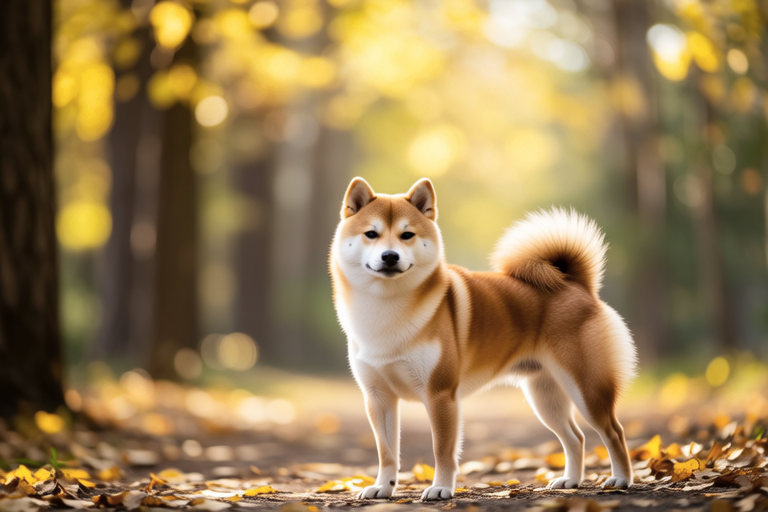
Shibas are part of the Spitz family, a group of dogs characterized by their thick double coats, pointed ears, and curled tails. Their coat comes in three colors: red, black and tan, and sesame (a mix of red and black). The undercoat is soft and dense, while the outer coat is coarse and straight. This combination provides excellent insulation against cold weather, making them well-suited for their native Japanese climate.
Shibas have a distinct facial structure, with a broad forehead, triangular eyes, and a slightly upturned nose. Their small, triangular ears give them an alert and curious expression, contributing to their fox-like appearance. These physical traits not only make them visually appealing but also serve practical purposes, such as enhancing their hearing and vision.
Intelligence Levels of the Shiba Inu
Shiba Inus are intelligent dogs, but their intelligence manifests differently compared to other breeds. They are quick learners and can grasp commands easily, especially when positive reinforcement is used. However, their independent nature means they can be stubborn at times, requiring patient and consistent training methods.
Shibas excel in problem-solving tasks and are known for their creativity in finding ways to escape or access restricted areas. This ingenuity can be both a blessing and a curse, as it requires owners to be vigilant and proactive in securing their homes.
Common Misconceptions About Shiba Inus
Despite their growing popularity, several misconceptions surround the Shiba Inu breed. One common myth is that they are aggressive or overly territorial. While Shibas can be protective of their territory, they are generally friendly and affectionate towards people. Their aloofness with strangers does not equate to aggression; rather, it is a sign of their natural caution and independence.
Another misconception is that Shibas are hypoallergenic. While they may produce less dander than some other breeds, they are not entirely hypoallergenic. People with allergies should spend time with a Shiba Inu before committing to ownership to ensure they can tolerate the breed.
Tips for Potential Owners
If you’re considering adding a Shiba Inu to your family, here are some essential tips to help you prepare:
Training and Socialization
Early socialization and training are crucial for Shibas. Enroll them in puppy classes where they can interact with other dogs and learn basic obedience commands. Positive reinforcement techniques, such as treats and praise, work best with Shibas. Avoid harsh punishment, as it can damage their trust and lead to behavioral issues.
Grooming
Shibas require regular grooming to maintain their coat’s health and appearance. Brush them weekly to remove loose hair and prevent matting. During shedding season, which typically occurs twice a year, daily brushing may be necessary. Additionally, pay attention to their nails, teeth, and ears to ensure overall hygiene.
Exercise and Play
Shibas are active dogs that need regular exercise to stay healthy and happy. Daily walks, play sessions in a secure area, and mental stimulation are essential. Agility training and puzzle toys can help keep their minds engaged and provide an outlet for their energy.
Health Considerations
Like all breeds, Shibas are prone to certain health issues. Common concerns include hip dysplasia, patellar luxation, and eye problems like progressive retinal atrophy. Regular veterinary check-ups and a balanced diet can help manage these conditions. Early detection and intervention are key to maintaining your Shiba’s well-being.
Conclusion
The Shiba Inu is a breed full of surprises, combining beauty, intelligence, and a unique personality. From their rich history to their distinctive behaviors, there’s always something new to learn about these captivating dogs. By understanding their needs and providing proper care, you can enjoy a rewarding and fulfilling relationship with your Shiba Inu. Whether you’re a seasoned dog owner or a first-time pet parent, the Shiba Inu offers a lifetime of companionship and joy.
