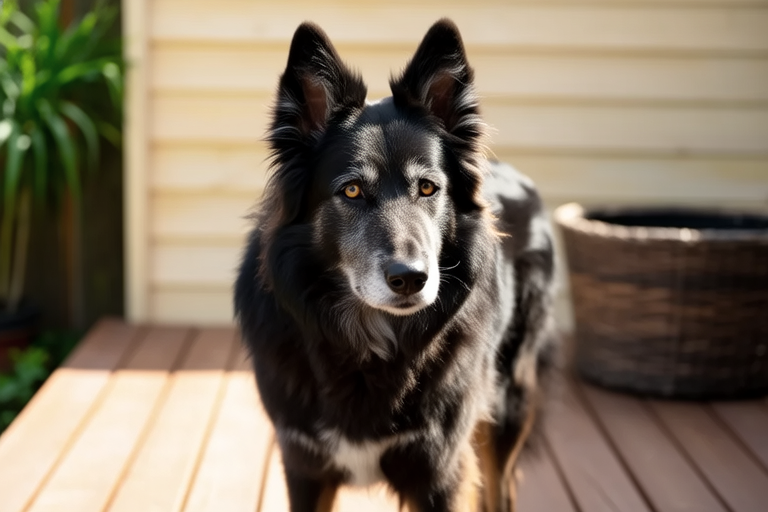
German Shepherd: The Ultimate Guide for First-Time Owners
Welcome to your comprehensive guide to owning a German Shepherd. This breed is renowned for its intelligence, loyalty, and versatility, making it a popular choice among pet lovers. However, they also require specific care and attention. In this guide, we will cover everything you need to know to ensure your German Shepherd lives a happy and healthy life.
Breed Overview
The German Shepherd is a large, strong dog with a regal appearance. Originally bred in Germany for herding sheep, they have since become one of the most versatile working dogs in the world. They excel in various roles, including police work, search and rescue, and as service animals. German Shepherds are known for their distinctive double coat, which can be either short or long, and their characteristic ‘saddleback’ coloration.
These dogs are highly intelligent, ranking among the top breeds in terms of trainability. Their keen sense of smell and problem-solving abilities make them excellent candidates for detection work and other specialized tasks. Despite their reputation as working dogs, German Shepherds also make wonderful family pets when properly socialized and trained.
Temperament
German Shepherds are loyal, protective, and devoted to their families. They form strong bonds with their owners and are typically very affectionate. However, due to their herding instincts, they may sometimes try to herd children or other pets by nipping at their heels. Early socialization is crucial to prevent such behavior.
While generally friendly towards people they know, German Shepherds can be wary of strangers. This wariness makes them excellent guard dogs, but it also means they require proper training to ensure they do not become overly aggressive. Regular exposure to different people, places, and situations from an early age can help your German Shepherd develop a well-rounded personality.
Exercise Needs
German Shepherds are energetic and athletic dogs that require plenty of physical activity. A daily walk of at least 30 minutes is recommended, along with additional playtime and mental stimulation. They thrive in environments where they can run, jump, and explore.
If possible, consider enrolling your German Shepherd in activities like agility training, flyball, or obedience classes. These activities not only provide physical exercise but also mental challenges that keep your dog engaged and stimulated. Remember that a tired German Shepherd is often a well-behaved one!
Dietary Requirements
German Shepherds are prone to certain health issues, so it’s important to feed them a balanced diet rich in nutrients. High-quality commercial dog foods formulated for large breeds are usually sufficient. Look for products that contain real meat as the primary ingredient and avoid those with fillers or artificial preservatives.
In addition to regular meals, you can offer your German Shepherd occasional treats. Choose healthy options like small pieces of cooked chicken or vegetables instead of processed snacks. Always monitor your dog’s weight and adjust feeding amounts accordingly to prevent obesity, which can lead to joint problems later in life.
Grooming Tips
German Shepherds have a thick double coat that sheds year-round, particularly during seasonal changes. Regular brushing helps remove loose hair and prevents matting. Aim to brush your dog at least twice a week, increasing frequency during heavy shedding periods.
Bathing should be done every few months or as needed, using a gentle dog shampoo. Be sure to thoroughly rinse out all soap residue, as any left behind can irritate your dog’s skin. Pay special attention to areas prone to tangles, such as behind the ears and around the tail.
Training Techniques
Early training is essential for German Shepherds to develop good manners and behaviors. Start training sessions when your puppy is young, ideally between eight weeks and four months old. Use positive reinforcement methods, rewarding desired behaviors with praise, treats, or toys.
Consistency is key when training your German Shepherd. Establish clear rules and expectations from the beginning, and stick to them consistently. Avoid harsh punishments; instead, focus on redirecting unwanted behaviors and reinforcing desirable ones. Patience and persistence will pay off as you build a strong bond with your dog through training.
Health Concerns
Like all breeds, German Shepherds are susceptible to certain genetic conditions. Hip dysplasia is one of the most common issues, affecting many large-breed dogs. Regular veterinary checkups and maintaining a healthy weight can help reduce the risk of developing this condition.
Osteoarthritis is another concern for older German Shepherds. Symptoms include stiffness, difficulty moving, and reluctance to exercise. Your veterinarian may recommend joint supplements or prescribe medications to manage pain and inflammation. Additionally, providing soft bedding and easy access to food and water can improve your dog’s comfort.
Advice for New Owners
Raising a German Shepherd requires commitment and dedication. Before bringing one home, ensure you have enough time, space, and resources to meet their needs. Consider enlisting the help of professional trainers if necessary, especially if you’re dealing with behavioral issues or want to participate in competitive events.
Finally, remember that each dog is unique. While this guide provides general information about German Shepherds, your individual pet may have different preferences and requirements. Spend quality time getting to know your dog, and tailor your approach accordingly. With love, patience, and proper care, you’ll enjoy many years of companionship with your loyal friend.
