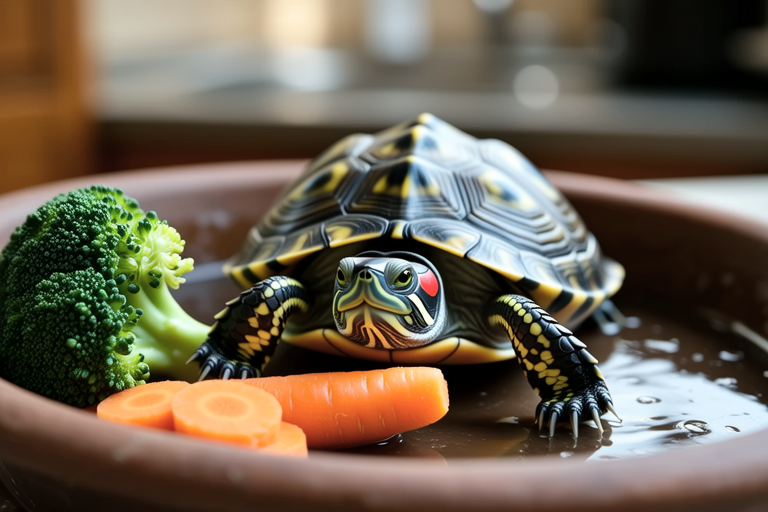
Secrets to Feeding Your Red-Eared Slider for Optimal Health!
Welcome, fellow turtle enthusiasts! If you’re here, it’s likely because you want to provide the best care for your red-eared slider (Trachemys scripta elegans). Feeding your turtle properly is one of the most important aspects of their care, as it directly impacts their overall health and well-being. In this article, we’ll explore the secrets to feeding your red-eared slider for optimal health, covering everything from essential dietary needs and portion sizes to common feeding mistakes to avoid.
Understanding the Dietary Needs of Red-Eared Sliders
Red-eared sliders are omnivores, which means they eat both plant matter and animal-based foods. Their nutritional requirements change as they grow from hatchlings to adults. Knowing what to feed your turtle at each stage of its life is crucial for ensuring they receive the right balance of nutrients.
Dietary Needs for Hatchlings and Juveniles
Hatchlings and juveniles require a diet that is high in protein to support their rapid growth. Protein-rich foods like pellets, earthworms, crickets, and small fish should make up around 50% of their diet. The other 50% should consist of vegetables such as collard greens, mustard greens, and dandelion leaves. As they grow, gradually decrease the proportion of protein in their diet.
Dietary Needs for Adults
Adult red-eared sliders need a more balanced diet with a lower protein content. A good rule of thumb is to feed them a mix of 70% vegetables and 30% protein. This can include leafy greens, squash, carrots, and occasional treats like mealworms or cooked chicken. It’s important to remember that turtles’ appetites vary throughout the year, so adjust feeding amounts accordingly.
Portion Sizes and Frequency of Feeding
Overfeeding can lead to obesity and other health issues, while underfeeding can result in malnutrition. So, how much and how often should you feed your red-eared slider?
Feeding Frequency
Hatchlings and juveniles should be fed daily, whereas adults can be fed every two to three days. Adjust the feeding schedule based on your turtle’s activity level and body condition. Always observe your turtle’s behavior and appearance to ensure they are receiving the right amount of food.
Portion Sizes
The recommended portion size for red-eared sliders is approximately 10% of their body weight per week. For example, if your turtle weighs 1 kg, they should consume about 100 grams of food per week. Divide this amount by the number of feedings per week to determine the appropriate serving size for each meal.
Types of Food: Vegetables and Protein Sources
When selecting food for your red-eared slider, variety is key. Providing a diverse range of vegetables and protein sources ensures that your turtle receives all the necessary nutrients.
Vegetable Options
Leafy greens like collard greens, mustard greens, and dandelion leaves are excellent choices. Other suitable vegetables include squash, carrots, and bell peppers. Avoid iceberg lettuce, as it has little nutritional value and can cause digestive problems.
Protein Sources
High-quality commercial turtle pellets are a convenient option for providing protein. You can also offer live or frozen feeder insects, earthworms, crickets, and small fish. When feeding live prey, ensure that the animals are free from pesticides and other harmful substances.
Supplementation Requirements
To prevent nutrient deficiencies, it’s essential to provide your red-eared slider with appropriate supplements. Calcium and vitamin D3 are particularly important for shell development and bone health.
Calcium Supplementation
Offer calcium supplements specifically designed for reptiles. Sprinkle a small amount over their food or provide a cuttlebone in their enclosure for them to gnaw on. Be cautious not to over-supplement, as excessive calcium can lead to metabolic bone disease.
Vitamin D3 Supplementation
Red-eared sliders require vitamin D3 for calcium absorption. Provide UVB lighting in their habitat to facilitate the synthesis of vitamin D3. If your turtle does not have access to natural sunlight, consider adding a vitamin D3 supplement to their diet.
Common Feeding Mistakes to Avoid
Misunderstandings about proper nutrition can lead to health problems for your red-eared slider. Here are some common feeding mistakes to avoid:
Overfeeding
Feeding your turtle too much can cause obesity and other health issues. Always stick to the recommended portion sizes and feeding frequency.
Underfeeding
Failing to provide enough food can result in malnutrition and stunted growth. Monitor your turtle’s weight and appetite to ensure they are receiving adequate nutrition.
Feeding Inappropriate Foods
Avoid feeding your turtle bread, crackers, or other human foods. These items lack essential nutrients and can contribute to obesity and other health problems.
Tips for Maintaining a Balanced Diet
Maintaining a balanced diet for your red-eared slider requires attention to detail and consistency. Here are some tips to help you keep your turtle healthy:
Gradual Transition to Adult Diets
As your red-eared slider grows from a hatchling to an adult, gradually transition them to a more vegetable-heavy diet. Start by reducing the amount of protein-rich food and increasing the proportion of vegetables in their meals. This process may take several months, depending on the turtle’s age and size.
Importance of Hydration Through Food and Water Intake
Red-eared sliders obtain hydration from both their food and the water in which they swim. Ensure that your turtle has access to clean, fresh water at all times. Encourage them to drink by offering shallow dishes or waterfalls in their enclosure.
Monitoring Your Turtle’s Health Through Eating Habits
Your turtle’s eating habits can provide valuable insights into their overall health. A sudden loss of appetite or changes in stool color may indicate underlying health issues. Regularly observe your turtle’s behavior and consult a veterinarian if you notice any concerning signs.
Conclusion
Providing a balanced and nutritious diet is essential for keeping your red-eared slider healthy and happy. By understanding their dietary needs, portion sizes, and feeding frequency, you can ensure that your turtle receives the right balance of nutrients throughout their life. Remember to avoid common feeding mistakes and maintain a consistent routine to promote optimal health. With the right care and attention, your red-eared slider will thrive for years to come.
