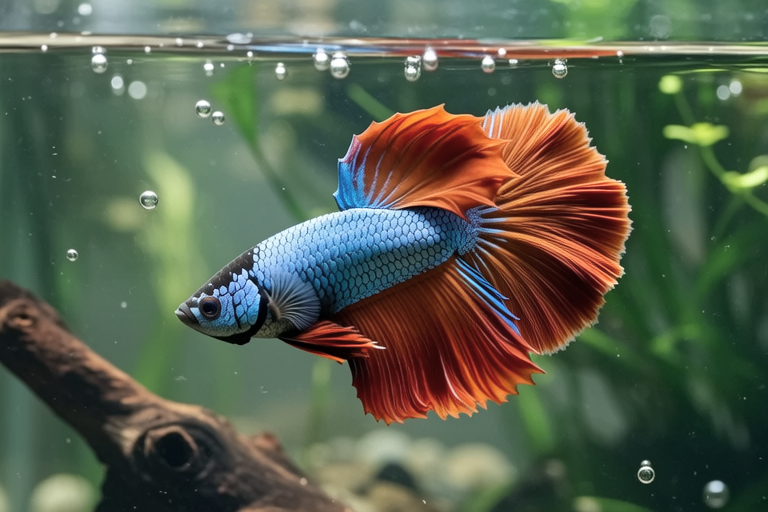
Betta Behavior Decoded: What Your Pet’s Actions Really Mean
Betta fish, also known as Siamese fighting fish, are a popular choice for aquarium enthusiasts due to their vibrant colors and unique personalities. These freshwater fish originate from Thailand and have been bred for centuries, showcasing a wide array of hues and tail shapes. Bettas are particularly appealing because they can thrive in smaller tanks compared to many other fish species, making them ideal for homes with limited space.
Understanding your betta’s behavior is crucial for providing optimal care and ensuring its well-being. This guide will help you decode the actions of your pet, offering insights into its mood, health, and environmental needs. By learning to interpret these behaviors, you’ll be better equipped to maintain a healthy and happy environment for your betta.
The Unique Characteristics of Betta Fish
Betta fish are known for their striking appearance and distinct behaviors. One of the most notable features is their elaborate fins, which can vary greatly in size and shape depending on the breed. Male bettas, especially, have large, flowing fins that they use during courtship displays and territorial battles. Their vibrant colors range from deep blues and reds to more subtle pastels, making them a visual delight for any home aquarium.
Another characteristic that sets bettas apart is their labyrinth organ, located near the gills. This organ allows them to breathe air directly from the surface, enabling them to survive in low-oxygen environments. This adaptation has made bettas resilient and adaptable pets, capable of thriving in various water conditions.
Common Behaviors and Their Significance
Fin Flicking
One of the first behaviors you might notice in your betta is fin flicking. This action, where the fish rapidly moves its fins, can signify several things. If your betta is flicking its fins frequently, it could indicate stress or discomfort. Common causes of stress include poor water quality, overcrowding, or aggressive tank mates. However, fin flicking can also be a sign of excitement or playfulness, especially when interacting with tank decorations or bubbles.
To determine if fin flicking is a cause for concern, monitor your betta’s overall behavior. If it’s paired with lethargy, loss of appetite, or unusual swimming patterns, it may be time to check the water parameters and adjust the tank environment accordingly. Ensuring clean, well-maintained water and a peaceful habitat can alleviate stress and encourage healthier behavior.
Bubbling at the Surface
Another common behavior is bubbling at the surface. Bettas often swim to the top of the tank and blow bubbles, creating a nest-like structure. This behavior is instinctual and typically occurs in males during breeding season. However, even non-breeding bettas may exhibit this behavior as a way to aerate the water or simply out of habit.
If your betta is frequently bubbling at the surface, it usually indicates that it’s feeling comfortable and secure in its environment. However, if the bubbling is excessive or accompanied by other signs of distress, it could point to underlying issues such as insufficient oxygen levels. To address this, consider adding an air stone or increasing water circulation to improve oxygenation. Regular water changes and monitoring water quality are also essential to prevent potential health problems.
Territorial Displays
Bettas are known for their territorial nature, and displaying aggressive behavior is a natural part of their social interactions. Male bettas, in particular, are highly territorial and may become defensive if they perceive a threat. This can manifest as chasing, flaring their gills, or even physical altercations with other fish. It’s important to note that bettas should not be housed with other male bettas, as they will almost certainly fight.
While territorial displays are normal, they can escalate into harmful aggression if left unchecked. Providing ample hiding spots and ensuring a spacious tank can help reduce stress and minimize the likelihood of conflict. Additionally, placing a divider between the tank and any mirrors or reflective surfaces can prevent your betta from mistaking its reflection for another fish.
Interpreting Behaviors for Optimal Care
Observing your betta’s behavior is key to understanding its needs and ensuring its well-being. Here are some tips for interpreting common behaviors:
- Monitor Feeding Habits: A healthy betta will eat eagerly but not excessively. If your betta shows little interest in food or overeats, it may be experiencing stress or health issues. Adjust feeding amounts and frequency to suit your betta’s appetite.
- Watch Swimming Patterns: Healthy bettas swim gracefully and confidently. Erratic swimming or staying near the bottom of the tank could indicate illness or discomfort. Check water parameters and consult a veterinarian if necessary.
- Observe Color Changes: Bettas naturally change color depending on their mood and surroundings. However, sudden or drastic changes, particularly if accompanied by dullness or discoloration, could signal health problems.
By closely observing these behaviors and adjusting care accordingly, you can create a nurturing environment that supports your betta’s physical and emotional needs.
Maintaining a Healthy Environment
To keep your betta healthy and happy, it’s essential to maintain a suitable living environment. Here are some tips based on understanding your betta’s behaviors:
- Water Quality: Clean, well-filtered water is vital for betta health. Regular water changes (about 25% weekly) and monitoring pH, temperature, and ammonia levels can prevent common illnesses.
- Temperature Control: Bettas prefer warm water around 78-80°F (25-27°C). Use a heater to maintain consistent temperatures, avoiding extreme fluctuations that can stress your fish.
- Decorative Elements: Provide hiding spots and open spaces to reduce stress and promote exploration. Floating plants and caves are excellent choices for creating a stimulating environment.
Understanding and responding to your betta’s behaviors can significantly enhance its quality of life. By creating a balanced and enriching environment, you’ll foster a strong bond with your pet and ensure its long-term health and happiness.
