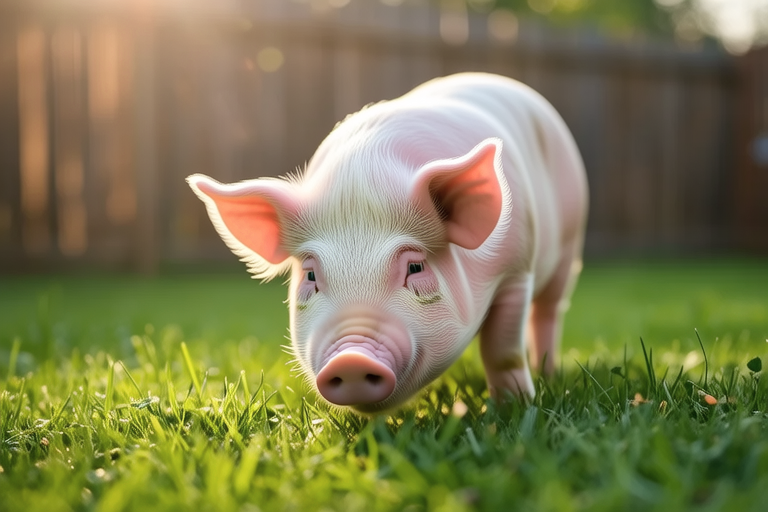
Mini Pigs Unleashed: Debunking Myths and Sharing Realities
Welcome to the world of mini pigs! These adorable creatures have seen a surge in popularity as pets in recent years. Their small size, unique personalities, and the promise of companionship have made them a favorite among pet enthusiasts. However, like any other pet, mini pigs come with their own set of challenges and misconceptions. In this article, we will explore the truth behind some of the most common myths surrounding mini pigs, delve into the realities of owning one, and provide you with all the necessary information to make an informed decision.
The Growing Popularity of Mini Pigs
Mini pigs have become increasingly popular as pets over the past decade. Their compact size makes them ideal for apartment living, and their intelligence and social nature make them great companions. However, it’s important to note that while they may be called “mini,” they can still grow quite large, especially if not properly cared for. Understanding the true nature of these animals is crucial before deciding to bring one into your home.
Debunking Common Myths About Mini Pigs
Myth 1: Mini Pigs Stay Small
One of the most pervasive myths about mini pigs is that they remain tiny throughout their lives. Many people believe that mini pigs, like teacup dogs, will stay small enough to fit in a purse or carry around easily. This couldn’t be further from the truth. While some mini pig breeds may reach weights of around 50 pounds, others can grow to be much larger, often reaching up to 150 pounds or more.
To illustrate this point, consider the story of Sarah, who adopted a mini pig named Charlie. She was told that Charlie would stay under 50 pounds, but he ended up weighing over 100 pounds. Sarah had to rearrange her living space to accommodate Charlie’s larger size, including installing ramps and widening doorways. This experience highlights the importance of understanding the potential size of your mini pig before bringing them home.
Myth 2: Mini Pigs Have Short Lifespans
Another common misconception is that mini pigs have short lifespans. While it’s true that many smaller animals tend to live shorter lives, mini pigs actually have relatively long lifespans when compared to other domesticated animals. On average, mini pigs can live between 12 and 20 years, sometimes even longer.
Take the example of John and his mini pig, Daisy. Daisy lived for 18 years, providing John with a lifetime of companionship. Proper nutrition, regular veterinary care, and a loving environment are key factors in ensuring a mini pig’s longevity.
Myth 3: Mini Pigs Are Easy to Care For
While mini pigs can be delightful pets, they require significant attention and care. They need a balanced diet, regular exercise, and mental stimulation to thrive. Failing to meet these needs can lead to health issues such as obesity, diabetes, and behavioral problems.
Lisa, who owns two mini pigs, shares her experience. “I thought mini pigs were low-maintenance pets, but I quickly realized how much time and effort they require. Regular grooming, daily walks, and a carefully monitored diet are just a few of the responsibilities.”
Realities of Owning a Mini Pig
Care Requirements
Owning a mini pig involves more than just feeding and petting them. They need a well-balanced diet rich in fiber and low in sugar. Fresh vegetables and fruits, along with a high-quality pig feed, should form the bulk of their diet. Avoid feeding them processed human foods, as these can cause health problems.
In terms of space, mini pigs need ample room to move around and play. A spacious backyard or a dedicated indoor area with soft bedding is essential. Providing toys and puzzles can also help keep them mentally stimulated.
Dietary Needs
Proper nutrition is vital for the health and happiness of your mini pig. Consult with a veterinarian specializing in exotic animals to develop a diet plan tailored to your pig’s specific needs. Remember, overfeeding can lead to obesity, which can shorten their lifespan and increase the risk of diseases.
Space Requirements
Despite their name, mini pigs require more space than many people expect. They need a secure outdoor area where they can run, play, and explore. An indoor space with comfortable bedding and toys is also recommended. Make sure their living area is free from hazards and provides plenty of opportunities for physical activity.
