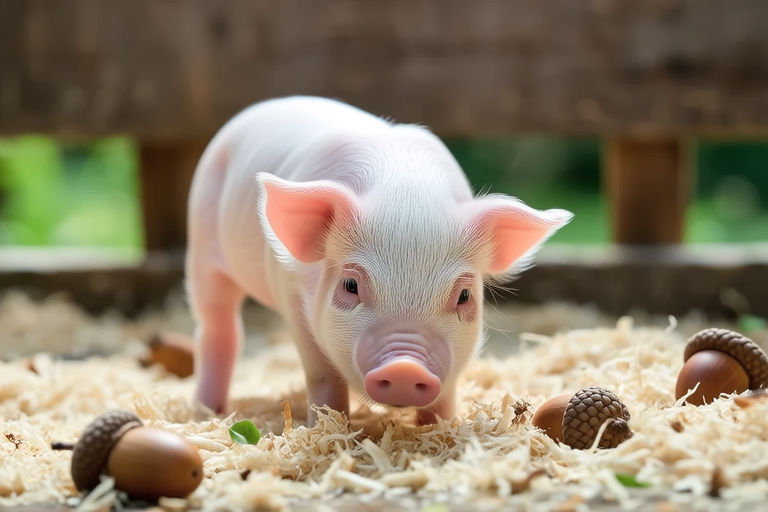
Exploring the Unique Behaviors and Secret Lives of Mini Pigs
Mini pigs have captured the hearts of many pet enthusiasts with their charming appearance and seemingly docile nature. However, these animals are far more complex than they may appear at first glance. This article delves into the intricate world of mini pigs, examining their social structures, communication methods, intelligence levels, dietary habits, exercise needs, and their interactions with humans. We will also address common misconceptions about mini pigs and provide valuable insights into their emotional intelligence and adaptability as pets.
Social Structures
Mini pigs are highly social creatures that thrive in the company of others, whether it be their own kind or human companions. In the wild, they live in groups known as sounders, which can consist of several females and their offspring. Within these groups, there is a clear hierarchy, with dominant individuals taking the lead in decision-making processes such as where to forage for food or when to rest. Domesticated mini pigs also exhibit similar social behaviors, often forming strong bonds with their human families and other pets.
It is important for potential owners to understand the importance of providing social interaction for their mini pig. Without adequate companionship, these animals may become bored or depressed, leading to behavioral issues such as excessive chewing or digging. To ensure your mini pig remains happy and healthy, consider adopting another mini pig or providing plenty of opportunities for interaction with family members.
Communication Methods
Mini pigs communicate through a variety of vocalizations and body language. They use grunts, squeals, and snorts to express emotions ranging from excitement to distress. For example, a low-pitched grunt might indicate contentment, while a high-pitched squeal could signal fear or pain. Additionally, mini pigs use their tails as a form of non-verbal communication, with a relaxed tail indicating calmness and an erect tail suggesting alertness.
Understanding your mini pig’s communication cues is essential for building a strong bond and ensuring its well-being. By paying attention to these signals, you can better anticipate your pig’s needs and respond appropriately. For instance, if your mini pig is exhibiting signs of stress, such as pacing or frequent tail flicking, it may be time to offer reassurance or provide a quiet space for relaxation.
Intelligence Levels
Mini pigs are among the most intelligent animals, rivaling dogs and primates in cognitive ability. They possess excellent problem-solving skills and can learn new commands quickly through positive reinforcement training techniques like clicker training. Their curiosity drives them to explore their surroundings, and they enjoy engaging in mentally stimulating activities.
To keep your mini pig mentally sharp, incorporate puzzle feeders or toys designed to encourage exploration and manipulation. These items challenge their minds while preventing boredom, which can lead to destructive behaviors. Additionally, consider teaching your mini pig simple tricks or commands, rewarding correct responses with treats or praise. This not only strengthens the bond between you and your pet but also provides mental stimulation.
Dietary Habits
Proper nutrition is crucial for maintaining optimal health in mini pigs. Despite their small size, these animals require a balanced diet rich in vitamins, minerals, and fiber. A typical mini pig diet consists of commercial pig pellets, fresh vegetables, fruits, and limited amounts of grains. It is vital to consult with a veterinarian or animal nutritionist to determine the appropriate portion sizes based on age, weight, and activity level.
Avoid feeding mini pigs foods high in sugar or fat, as these can contribute to obesity and other health problems. Instead, focus on offering nutrient-dense options that promote digestive health and support overall well-being. Furthermore, always provide access to clean water and monitor consumption patterns to detect any potential issues early.
Exercise Needs
Regular physical activity is necessary for maintaining good health in mini pigs. Although they are relatively inactive compared to larger breeds, mini pigs still benefit from daily exercise sessions lasting approximately 30 minutes. Suitable activities include walking on leashes, playing fetch, or exploring safe outdoor environments under supervision.
Creating an enriching play area within your home can further enhance your mini pig’s physical fitness. Incorporate tunnels, ramps, and other obstacles that encourage movement and exploration. Remember to supervise all activities closely to prevent accidents or injuries. Regular exercise helps maintain a healthy weight, reduces the risk of joint problems, and promotes better sleep patterns.
Interaction with Humans
Mini pigs form deep attachments with their human caregivers, often displaying affection through gentle nuzzles or resting their heads on laps. They enjoy spending time outdoors with their owners, participating in walks or picnics in the park. However, it is essential to establish boundaries early on to avoid unwanted behavior such as nudging or biting.
Training mini pigs requires patience and consistency, utilizing positive reinforcement methods like clicker training. By rewarding desired actions with treats or verbal praise, you can shape your pig’s behavior positively over time. Establishing clear rules and expectations from the beginning ensures a harmonious relationship built on mutual respect.
Common Misconceptions About Mini Pigs
One prevalent myth surrounding mini pigs is that they remain tiny throughout adulthood. In reality, even miniature breeds can grow up to 75 pounds, depending on genetics and environmental factors. Another misconception is that mini pigs require minimal care due to their small size; however, proper maintenance involves regular grooming, nail trimming, and veterinary checkups.
Additionally, some people believe that keeping multiple mini pigs together guarantees happiness and companionship. While socialization is important, overcrowding can lead to competition for resources and territorial disputes. Providing ample space and ensuring each pig has access to personal areas prevents conflicts.
Emotional Intelligence and Adaptability
Mini pigs demonstrate remarkable emotional intelligence, capable of recognizing individual human faces and responding accordingly. They show empathy towards distressed companions and exhibit protective behaviors when sensing danger. Their adaptability allows them to adjust to various living situations, making them suitable candidates for apartment living provided sufficient space and stimulation are available.
Caring for a mini pig demands commitment and understanding of their unique needs. By fostering a nurturing environment enriched with mental challenges and physical outlets, owners can help their pets reach their full potential. Understanding their emotional depth enables caregivers to build lasting connections based on trust and mutual respect.
Tips for Potential Owners
Before bringing a mini pig into your household, thoroughly research local regulations regarding ownership. Some regions impose restrictions on exotic pets, requiring permits or limiting the number allowed per property. Familiarize yourself with these guidelines to avoid legal complications later.
Prepare adequately by setting aside funds for initial expenses including vaccinations, spaying/neutering, microchipping, and purchasing necessary supplies. Research breed-specific traits to anticipate future challenges related to growth rate, temperament, and health concerns. Lastly, commit to ongoing education about proper care practices throughout your pig’s lifespan.
In conclusion, mini pigs offer unparalleled companionship for those willing to invest time and effort into understanding their unique characteristics. By embracing their complexity and meeting their specific requirements, owners can create fulfilling relationships rooted in mutual respect and affection.
