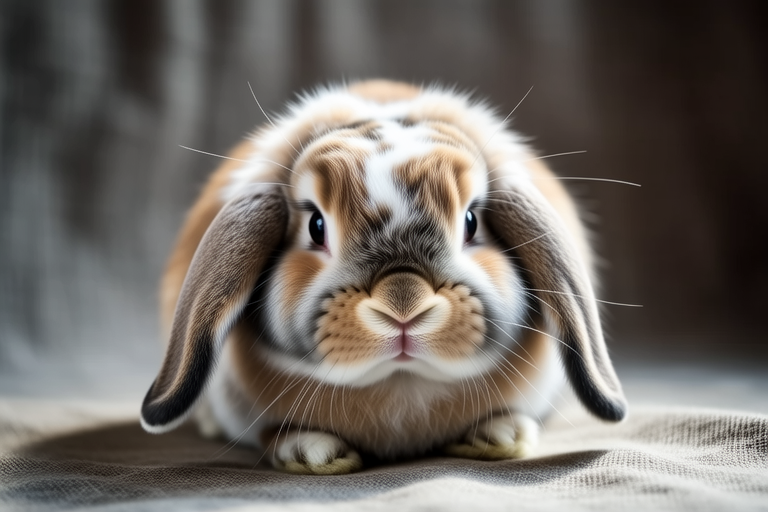
Meet the Fluffy Star: All About Lop Rabbits
Welcome to the world of lop rabbits, the fluffy stars of the rabbit kingdom! These gentle and affectionate creatures are known for their distinctive floppy ears, which give them a unique and endearing appearance. In this article, we’ll explore the different breeds of lop rabbits, their care requirements, and why they make such wonderful pets.
The Unique Characteristics of Lop Rabbits
Lop rabbits are one of the most popular breeds of domestic rabbits due to their charming appearance and friendly nature. Their most striking feature is their long, floppy ears that can measure up to 24 inches in length. These ears are not just decorative; they serve a functional purpose by helping the rabbit regulate its body temperature.
Besides their signature ears, lop rabbits are known for their gentle and calm demeanor. They are generally easy to handle and are often described as having a laid-back personality. This makes them ideal pets for families with children or those who are looking for a companion animal that is both affectionate and easy-going.
Varieties of Lop Rabbits
There are several different breeds of lop rabbits, each with its own unique characteristics. Some of the most popular breeds include:
- English Lops: The largest breed of lop rabbits, English Lops are known for their exceptionally long ears that can reach lengths of up to 24 inches. They have a robust build and are typically white or black.
- French Lops: A crossbreed between English Lops and domestic meat rabbits, French Lops are medium-sized rabbits with shorter ears than their English counterparts. They are muscular and have a more compact build.
- Dwarf Lops: The smallest breed of lop rabbits, Dwarf Lops come in a variety of colors and are known for their playful and energetic personalities. They are ideal for those who want a smaller, more manageable pet.
Care Requirements for Lop Rabbits
Owning a lop rabbit comes with certain responsibilities, but with proper care, these animals can live happy and healthy lives. Below are some key care requirements for lop rabbits:
Diet
Like all rabbits, lop rabbits require a balanced diet that includes hay, fresh vegetables, and a small amount of pellets. Timothy hay is particularly important as it aids in digestion and keeps teeth worn down. Fresh water should always be available, and occasional treats like carrots or apples can be given in moderation.
Housing
Adequate housing is crucial for the well-being of your lop rabbit. They need a spacious cage that allows them to move around freely and stretch their legs. The cage should be lined with bedding material such as straw or shredded paper, and kept clean to prevent the buildup of bacteria.
While rabbits can spend time outdoors, it’s important to ensure that their enclosure is secure and protected from predators. Additionally, rabbits should never be left in direct sunlight for extended periods as they can easily overheat.
Grooming
Lop rabbits have thick, soft fur that requires regular grooming to prevent matting and keep them clean. Brushing your rabbit at least once a week is recommended, and more frequently during shedding season. Pay special attention to their ears, which can accumulate dirt and debris.
Exercise
Rabbits are active animals that require daily exercise to maintain their physical and mental health. Providing your lop rabbit with a safe area to run and play in will help them stay fit and entertained. This could be a designated play area in your home or a fenced-in outdoor space.
Tips for Choosing the Right Lop Rabbit
When selecting a lop rabbit, there are several factors to consider. First and foremost, think about the size of the rabbit that best fits your living situation. If you live in a small apartment, a Dwarf Lop might be a better choice than an English Lop.
Additionally, consider the temperament of the rabbit. While all lop rabbits tend to be gentle, individual personalities can vary. Spend time with the rabbit before making a decision to ensure that its temperament aligns with your family’s lifestyle.
Finally, research the specific needs of the breed you’re interested in. Each breed has its own unique care requirements, so it’s important to choose a breed that you’re willing and able to care for properly.
Maintaining the Health of Your Lop Rabbit
Regular veterinary check-ups are essential for keeping your lop rabbit healthy. Rabbits are prone to certain health issues, such as dental problems and gastrointestinal disorders, so it’s important to catch any potential issues early.
In addition to veterinary care, there are several steps you can take to promote the overall health of your lop rabbit. Providing a balanced diet, ensuring adequate exercise, and maintaining a clean living environment are all key factors in preventing illness.
The Joys of Owning a Lop Rabbit
For many people, owning a lop rabbit brings immense joy and satisfaction. These animals are not only cute and cuddly but also provide companionship and entertainment. Watching your lop rabbit hop around and interact with its surroundings can bring a smile to your face.
Furthermore, lop rabbits can form strong bonds with their owners. Many rabbits enjoy being petted and handled, and some even learn to respond to their names. The bond between a lop rabbit and its owner can be incredibly rewarding.
However, it’s important to remember that owning a pet is a serious commitment. Lop rabbits have a lifespan of approximately 8-12 years, so you must be prepared to provide them with love and care for many years to come.
In conclusion, lop rabbits are delightful and unique pets that offer companionship, entertainment, and joy. With their distinctive floppy ears and gentle nature, they make wonderful additions to any family. By providing proper care and attention, you can ensure that your lop rabbit lives a happy and healthy life.
