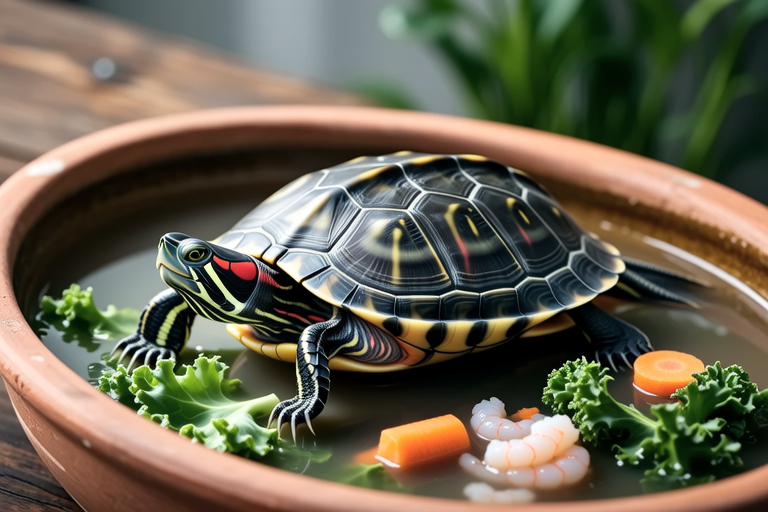
How to Choose the Perfect Diet for Your Thriving Red-Eared Slider
Red-eared sliders (Trachemys scripta elegans) are one of the most popular aquatic turtles kept as pets. Their vibrant colors, playful nature, and relatively low maintenance make them an ideal choice for turtle enthusiasts. However, providing a balanced diet is crucial for their overall health and longevity. This article will guide you through the process of choosing the perfect diet for your red-eared slider, covering nutritional needs, recommended foods, portion sizes, feeding frequency, common dietary mistakes, the importance of calcium and vitamin D3, potential food hazards, and tips for transitioning to new diets.
Nutritional Needs of Red-Eared Sliders
Red-eared sliders are omnivorous, meaning they eat both plant and animal matter. Their diet should be balanced to meet their specific nutritional requirements, which include proteins, fats, carbohydrates, vitamins, and minerals. Younger turtles require more protein for growth, while adult turtles need more fiber-rich vegetables to maintain their weight.
Recommended Foods
The following foods are excellent choices for red-eared sliders:
- Commercial Pellets: High-quality commercial pellets designed specifically for aquatic turtles provide a balanced mix of nutrients. Look for pellets that contain high levels of protein and fiber.
- Leafy Greens: Dark leafy greens such as romaine lettuce, dandelion greens, collard greens, and mustard greens are rich in vitamins and minerals. Avoid iceberg lettuce as it has little nutritional value.
- Fruits: Occasional treats like strawberries, blueberries, and melons can be offered but should not constitute a significant portion of their diet due to their high sugar content.
- Protein Sources: Protein sources include earthworms, crickets, mealworms, and small pieces of lean meat or fish. Ensure these are gut-loaded (fed a nutritious diet) before offering them to your turtle.
Portion Sizes and Feeding Frequency
Young turtles should be fed daily, while adults can be fed every other day. Portion sizes should be appropriate for the size of the turtle. A good rule of thumb is to offer food that is approximately equal to the size of the turtle’s head. Overfeeding can lead to obesity and other health issues, so it’s essential to monitor portion sizes carefully.
Common Dietary Mistakes
Some common mistakes pet owners make when feeding red-eared sliders include:
- Feeding too much protein: Excessive protein can cause shell deformities and kidney problems.
- Ignoring calcium and vitamin D3: Lack of these nutrients can result in metabolic bone disease.
- Offering inappropriate foods: Feeding processed human foods, bread, or junk food can harm your turtle’s health.
The Importance of Calcium and Vitamin D3
Calcium and vitamin D3 are critical for maintaining strong bones and shells. Insufficient calcium can lead to metabolic bone disease, characterized by soft shells and weakened bones. To ensure adequate intake, supplement your turtle’s diet with calcium powder and provide UVB lighting to aid in the synthesis of vitamin D3.
Potential Food Hazards
Several foods can be harmful to red-eared sliders:
- Avocados: Contain persin, which is toxic to many animals, including turtles.
- Onions and Garlic: Can cause hemolytic anemia.
- Raw Meat: May contain harmful bacteria or parasites.
- Processed Human Foods: Often lack the necessary nutrients and can be harmful due to additives.
Tips for Transitioning to New Diets
When introducing new foods to your turtle’s diet, follow these steps:
- Start by mixing a small amount of the new food with the old food.
- Gradually increase the proportion of the new food over several days.
- Monitor your turtle’s response to the new food. If they show signs of discomfort or refuse to eat, discontinue the new food.
- Ensure all new foods are properly prepared and safe for consumption.
Actionable Advice for Optimal Health
To ensure your red-eared slider thrives, consider the following actionable advice:
- Regular Vet Check-Ups: Schedule regular check-ups with a veterinarian experienced in reptile care.
- Proper Housing: Provide a suitable habitat with ample space, clean water, and appropriate temperature gradients.
- Hydration: Ensure your turtle has access to clean, fresh water at all times.
- Environmental Enrichment: Offer enrichment activities to stimulate mental and physical activity.
In conclusion, providing a balanced and nutritious diet is essential for the health and well-being of your red-eared slider. By understanding their nutritional needs, offering appropriate foods, monitoring portion sizes and feeding frequency, avoiding common dietary mistakes, ensuring adequate calcium and vitamin D3 intake, and being aware of potential food hazards, you can help your turtle live a long and healthy life. With proper care and attention, your red-eared slider will thrive in its new home.
