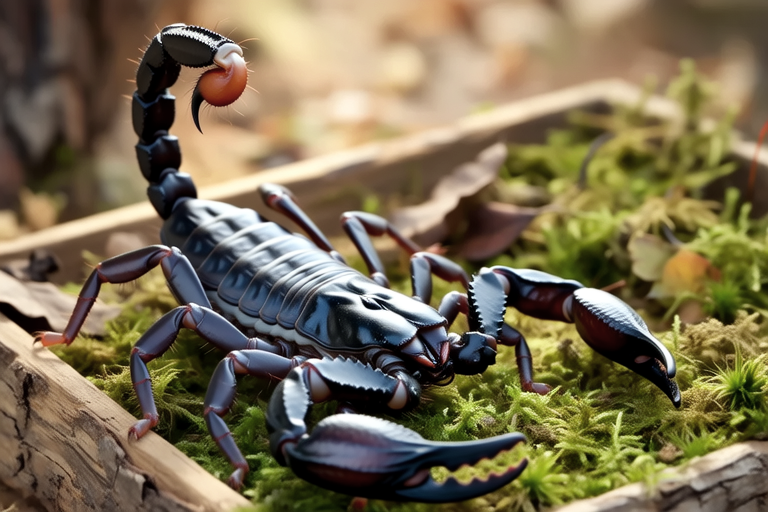
Pet Care 101: How to Successfully House the Heterometrus Spinifer
The Heterometrus spinifer, commonly known as the Asian forest scorpion, is a fascinating arachnid that has gained popularity among exotic pet enthusiasts. Originating from Southeast Asia, this species is characterized by its robust appearance and impressive size, making it a unique addition to any reptile collection. This guide will provide you with all the necessary information to care for your Heterometrus spinifer, ensuring a healthy and happy pet.
Introduction to the Species
The Heterometrus spinifer belongs to the family Scorpionidae and is native to countries such as Thailand, Malaysia, and Indonesia. These scorpions are terrestrial and prefer humid, tropical environments. They are nocturnal creatures, spending most of their day hidden under logs or rocks, emerging at night to hunt for food. Their diet consists mainly of insects, but they can also consume small vertebrates if given the opportunity.
One of the reasons the Heterometrus spinifer makes such an interesting pet is its relatively docile nature compared to other scorpion species. While they can be defensive when threatened, they rarely attack unless provoked. Their size and striking appearance also make them visually appealing, adding an exotic touch to any terrarium setup.
Natural Habitat
In the wild, Heterometrus spinifer inhabit dense forests and bamboo thickets where they find plenty of hiding spots and prey. The humidity levels in these areas range from 70% to 90%, and temperatures typically hover around 80°F (27°C). Understanding these conditions is crucial for replicating a suitable environment in captivity.
Housing Requirements
Enclosure Size
Adequate space is essential for the well-being of your Heterometrus spinifer. A minimum enclosure size of 18 inches long, 12 inches wide, and 12 inches high is recommended. Larger enclosures are preferable as they allow more room for exploration and climbing activities.
Substrate
The substrate should mimic the natural ground cover found in their native habitat. Coconut fiber or bark chips work well, providing a moist environment that helps maintain the required humidity levels. Avoid using substrates that retain too much moisture, as this can lead to mold growth.
Temperature and Humidity
Maintaining appropriate temperature and humidity levels is vital for the health of your scorpion. Use a digital thermometer and hygrometer to monitor these conditions regularly. Aim for a daytime temperature between 75°F and 85°F (24°C to 29°C), dropping slightly to 70°F (21°C) at night. Humidity should be kept between 75% and 90%, achieved through regular misting and possibly a water dish.
Lighting
While Heterometrus spinifer do not require UVB lighting, providing a low-level ambient light source can help simulate day and night cycles. Ensure the light does not produce excessive heat, which could raise the enclosure temperature beyond safe limits.
Diet and Feeding Schedules
Your Heterometrus spinifer’s diet should consist primarily of live insects such as crickets, mealworms, and dubia roaches. Feed adult scorpions once every two weeks, adjusting the frequency based on their appetite and body condition. Juveniles may need more frequent feedings, up to twice weekly. Always offer appropriately sized prey; oversized food items can cause digestive issues.
Supplemental calcium and vitamin D3 powders can be dusted onto feeder insects to ensure proper nutrition. This is especially important during periods of rapid growth or breeding.
Handling and Safety Precautions
When handling your Heterometrus spinifer, always use caution. Wear gloves to protect yourself from potential stings, though these scorpions generally avoid confrontation. Never grab the scorpion directly; instead, gently coax it into a container or onto a thick glove before transferring it to another location.
Ensure the enclosure remains secure at all times to prevent escapes. Regularly inspect the cage for signs of wear or damage that could compromise its integrity.
Common Health Issues
Watch out for common health problems like mite infestations, respiratory infections, and improper shedding. Early detection and prompt treatment are key to preventing more serious complications. If you notice unusual behavior or physical changes, consult a veterinarian specializing in exotic pets immediately.
Tips for Enrichment and Social Interaction
To keep your Heterometrus spinifer engaged and stimulated, incorporate various elements into its enclosure. Add climbing structures made from cork bark or driftwood branches. Providing multiple hide spots encourages natural behaviors and reduces stress. Although scorpions are solitary animals, observing them interact with their environment can be both educational and entertaining.
In conclusion, caring for a Heterometrus spinifer requires dedication and attention to detail. By understanding their specific needs and creating a suitable habitat, you can enjoy the company of this remarkable creature while ensuring its longevity and well-being. Whether you’re new to exotic pets or have experience with similar species, following these guidelines will set you on the path to successful pet ownership.
