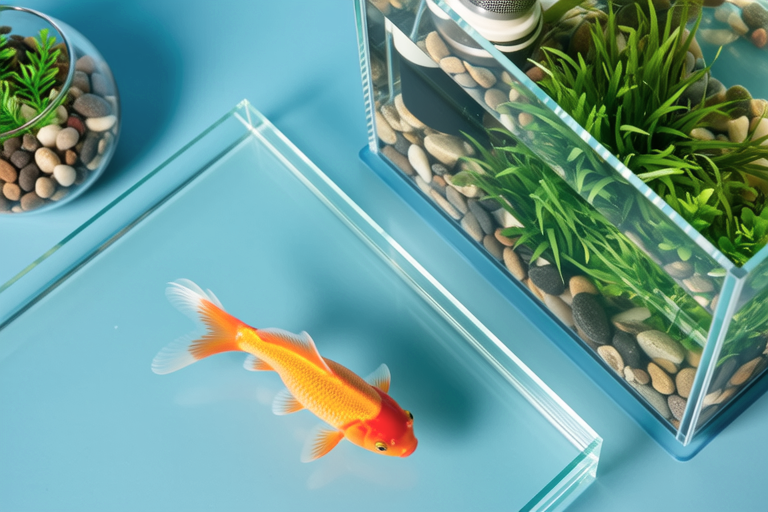
From Bowl to Tank: Transitioning Your Goldfish for a Happier Home
Goldfish are one of the most popular pets among beginners due to their vibrant colors and relatively low maintenance. However, there is a common misconception that these fish thrive in small glass bowls. While they may seem charming in tiny enclosures, goldfish require more spacious and properly equipped environments to ensure their health and longevity. This article will guide you through the transition from bowl to tank, highlighting the benefits of a larger habitat and providing detailed steps for setting up an ideal tank environment.
The Myth of Bowls: Why Tanks Are Better for Goldfish
One of the most prevalent myths surrounding goldfish is that they can be comfortably housed in small bowls. This misconception often stems from the fact that many pet stores sell goldfish in such containers. However, this setup is far from ideal and can lead to serious health issues for the fish.
Firstly, goldfish are much larger than most people realize. They grow to lengths of around 10-12 inches (25-30 cm) when provided with adequate space. In a bowl, they are confined to cramped quarters that limit their movement and growth. Secondly, bowls lack proper filtration systems, which are crucial for maintaining clean water and removing harmful waste products. Without filtration, ammonia and other toxins can accumulate, leading to stress and disease for the fish.
Oxygen levels are another critical factor. Goldfish require ample oxygen to thrive, and bowls do not provide enough surface area for sufficient gas exchange. In a tank, especially those with aeration or water movement, oxygen levels are better maintained, promoting healthier respiration.
Setting Up the Ideal Tank Environment
Choosing the Right Size
The first step in transitioning your goldfish from a bowl to a tank is selecting an appropriately sized enclosure. As mentioned earlier, goldfish need plenty of room to swim freely. A general rule of thumb is to provide at least 20 gallons (76 liters) of water per goldfish. This ensures that they have enough space to move around and grow without feeling cramped.
For example, if you have two goldfish, aim for a 40-gallon (151-liter) tank. Larger tanks also offer better stability in terms of water parameters, making it easier to maintain a healthy environment.
Filtration Systems
A reliable filtration system is essential for any aquarium, but particularly so for goldfish. These fish produce a significant amount of waste, and without proper filtration, the water can quickly become toxic. There are several types of filters available, each with its own advantages:
- Hang-on-back (HOB) Filters: These filters hang on the back of the tank and are excellent for biological, mechanical, and chemical filtration. They are easy to install and maintain.
- Canister Filters: These filters are placed outside the tank and provide powerful filtration. They are ideal for large tanks and those with multiple fish.
- In-tank Filters: These filters are placed directly inside the tank and offer good biological filtration. They are less powerful than HOB or canister filters but still effective for smaller setups.
Regardless of the type of filter you choose, ensure it provides adequate flow rates and has media for biological filtration. Biological filtration helps break down harmful ammonia into less toxic substances like nitrite and nitrate.
Temperature Control
Goldfish are coldwater fish and prefer temperatures between 68°F and 74°F (20°C and 23°C). Maintaining a stable temperature is crucial for their health. Fluctuations can stress the fish and weaken their immune systems, making them more susceptible to diseases.
If you live in a climate where the ambient temperature might affect the water, consider investing in a heater and a thermometer. The heater will help keep the water warm during colder months, while the thermometer allows you to monitor and adjust the temperature as needed.
Decorations and Substrate
Adding decorations and substrate to your tank can enhance both the visual appeal and the functionality of the environment. Plants, rocks, and driftwood not only make the tank look more attractive but also provide hiding spots and stimulation for your goldfish. Live plants can also help improve water quality by absorbing nutrients.
When choosing substrate, opt for something that is easy to clean and won’t negatively impact water quality. Gravel or sand are popular choices, but ensure that the particles are large enough to prevent the fish from accidentally ingesting them.
The Acclimation Process: Gradual Changes for a Smooth Transition
Transferring a goldfish from a bowl to a tank requires careful planning to avoid shocking the fish. Sudden changes in water conditions can cause stress, leading to illness or even death. Here’s a step-by-step guide to acclimate your goldfish safely:
- Test Water Parameters: Before moving your goldfish, test the water in both the bowl and the new tank for pH, ammonia, nitrite, and nitrate levels. Ensure that the water in the tank is within acceptable ranges.
- Float the Bag: Place the bag containing the goldfish in the tank for about 15 minutes. This allows the temperature of the water in the bag to gradually match that of the tank.
- Gradual Water Exchange: After floating, slowly pour small amounts of tank water into the bag over the course of 30 minutes. This process, known as “drip acclimation,” gradually equalizes the water chemistry between the two environments.
- Release the Fish: Once the acclimation period is complete, gently net the goldfish and place it in the tank. Avoid pouring the old bowl water into the tank, as it may contain harmful chemicals or pathogens.
By following these steps, you minimize the risk of shocking your goldfish and allow it to adapt to its new home smoothly.
Maintaining the Tank for Long-Term Health
Once your goldfish is settled in its new tank, regular maintenance becomes crucial for ensuring its long-term health and happiness. Here are some key tips:
Water Changes
Regular water changes are essential to remove accumulated toxins and maintain water quality. Aim to change about 25% of the water every week. Use a gravel vacuum to clean the substrate and remove debris from the bottom of the tank.
Monitoring Water Parameters
Continuously monitor the water parameters, including pH, ammonia, nitrite, and nitrate levels. Adjust the filtration system or perform additional water changes if necessary to keep these levels within safe ranges.
Dietary Considerations
Feed your goldfish a balanced diet consisting of high-quality flakes, pellets, and occasional treats like frozen brine shrimp or bloodworms. Avoid overfeeding, as excess food can pollute the water.
Conclusion: Benefits of a Well-Maintained Tank Environment
Transitioning your goldfish from a bowl to a tank offers numerous benefits for its health and well-being. With proper space, filtration, temperature control, and decorations, your goldfish will enjoy a more comfortable and stimulating environment. Regular maintenance ensures that the tank remains clean and hospitable, contributing to the longevity and quality of life for your pet.
By investing time and effort into setting up and maintaining an ideal tank, you provide your goldfish with the best possible home. In return, you’ll be rewarded with a thriving, vibrant fish that brings joy to your household for years to come.
