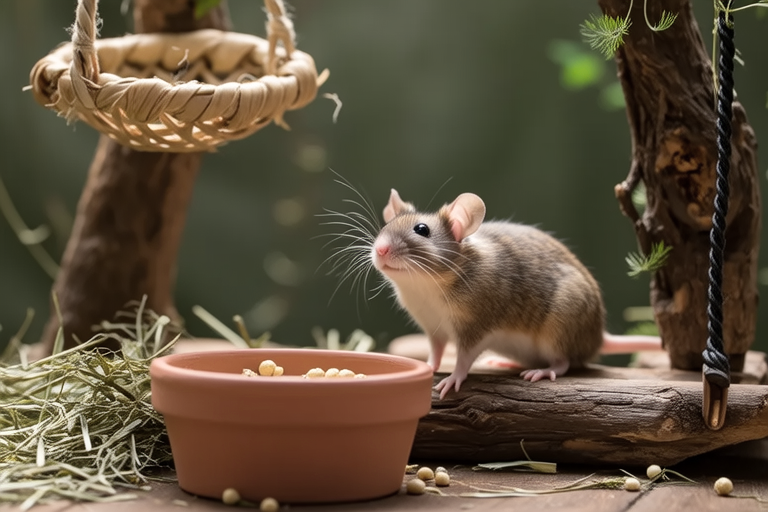
How to Create the Perfect Habitat for Your Curious Fancy Rat
Fancy rats, also known as domesticated brown rats or laboratory rats, are intelligent, social, and playful creatures that can make wonderful pets. Providing them with a stimulating and comfortable habitat is crucial for their health and happiness. This article will guide you through creating the perfect habitat for your curious fancy rat, covering various aspects such as cage selection, bedding, ventilation, temperature and humidity control, toys and accessories, dietary considerations, and safe cleaning practices.
Selecting an Appropriate Cage Size and Type
The first step in creating the perfect habitat for your fancy rat is choosing the right cage. Rats are active animals that need plenty of space to move around, exercise, and play. A suitable cage should be large enough to accommodate their needs while ensuring they have enough room to stretch out fully.
For one rat, a minimum cage size of 30x45cm (12×18 inches) is recommended. However, if you plan to keep multiple rats together, it’s best to provide even more space. For two rats, a cage measuring at least 60x45cm (24×18 inches) is ideal. Larger cages, like those designed for ferrets or small rabbits, are also excellent options for housing multiple rats.
When selecting a cage, consider its design and material. Wire cages with solid floors are preferred over wire-bottomed ones to prevent injuries from sharp edges or small gaps. Glass aquariums or plastic bins can also work well, but ensure they have adequate ventilation. Avoid using cages made of softwood, such as pine or cedar, as these woods release harmful chemicals that can irritate your rat’s respiratory system. Opt for cages made of metal, glass, or plastic instead.
Essential Bedding Materials
Choosing the right bedding is essential for keeping your rat’s living area clean and comfortable. The bedding should absorb moisture, control odors, and provide cushioning for your rat. Some popular choices include:
- Paper-based bedding: Made from recycled paper, this type of bedding is soft, absorbent, and easy to clean. It’s also dust-free, making it ideal for rats prone to respiratory issues.
- Shredded paper: Another great option, shredded paper provides excellent insulation and is easy to replace. You can recycle old newspapers, but avoid glossy or colored papers, as they may contain harmful chemicals.
- Bedding made from recycled cardboard: Similar to paper-based bedding, recycled cardboard is soft, absorbent, and biodegradable. It also has the added benefit of being more environmentally friendly.
- Wood shavings: If you prefer wood-based bedding, choose Aspen wood shavings. Unlike pine or cedar, Aspen doesn’t emit harmful fumes and is safe for your rat. Avoid using scented or colored wood shavings, as they may irritate your rat’s sensitive respiratory system.
Regardless of the type of bedding you choose, aim to change it every 2-3 days to maintain hygiene and prevent the buildup of bacteria and parasites. Additionally, provide your rat with a nesting box filled with soft, fluffy bedding, such as cotton or fleece, to create a cozy sleeping area.
Proper Ventilation
Adequate ventilation is vital for maintaining good air quality within your rat’s habitat. Poor ventilation can lead to the buildup of ammonia and other harmful gases, which can cause respiratory problems for your pet. To ensure proper airflow, choose a cage with ample ventilation holes or bars spaced no more than 1cm (0.4 inches) apart. Avoid placing the cage in areas with drafts or direct sunlight, as these can cause temperature fluctuations.
If you’re using a glass aquarium or plastic bin, drill several small holes along the top edge to allow fresh air to circulate. You can also place a wire mesh cover over the top of the enclosure to enhance ventilation while preventing escapes. Regularly check the cage for any signs of dampness or mold, which can indicate poor ventilation or excessive moisture.
Temperature and Humidity Control
Maintaining a stable temperature and humidity level is crucial for your rat’s overall health. Rats thrive in environments with temperatures between 68-79°F (20-26°C). Avoid exposing your pet to extreme heat or cold, as these conditions can cause stress and illness. Keep the cage away from windows, radiators, and other sources of direct heat or cold.
Humidity levels should be kept between 40-60%. Too much moisture can lead to the growth of mold and bacteria, while too little can cause respiratory issues. Use a hygrometer to monitor humidity levels and adjust accordingly. If the air feels dry, you can add a humidifier to increase moisture. Conversely, if the air is too moist, use a dehumidifier to reduce humidity.
Necessary Toys and Accessories to Stimulate Their Curiosity
Rats are highly intelligent and inquisitive animals that require mental stimulation to stay happy and healthy. Providing a variety of toys and accessories can help keep your rat entertained and mentally engaged. Some popular options include:
- Exercise wheels: A solid-surfaced wheel allows your rat to run and burn off excess energy. Choose a wheel with a diameter of at least 12 inches to prevent back injuries.
- Tunnels and hideouts: These provide your rat with places to explore and feel secure. PVC pipes, cardboard boxes, and commercially available tunnels are all great options.
- Chew toys: Rats love to gnaw, so providing chew toys can help keep their teeth trim and prevent boredom. Safe options include untreated wooden blocks, cardboard tubes, and untreated cotton ropes.
- Puzzle feeders: These toys challenge your rat to solve puzzles to access treats, promoting problem-solving skills and mental stimulation.
- Plastic balls: These allow your rat to roll around and explore its surroundings in a controlled environment.
Rotate toys periodically to keep your rat interested and engaged. Be sure to supervise your rat when playing with new toys and remove any items that become damaged or pose a choking hazard.
Safe Cleaning Practices
Regular cleaning is essential for maintaining a healthy and hygienic living environment for your rat. However, it’s important to use safe cleaning practices to avoid exposing your pet to harmful chemicals. Follow these steps for a thorough and safe cleaning routine:
- Remove all bedding, toys, and accessories from the cage.
- Scrub the cage with warm water and mild dish soap, paying special attention to corners and crevices.
- Rinse the cage thoroughly to remove any soap residue.
- Allow the cage to air dry completely before replacing the bedding and accessories.
- Disinfect the cage once a month using a pet-safe disinfectant. Rinse thoroughly and let it dry completely before returning your rat to its home.
- Wash food and water bowls daily with hot water and mild dish soap. Rinse and dry them thoroughly before refilling.
Never use harsh chemicals or bleach, as these can be toxic to your rat. Always ensure the cage and accessories are completely dry before reintroducing your pet.
Dietary Considerations Within the Habitat
Providing a balanced and nutritious diet is essential for your rat’s overall health and well-being. In addition to feeding your rat a high-quality commercial rat food, offer a variety of fresh fruits, vegetables, and proteins to supplement its diet. Some safe options include:
- Fruits: Apples, bananas, blueberries, grapes, and strawberries are all excellent choices. Limit the amount of citrus fruits, as they can upset your rat’s stomach.
- Vegetables: Carrots, broccoli, peas, and spinach are all great sources of vitamins and minerals. Avoid giving your rat raw beans, onions, or garlic, as these can be toxic.
- Proteins: Cooked chicken, boiled eggs, and cottage cheese are all good sources of protein. Avoid giving your rat raw meat, as it can harbor harmful bacteria.
Place food and water dishes in easily accessible locations within the cage. Refill them daily and discard any uneaten food after 24 hours to prevent spoilage. Provide a constant supply of fresh, clean water in a water bottle or bowl.
Tips for Maintaining a Stress-Free Environment
Maintaining a stress-free environment is key to your rat’s happiness and well-being. Here are some tips to help keep your pet relaxed and comfortable:
- Provide hiding spots: Rats are naturally shy and may feel more secure with hiding spots in their habitat. Offer plenty of tunnels, boxes, and other enclosed spaces where your rat can retreat when feeling overwhelmed.
- Limit noise and commotion: Loud noises or sudden movements can startle your rat, causing stress. Keep the area around the cage quiet and calm, especially during feeding and handling times.
- Establish a routine: Rats thrive on consistency. Try to establish a regular schedule for feeding, cleaning, and playtime to help your pet feel secure and comfortable.
- Handle your rat gently: When interacting with your rat, be gentle and respectful of its boundaries. Avoid sudden movements or loud noises that could startle your pet.
- Introduce new changes gradually: Introducing new toys, bedding, or cage modifications slowly can help your rat adjust without becoming stressed.
By following these guidelines, you can create a safe, comfortable, and stimulating habitat for your curious fancy rat. With proper care and attention, your pet will enjoy a happy and healthy life.
