Chilean Rose Tarantulas 101: Expert Tips for New and Experienced Owners
Welcome to the World of Chilean Rose Tarantulas
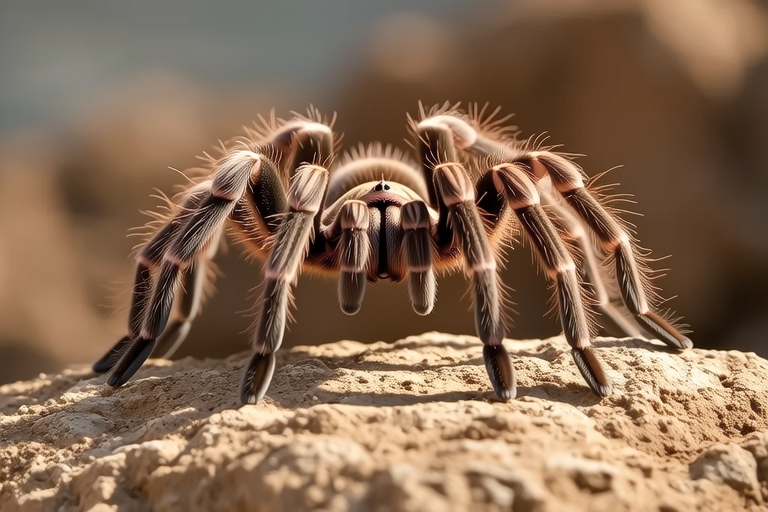
Chilean rose tarantulas (Grammostola rosea) are one of the most popular species among tarantula enthusiasts due to their manageable size, docile nature, and striking appearance. These spiders are native to the deserts of South America and have become a favorite among both beginners and seasoned hobbyists.
Essential Care Tips for Beginners
Starting your journey with a Chilean rose tarantula can be exciting but also comes with responsibilities. Here’s what you need to know:
- Temperature and Humidity: Maintain temperatures between 75-85°F (24-29°C) and humidity around 60%. Use a hygrometer and thermometer to monitor these conditions.
- Housing: A 5-gallon tank is sufficient for a single adult. Ensure proper ventilation and secure lid to prevent escapes.
- Substrate: Use a substrate that retains moisture well, like coconut fiber or a mix of peat moss and vermiculite. Keep it at least 3 inches deep to allow burrowing.
Advanced Care Tips for Seasoned Owners
For those who have mastered the basics, here are some advanced tips:
- Feeding Schedule: Feed juveniles once a week and adults every two weeks. Offer crickets, mealworms, or dubia roaches. Avoid overfeeding to prevent obesity.
- Cleaning: Clean the enclosure every 2-3 months. Remove waste and replace substrate if necessary. Ensure thorough cleaning to maintain hygiene.
- Handling: While they are generally docile, always handle them gently and avoid frequent handling to minimize stress.
Habitat Setup
Creating the right environment is crucial for your tarantula’s health and happiness:
- Enclosure: Opt for a glass terrarium with a secure lid. Ensure adequate ventilation to prevent condensation buildup.
- Hiding Spots: Provide cork bark, half logs, or artificial caves for hiding. This mimics their natural burrowing behavior.
- Water Source: Place a shallow water dish in the enclosure. Regularly check and refill to ensure fresh water is available.
Dietary Needs
Understanding what and how much to feed your Chilean rose tarantula is key:
- Food Variety: Offer a variety of insects, including crickets, dubia roaches, and mealworms. Gut load these feeder insects with nutritious food before feeding them to your tarantula.
- Feeding Frequency: Juveniles should be fed weekly, while adults can be fed every 2-3 weeks. Monitor your tarantula’s weight to adjust feeding accordingly.
- Supplements: Consider dusting feeder insects with calcium and vitamin D3 supplements to ensure a balanced diet.
Handling Advice
Handling your Chilean rose tarantula requires careful attention:
- Preparation: Wash hands thoroughly before handling to remove any potential toxins or allergens.
- Technique: Gently coax the tarantula out of its hide using a stick or paper. Avoid grabbing or pinching the spider.
- Frequency: Limit handling to once a month to reduce stress and potential injuries.
Common Health Issues
Be vigilant about signs of illness:
- Molting Problems: During molting, the tarantula may appear lethargic and refuse food. Do not disturb during this period. Ensure humidity levels are appropriate.
- Paralysis: If your tarantula shows signs of paralysis, such as inability to move legs or abdomen, consult a veterinarian specializing in exotic pets immediately.
- Respiratory Issues: Watch for labored breathing or mouth gapping. This could indicate respiratory distress, often linked to poor ventilation or high ammonia levels.
Behavioral Insights
Understanding your tarantula’s behavior can enhance your relationship:
- Aggression: Despite their reputation, Chilean rose tarantulas are generally calm and non-aggressive. They may flick urticating hairs if threatened.
- Molting: During molting, your tarantula will lie on its back and shed its exoskeleton. Provide a humid environment to aid this process.
- Social Behavior: Tarantulas are solitary creatures and do not require companionship. Avoid housing multiple tarantulas together.
Safety and Responsible Ownership
Ownership of Chilean rose tarantulas involves significant responsibility:
- Research: Thoroughly research before purchasing to ensure you understand the commitment involved.
- Legalities: Check local laws regarding exotic pet ownership. Some areas may have restrictions or require permits.
- Ethical Considerations: Always purchase from reputable breeders to support ethical practices and avoid contributing to wildlife trafficking.
Conclusion
Owning a Chilean rose tarantula is a rewarding experience filled with learning opportunities. By providing the right care, understanding their needs, and handling responsibly, you can ensure your tarantula lives a long and healthy life. Whether you’re a beginner or an experienced owner, continuous learning and adaptation are key to successful tarantula care.
