The Ultimate Guide to Guinea Pig Diet: What Every Owner Should Know
Guinea pigs, also known as cavies, are delightful pets that require proper nutrition to thrive. A well-balanced diet is crucial for their overall health, growth, and longevity. This comprehensive guide will cover everything you need to know about feeding your guinea pig, from the essentials like hay, fresh vegetables, and pellets, to the importance of vitamin C and maintaining water quality.
Essential Dietary Needs
Hay
Hay forms the foundation of a guinea pig’s diet. It aids digestion, supports dental health, and provides necessary fiber. Timothy hay is ideal for adult guinea pigs, while younger ones can benefit from alfalfa hay due to its higher calcium content. Always ensure the hay is fresh and free from mold.
Fresh Vegetables
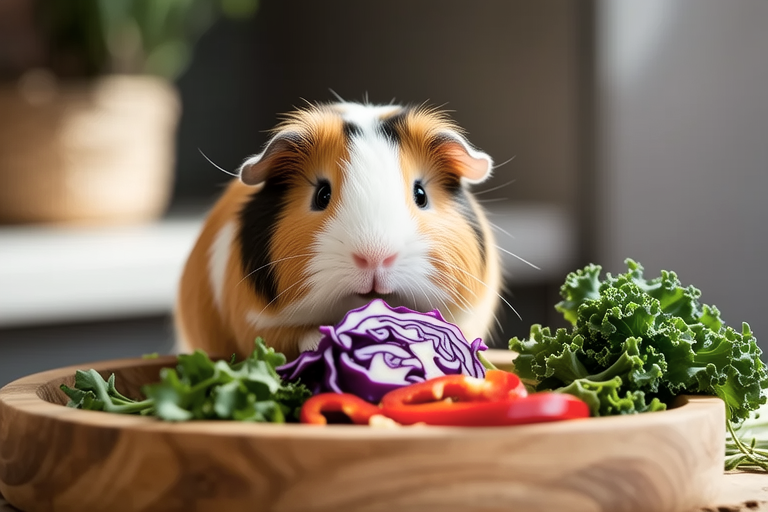
Variety is key when it comes to fresh vegetables. Leafy greens like romaine lettuce, kale, and spinach offer essential nutrients. Other suitable options include bell peppers, carrots, broccoli, and zucchini. Remember to introduce new vegetables gradually to avoid digestive upset.
Pellets
High-quality pellets provide balanced nutrition. Look for pellets specifically formulated for guinea pigs, containing essential vitamins and minerals. Avoid those with added sugars or artificial ingredients. Offer a small amount daily to complement their hay and fresh vegetables.
The Importance of Vitamin C
Vitamin C is vital for guinea pigs as they cannot produce it themselves. Deficiency can lead to scurvy, causing joint pain, lethargy, and weakened immune systems. Suitable sources include red and green bell peppers, strawberries, oranges, and kiwi fruit. Always wash fruits and vegetables thoroughly before serving.
Portion Sizes and Feeding Frequency
Feed guinea pigs unlimited amounts of hay throughout the day. Fresh vegetables should be provided once or twice daily, with a variety to prevent boredom. Pellets should be limited to a tablespoon per day. Clean, fresh water should always be available.
Common Feeding Mistakes and Their Impacts on Health
- Overfeeding: Excessive food can lead to obesity and related health issues.
- Incorrect Hay Type: Using inappropriate hay can cause digestive problems.
- Inadequate Water Supply: Dehydration can result from insufficient access to clean water.
- Improper Introduction of New Foods: Rapid introduction can cause digestive upset.
Tips for Introducing New Foods Safely
Introduce new foods gradually over several days. Start with a small amount and monitor for any signs of discomfort or allergic reactions. If your guinea pig shows adverse effects, discontinue the food immediately and consult a veterinarian.
Maintaining Water Quality and Hygiene
Ensure your guinea pig has constant access to clean, fresh water. Use a water bottle designed for small animals to prevent contamination. Clean the bottle and replace the water daily. Regularly check for any leaks or blockages.
Conclusion
Understanding and meeting the dietary needs of your guinea pig is fundamental to their well-being. By providing a balanced diet rich in hay, fresh vegetables, and appropriate pellets, along with sufficient vitamin C, you can ensure your pet enjoys a healthy and happy life. Always be mindful of portion sizes, feeding frequency, and hygiene practices to maintain optimal health. With this guide, you’re well-equipped to provide the best care for your beloved guinea pig.
