Maine Coon Cats: The Ultimate Guide to Owning the Largest Domestic Breed
Welcome to the world of Maine Coon cats, one of the most fascinating and beloved breeds of domestic felines. Known for their impressive size, intelligence, and friendly demeanor, these majestic creatures have captured the hearts of cat enthusiasts around the globe. This comprehensive guide will take you through everything you need to know about owning a Maine Coon, from their unique characteristics and rich history to detailed care instructions and tips for selecting the perfect kitten.
Introduction to Maine Coon Cats
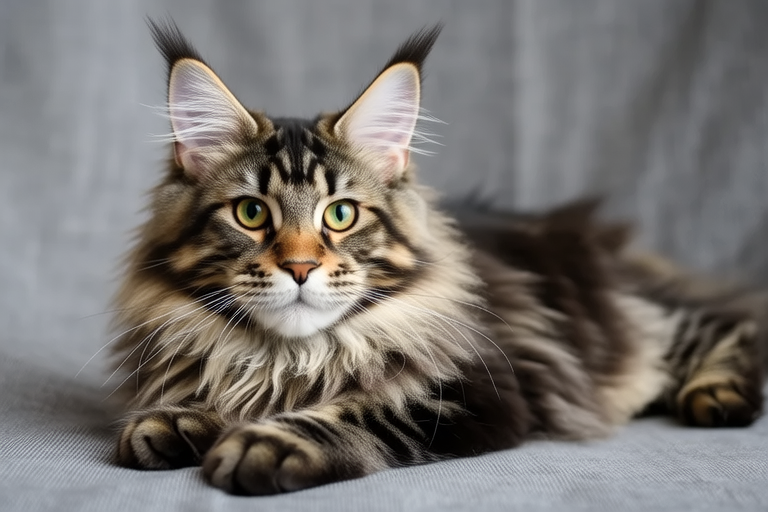
Maine Coon cats are often referred to as the “gentle giants” of the feline world due to their large size. Males can weigh between 13 to 18 pounds, while females typically range from 9 to 13 pounds. Their bodies are muscular and well-balanced, with a broad chest and sturdy legs that support their robust frame. One of the most distinctive features of the Maine Coon is its luxurious, water-resistant coat, which comes in various colors and patterns. Their tails are exceptionally long and bushy, often resembling a lion’s mane.
Despite their imposing appearance, Maine Coons are known for their gentle and affectionate nature. They are highly intelligent and can be trained to walk on a leash or even fetch toys. Their friendly disposition makes them excellent companions for families and individuals alike. These cats are social animals that enjoy spending time with their human families, often following their owners around the house and participating in daily activities.
The History and Origin Myths of Maine Coons
The exact origins of the Maine Coon breed remain somewhat of a mystery, but several origin myths add to the breed’s allure. One popular myth involves Marie Antoinette, who was said to have sent her prized cats to America before her execution. Another story attributes the breed’s development to the pairing of semi-wild raccoon-like cats with domestic cats. However, modern genetic research suggests that the Maine Coon is more closely related to the Norwegian Forest Cat.
Historically, Maine Coons were valued for their hunting skills and ability to adapt to harsh New England winters. They were often kept on farms to control rodent populations, earning them the nickname “the gentle farm cat.” The breed gained popularity in the late 19th century and early 20th century, when they became regular participants in cat shows. Despite their initial success, the breed nearly disappeared after World War II but has since made a remarkable comeback.
Adaptation to Harsh Climates
Maine Coons have a natural resilience that allows them to thrive in challenging environments. Their thick, water-repellent coats protect them from cold temperatures and precipitation. The dense undercoat provides insulation, while the longer outer hairs keep moisture at bay. Additionally, their tufted ears and paws offer further protection against the elements.
Their adaptability extends beyond physical traits; Maine Coons are also known for their problem-solving abilities. They are curious and resourceful, often finding creative solutions to challenges they encounter. This intelligence, combined with their physical prowess, makes them well-suited for life in diverse environments.
Detailed Care Instructions
Dietary Needs
Feeding a Maine Coon requires careful consideration to maintain their health and well-being. High-quality, protein-rich diets are essential for these large cats. Consult your veterinarian to determine the appropriate amount of food based on your cat’s age, weight, and activity level. Maine Coons may require more calories than smaller breeds due to their larger body size. Be cautious of overfeeding, as obesity can lead to health problems such as diabetes and arthritis.
Grooming
Regular grooming is necessary to keep Maine Coon cats’ coats healthy and free of mats. Brush them at least once a week, paying special attention to the undercoat during shedding seasons. Use a wide-tooth comb or slicker brush to remove loose hair and prevent tangles. Bathing is generally not required unless the cat gets excessively dirty, but it’s important to use a cat-specific shampoo and ensure thorough rinsing to avoid skin irritation.
Exercise Needs
Maine Coons are active and playful, requiring ample opportunities for exercise. Interactive toys, climbing structures, and scratching posts provide mental and physical stimulation. Encourage play sessions with your cat to maintain their fitness and bond with them. Regular playtime can also help manage weight and reduce behavioral issues associated with boredom.
Common Health Issues
While Maine Coons are generally healthy, they are prone to certain genetic conditions. Hypertrophic cardiomyopathy (HCM) is a heart disease that affects many Maine Coons, leading to thickening of the heart muscle. Responsible breeders screen for HCM to minimize its occurrence. Hip dysplasia, a condition where the hip joint doesn’t fit properly, can also affect this breed. Regular veterinary check-ups and early intervention are crucial for managing these conditions.
Compatibility with Families, Other Pets, and Living Environments
Maine Coons are incredibly adaptable and can thrive in various living situations. They are particularly well-suited for family households, as they are gentle with children and other pets. Their patience and tolerance make them ideal companions for families with young children or multiple pets. However, they require a safe, secure environment to explore and play.
These cats can live comfortably in both indoor and outdoor settings, provided they are protected from potential dangers. If you choose to allow your Maine Coon outside, ensure they wear a reflective collar with proper identification. Indoor-only cats are safer from predators, traffic, and infectious diseases. Regardless of their living arrangement, Maine Coons benefit from a stimulating environment that encourages exploration and play.
Selecting a Breeder and Bringing a New Kitten Home
Choosing the right breeder is critical to ensuring the health and temperament of your Maine Coon kitten. Look for breeders who prioritize the well-being of their cats and adhere to ethical breeding practices. Ask about the breeder’s background, experience, and involvement in cat shows or competitions. A reputable breeder will provide health clearances for both parents and offer ongoing support and guidance.
When bringing a new kitten home, create a comfortable, quiet space for them to adjust. Gradually introduce your kitten to their new surroundings, allowing them time to explore at their own pace. Establish routines for feeding, playtime, and grooming to help your kitten feel secure and loved. Remember that kittens require extra attention and care during the first few weeks in their new home.
Long-Term Commitment and Rewarding Companionship
Owning a Maine Coon cat is a significant commitment that spans many years. With proper care and attention, these cats can live up to 15 years or more. The long-term benefits of their companionship are immeasurable. Their loyalty, affection, and playful nature bring joy and comfort to their human families. As they grow older, Maine Coons tend to become more affectionate and dependent, making them cherished members of the household.
In conclusion, Maine Coon cats are magnificent creatures that offer unparalleled companionship and loyalty. By understanding their unique characteristics, history, and care requirements, you can provide a loving and nurturing environment for your Maine Coon. Embrace the journey of raising one of these gentle giants, and savor the rewarding experience of their companionship.
