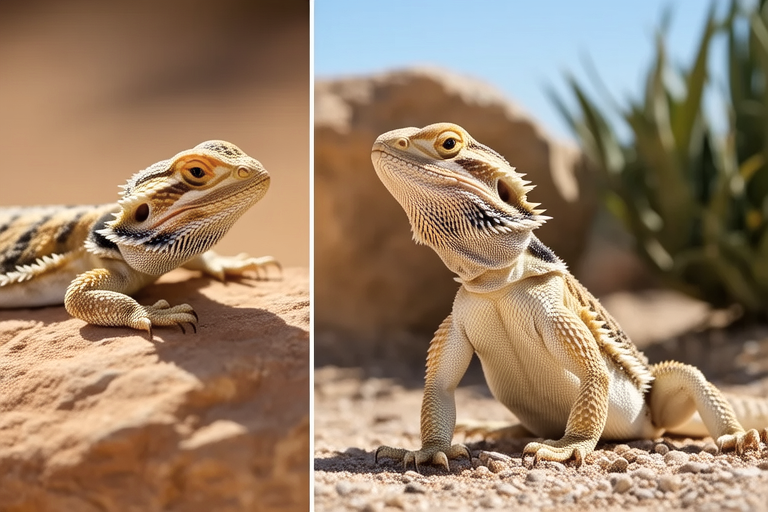
From Tiny Hatchling to Majestic Beast: The Journey of a Bearded Dragon Owner
Selecting a Bearded Dragon as a Pet
Choosing a bearded dragon as a pet is an exciting decision that comes with its own set of expectations and preparations. Before bringing your first hatchling home, it’s crucial to understand their care requirements and what you can expect from these reptilian companions.
Bearded dragons are known for their docile nature and fascinating behaviors, making them popular pets among reptile enthusiasts. When selecting a bearded dragon, consider reputable breeders or local pet stores that prioritize the welfare of their animals. A healthy hatchling will have clear eyes, vibrant colors, and steady movement.
Initial preparations include setting up a suitable habitat. A glass tank with a secure lid is essential, ensuring proper ventilation while preventing escapes. The tank should be spacious enough to accommodate the dragon’s growth, ideally at least 40 gallons for a hatchling and larger for adults.
The substrate, or flooring material, is another critical consideration. Avoid loose substrates like sand or wood chips, which can pose choking hazards or impaction risks. Instead, opt for safer alternatives such as paper towels or reptile carpet for juveniles, transitioning to tile or smooth rocks as they mature.
The Transition from Hatchling to Adult
The journey from a tiny hatchling to a full-grown adult is marked by distinct growth stages, each requiring specific care adjustments. Understanding these phases helps ensure your dragon thrives throughout its life.
Hatchlings, typically measuring around two inches long, need a warm and humid environment to thrive. Their enclosure should have a basking spot maintained between 95-105°F, providing a temperature gradient for thermoregulation. UVB lighting is vital for calcium absorption and overall health.
Dietary needs evolve as the dragon grows. Young bearded dragons are voracious eaters, consuming small insects like crickets and dubia roaches. Introduce a variety of vegetables and leafy greens gradually, ensuring a balanced diet rich in vitamins and minerals. As they age, increase the proportion of plant matter in their diet, reducing the frequency of insect feedings.
Habitat adjustments are necessary as the dragon matures. Adults require larger enclosures to accommodate their increased size and activity levels. Provide ample space for climbing, basking, and exploring. Install additional hides and branches for environmental enrichment, promoting physical and mental well-being.
Maintaining a Healthy Dragon
Maintaining optimal health involves regular monitoring and proactive care. Clean the enclosure weekly, removing waste and any uneaten food promptly. This reduces the risk of bacterial growth and keeps the environment hygienic.
Common health issues include metabolic bone disease (MBD) due to calcium deficiency and respiratory infections from improper humidity levels. Signs of illness may include lethargy, loss of appetite, or unusual discharge from the mouth or nose. Early detection is key; consult a veterinarian specializing in reptiles if you suspect any health concerns.
Regular check-ups with a reptile vet are advisable, especially during growth spurts. They can monitor weight gain, skin condition, and overall vitality, providing timely interventions if needed.
The Emotional Bond Between Owner and Pet
The relationship between a bearded dragon owner and their pet is unique and rewarding. These creatures display individual personalities, responding to their names and forming bonds through consistent interaction.
Handling your dragon gently and frequently builds trust. They often enjoy being held and can learn to recognize their owners’ voices. Some dragons even exhibit playful behaviors, such as head bobbing or arm waving, as greetings or displays of dominance.
Understanding their body language is crucial for effective communication. A relaxed dragon with its beard retracted and eyes open is usually content. Conversely, puffing up the beard or darkening it might indicate stress or aggression. Learning to read these signals fosters a deeper connection.
Reflecting on the Journey
Watching a tiny hatchling grow into a majestic beast is a profound experience. From the first tentative steps to the confident basking on a favorite branch, each stage is filled with wonder and learning.
For new owners, patience and commitment are key. Bearded dragons require consistent care and attention, but the rewards far outweigh the effort. Their quirky personalities and affectionate nature make them beloved companions.
Remember, every dragon is unique, and their needs may vary slightly. Stay informed about advancements in reptile care and adapt your approach accordingly. With dedication and love, you’ll create a lasting bond with your scaly friend.
