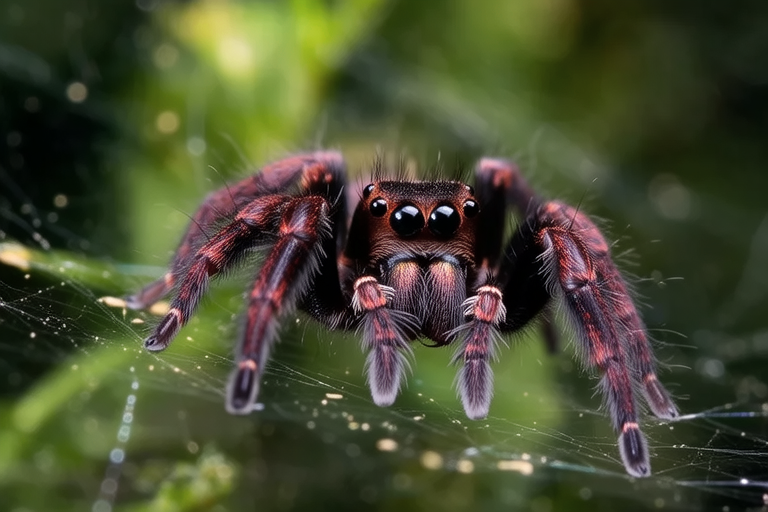
8 Terrifying Facts About Tarantulas That Will Leave You Fascinated
Tarantulas, with their fearsome appearance and unsettling presence, have long been the subject of nightmares and horror stories. Yet, beneath their intimidating exterior lies a world of intricate biology, surprising behaviors, and remarkable adaptations. From their massive size to their venomous bites, these spiders are a marvel of nature. Here are eight terrifying yet fascinating facts about tarantulas that will leave you both horrified and in awe.
1. The Giant Huntsman Spider: A Stealthy Predator
The Heteropoda maxima, often referred to as the giant huntsman spider, is one of the largest arachnids in the world. With a leg span reaching up to 12 inches, this species dwarfs its relatives. Unlike many tarantulas, which rely on burrows, the giant huntsman prefers the open air, skulking in dark, secluded spaces like caves or abandoned buildings. Its flat body allows it to squeeze into tight crevices, making it nearly impossible to spot until it’s too late. Its speed and agility make it a formidable predator, capable of catching prey much larger than itself with ease.
2. Silk Secrets: Spinning Without a Web
Most people associate tarantulas with elaborate webs, but the truth is far more intriguing. While some tarantula species do spin silk, they don’t use it for trapping prey like orb-weaving spiders. Instead, they employ their silk for creating egg sacs and lining their burrows for protection. What’s truly fascinating is how they produce this silk without the usual web-spinning apparatus found in other spiders. Tarantulas have silk-producing structures called spinnerets located at the rear of their abdomens, allowing them to craft a variety of silken structures without ever building a traditional web.
3. Venomous, But Not Lethal
Contrary to popular belief, tarantula venom is generally not lethal to humans. Their bite, while painful, is comparable to a wasp sting. However, the venom serves a crucial purpose for the spider. It contains a cocktail of toxins designed to paralyze small prey quickly. These toxins break down muscle tissue, allowing the tarantula to consume its meal easily. Additionally, some species have developed specialized venom that can cause necrosis in certain insects, further enhancing their hunting prowess.
4. The Tarantula’s Unique Defense Mechanism: Barbed Hair
One of the most distinctive features of tarantulas is their ability to shed barbed hairs from their abdomen when threatened. Known as urticating hairs, these tiny bristles are packed with microscopic barbs that irritate the skin and eyes of predators. When a tarantula feels endangered, it rubs its hind legs against its abdomen to dislodge these hairs, launching them at the attacker. This defense mechanism can cause temporary blindness and severe irritation, giving the tarantula time to escape. Some species, particularly those native to North America, lack these hairs, relying instead on their impressive size and biting abilities.
5. The Mysterious Dance of Courtship
Tarantula courtship is a complex and delicate affair, involving a dance of sorts that can last for hours. During mating season, male tarantulas perform an elaborate display to attract females. They wave their front legs, tap the ground with their pedipalps, and even produce vibrations through the substrate to communicate their intentions. If the female is receptive, she will respond by lowering her fangs and allowing the male to approach. However, if she’s not interested, she may attack and eat him. This ritual underscores the precarious balance between attraction and survival in the world of tarantulas.
6. Lifespan and Growth
Unlike many other arthropods, tarantulas have relatively long lifespans, especially for their size. Some species can live for over 20 years, with females often outliving males due to their larger size and slower metabolism. Tarantulas grow throughout their lives, molting their exoskeleton several times to accommodate their increasing size. Each molt is a significant event, during which the spider remains vulnerable. In the weeks leading up to a molt, the tarantula stops eating and becomes reclusive, emerging from its hiding place only after its new exoskeleton has hardened.
7. The Sensory World of Tarantulas
Tarantulas possess an array of sensory organs that allow them to navigate their environment with remarkable precision. They have eight eyes arranged in two rows, though their vision is limited. Instead, they rely heavily on their sense of touch and vibration. The sensitive hairs covering their bodies detect the slightest movements, helping them locate prey and avoid danger. Their legs are equipped with highly tuned sensors that can pick up vibrations in the ground, enabling them to track potential threats or prey from a distance. This combination of senses makes tarantulas incredibly efficient hunters.
8. The Tarantula’s Role in Ecosystems
Beyond their role as predators, tarantulas play a vital part in maintaining ecological balance. As top predators in many ecosystems, they help control populations of insects and other small animals. By consuming large quantities of prey, they prevent overpopulation and reduce competition for resources among other species. Additionally, their burrows provide shelter for smaller animals and help aerate soil, promoting plant growth. Despite their fearsome reputation, tarantulas are essential contributors to the health of their environments.
A Reflection on Tarantulas
While tarantulas may evoke fear and revulsion in many people, they are truly fascinating creatures worthy of respect and admiration. Their unique adaptations, complex behaviors, and crucial role in ecosystems reveal a side of nature that is both awe-inspiring and humbling. Understanding these spiders not only deepens our appreciation for biodiversity but also highlights the importance of conservation efforts. Far from being mindless killers, tarantulas are sophisticated organisms with intricate lives and vital roles in the natural world. Let us embrace our fascination with these creatures and strive to protect the habitats that sustain them.
