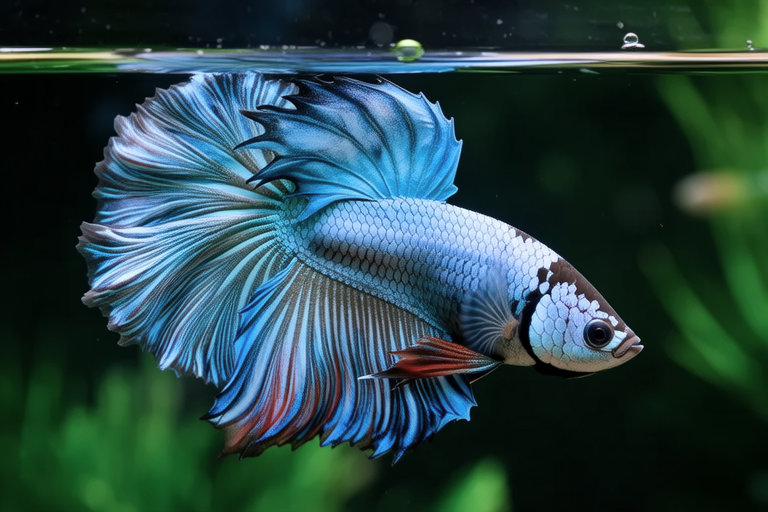
Amazing Facts You Never Knew About Betta Fish Behavior
Betta fish, also known as Siamese fighting fish, are among the most popular freshwater aquarium pets. Their vibrant colors and graceful movements have captivated many aquarists. However, there’s much more to these fish than meets the eye. This article delves into some amazing facts about betta fish behavior, including their social interactions, territorial instincts, communication methods, and how environmental factors influence their actions.
The Social Lives of Betta Fish
Betta fish are often thought of as solitary creatures due to their reputation as aggressive fighters. While it’s true that they can be territorial, their social lives are more nuanced than commonly believed. In the wild, bettas live in densely vegetated areas with limited space, leading them to be highly territorial towards other males but less so towards females.
Scientific studies show that betta fish can exhibit peaceful cohabitation under certain conditions. For instance, when introduced to a tank with ample hiding spots and plants, bettas can coexist with other fish species, especially those that aren’t too active or brightly colored. Some aquarists have successfully kept male bettas in separate compartments within a divided tank, allowing them to see each other without physical contact. This setup can reduce stress and aggression while still providing the visual stimulation that bettas enjoy.
Anecdotal evidence from experienced aquarists suggests that bettas can form bonds with other bettas or compatible fish over time. These relationships can range from mutual indifference to occasional playfulness, such as chasing bubbles or nibbling at each other’s fins. However, it’s crucial to monitor any signs of aggression, such as fin nipping or chasing, which may indicate the need for reorganization of the tank.
Territorial Instincts: A Closer Look
Betta fish are renowned for their territorial nature, particularly towards other males. This instinct stems from their evolutionary history, where competing for territory and resources was essential for survival. Male bettas will fiercely defend their space, often displaying vibrant colors and erecting their fins as a warning sign.
Interestingly, the level of aggression can vary depending on several factors. One study found that bettas housed in smaller tanks were more likely to display heightened aggression compared to those in larger environments. This phenomenon, known as ‘captive aggression,’ highlights the importance of providing ample space for these fish. Experts recommend at least five gallons of water per betta to minimize stress and promote healthy behavior.
In addition to physical territory, bettas also defend what they perceive as their personal space. They may become agitated if another fish approaches too closely or invades their bubble nest (in the case of males). To prevent conflicts, aquarists should ensure there’s sufficient distance between bettas and other tank inhabitants. Floating plants and decorations can help create distinct territories within the tank, reducing the likelihood of aggressive encounters.
Surprising Communication Methods
Betta fish communicate in ways that might surprise even seasoned aquarists. While they lack vocal cords, they use a variety of non-verbal signals to interact with each other and their environment. One of the most notable forms of communication is through color changes. When bettas feel threatened or excited, their colors become more intense, signaling their readiness to fight or mate.
Bettas also employ a behavior known as ‘flaring,’ where they puff out their gills and spread their fins to appear larger and more intimidating. This action serves as a clear warning to potential threats. Another intriguing method of communication involves the use of bubble nests. Males construct these floating structures from saliva-coated bubbles to attract mates and protect eggs. The quality and size of the nest can indicate the male’s health and fitness, influencing the female’s decision to mate.
Observant aquarists can learn to interpret these behaviors and use them to enhance their interaction with bettas. For example, noticing a betta’s color change or flaring can alert you to potential stressors, such as poor water quality or overcrowding. By addressing these issues promptly, you can help maintain a harmonious environment for your fish.
Environmental Factors and Behavior
The environment plays a crucial role in shaping betta fish behavior. Water temperature, pH levels, lighting, and tank decor all contribute to creating an optimal habitat for these fascinating creatures. Maintaining stable conditions is essential for promoting healthy behavior and preventing stress-related illnesses.
Bettas prefer slightly warmer waters, ideally between 78°F and 80°F (25°C – 27°C). Sudden temperature fluctuations can cause stress and lead to behavioral changes, such as lethargy or increased aggression. Similarly, pH levels should be kept within the range of 6.5 to 7.5, reflecting the slightly acidic nature of their natural habitats. Regular water testing and timely water changes are key to ensuring stable conditions.
Lighting also influences betta behavior. While bettas don’t require high-intensity lighting, exposure to natural sunlight or appropriate aquarium lights can stimulate their activity levels and promote healthy growth. Experts recommend a photoperiod of around 10 to 12 hours per day, mimicking the natural day-night cycle. Avoid overly bright or harsh lighting, which can cause stress and negatively impact their well-being.
Tank decor is another important factor. Providing plenty of hiding spots and open swimming areas allows bettas to establish territories and feel secure. Floating plants, caves, and driftwood can serve multiple purposes, offering both shelter and enrichment. Additionally, incorporating gentle water flow can mimic the natural currents of their native streams, encouraging exploration and exercise.
Tips for Interpreting Common Behaviors
Understanding common betta behaviors can help aquarists provide better care and address potential issues before they escalate. Here are some tips for interpreting various actions:
- Flaring and chasing: These behaviors typically indicate aggression, especially when directed at other fish. Monitor tankmates carefully and consider rearranging the tank layout if necessary.
- Frequent surface skimming: Bettas may gulp air at the water’s surface, especially if the water contains insufficient oxygen. Ensuring proper aeration and monitoring water parameters can alleviate this behavior.
- Resting on the bottom: While bettas sometimes rest on the substrate, prolonged periods of inactivity could signal illness or stress. Investigate water quality and tank conditions to identify potential causes.
- Building bubble nests: This is a positive sign, indicating the male’s readiness to breed. If you’re not interested in breeding, removing the nest or introducing a female can help redirect his attention.
Creating an Optimal Environment for Betta Fish
Creating an ideal environment for betta fish requires careful consideration of their specific needs. Here are some recommendations based on scientific observations and expert advice:
- Proper Tank Size: As mentioned earlier, at least five gallons per betta is recommended. Larger tanks offer more swimming space and allow for better water quality management.
- Adequate Filtration: Efficient filtration helps maintain clean water by removing waste and excess nutrients. Choose a filter that provides gentle circulation without overwhelming the tank.
- Water Quality Maintenance: Regular water testing and partial water changes (about 25% weekly) are vital for maintaining optimal water quality. This practice helps prevent the buildup of harmful substances and ensures a healthy living environment.
- Substrate Selection: Smooth gravel or sand is preferable to avoid injuring the betta’s delicate fins. Some aquarists opt for bare-bottom tanks to simplify cleaning and reduce the risk of substrate-related injuries.
- Feeding: A balanced diet consisting of high-quality flakes, pellets, and occasional treats like frozen or live foods supports overall health. Feed bettas small amounts two to three times daily, avoiding overfeeding to prevent water pollution.
By following these guidelines and staying attentive to your betta’s needs, you can create a thriving home for these captivating fish. Remember that each betta is unique, and it may take time to fully understand their individual preferences and quirks. Patience and observation are key to becoming a successful betta caretaker.
Conclusion
Betta fish are more than just beautiful additions to any aquarium; they are complex creatures with fascinating behaviors and unique needs. Understanding their social interactions, territorial instincts, communication methods, and how environmental factors influence their actions can greatly enhance your experience as an aquarist. Whether you’re a novice or an experienced enthusiast, taking the time to learn about betta fish behavior will enrich your relationship with these captivating creatures and contribute to their well-being.
