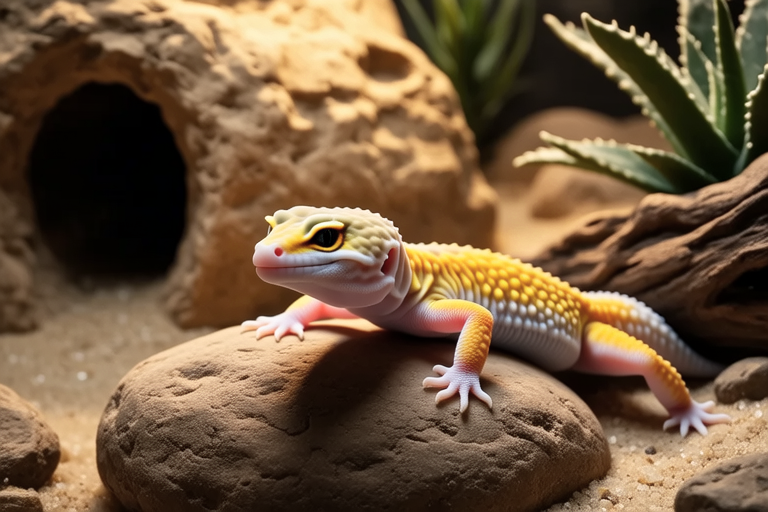
Transform Your Home into a Leopard Gecko Paradise
Welcome to the wonderful world of leopard geckos! These charming reptiles have become increasingly popular pets due to their docile nature, vibrant colors, and relatively low maintenance. Leopard geckos are native to the rocky deserts of Afghanistan, Pakistan, India, and parts of Iran. They are nocturnal creatures that enjoy burrowing and hiding, making them fascinating to watch and easy to care for. In this article, we will guide you through setting up the perfect home for your new pet, ensuring they thrive in a safe and comfortable environment.
Understanding Leopard Geckos
Leopard geckos are small lizards, typically reaching lengths of 8 to 11 inches (20 to 28 cm) from snout to tail. Their skin is covered in tiny bumps, giving them a rough texture, and they sport distinctive polka dot patterns. Unlike many other gecko species, leopard geckos lack adhesive toe pads, making them excellent climbers but less adept at scaling vertical surfaces. They are also known for their ability to shed their tails when threatened, a behavior called autotomy, which serves as a defense mechanism. Once the tail regrows, it usually lacks the intricate pattern of the original.
These reptiles are primarily insectivores, meaning their diet consists mainly of insects like crickets, mealworms, and wax worms. Providing a balanced diet rich in nutrients is crucial for their overall health and longevity. Leopard geckos can live up to 20 years in captivity, making them a long-term commitment. Understanding their specific care requirements ensures you provide the best possible life for your pet.
Creating the Perfect Habitat
Tank Setup
The first step in transforming your home into a leopard gecko paradise is selecting the right enclosure. A glass or plastic aquarium with a secure lid is ideal, offering enough space for your gecko to move around comfortably. For a single adult gecko, a 20-gallon tank is recommended; larger tanks allow for more hiding spots and climbing structures. Always ensure the enclosure has adequate ventilation to prevent the buildup of harmful moisture.
Substrate Choice
Selecting the appropriate substrate is vital for your gecko’s health. Avoid substrates like sand, gravel, or wood shavings, as these can cause impaction if ingested. Instead, opt for a non-abrasive, digestible option such as paper towels, reptile carpet, or coconut fiber bedding. These materials are easy to clean and maintain, reducing the risk of bacterial growth and keeping your gecko’s environment hygienic.
Temperature and Humidity Control
Maintaining the correct temperature gradient within the tank is essential for your gecko’s well-being. Leopard geckos are ectothermic, meaning they rely on external heat sources to regulate their body temperature. The warm side of the tank should be kept between 90°F and 95°F (32°C to 35°C), while the cool side should range from 75°F to 80°F (24°C to 27°C). Use under-tank heating mats or ceramic heat emitters to achieve these temperatures. Additionally, monitor humidity levels, aiming for 30% to 40%. High humidity can lead to respiratory infections, so proper ventilation is crucial.
Hiding Spots and Lighting
Leopard geckos are naturally shy and prefer environments with plenty of hiding spots. Incorporate caves, tunnels, and cork bark pieces to create cozy retreats. Ensure each hiding spot is large enough for your gecko to fully enter and offers a sense of security. While leopard geckos are nocturnal, providing a low-level UVB light during daylight hours can help them synthesize vitamin D3, which aids in calcium absorption. However, avoid direct exposure to sunlight, as it can cause overheating.
Feeding Habits and Nutritional Needs
A balanced diet is key to keeping your leopard gecko healthy and active. Offer a variety of insects, such as crickets, dubia roaches, and mealworms. Gut-load these insects with nutritious food before feeding them to your gecko to enhance their nutritional value. Dust the insects with a calcium supplement twice a week and a multivitamin once a week. Feeding frequency depends on your gecko’s age and size, but generally, juveniles should be fed daily, while adults require meals every two to three days.
Hydration is equally important. Although leopard geckos obtain most of their water from their prey, providing a shallow water dish allows them to drink when needed. Change the water daily to prevent contamination and bacterial growth.
Maintaining Hygiene and Health Checks
Regular cleaning and maintenance of your gecko’s habitat are essential for preventing illness and promoting a healthy living environment. Spot-clean the tank daily, removing any uneaten food or waste. Perform a thorough cleaning every few weeks, washing all accessories with a mild reptile-safe disinfectant and replacing the substrate. This routine helps eliminate bacteria and parasites, reducing the risk of infection.
Monitor your gecko’s health regularly. Look for signs of distress, such as lethargy, loss of appetite, or unusual behavior. Schedule annual check-ups with a veterinarian specializing in reptiles. Early detection of health issues can significantly improve treatment outcomes and quality of life.
Bonding with Your Leopard Gecko
Building a bond with your gecko takes time and patience. Handle your pet gently and infrequently, as excessive handling can cause stress. Start by allowing your gecko to become accustomed to your presence before attempting to pick them up. Gradually increase the duration of interactions, always supporting their body and tail to avoid injury. Over time, your gecko may become more comfortable with handling, allowing for closer interaction.
Resources for Further Learning
To deepen your understanding of leopard gecko care, consider joining online forums and local reptile clubs. These communities offer valuable insights and support for both novice and experienced reptile owners. Books and articles written by experts provide detailed information on husbandry practices, breeding techniques, and disease prevention. Stay informed about advancements in reptile care to ensure your gecko receives the best possible care throughout its life.
In conclusion, transforming your home into a leopard gecko paradise involves creating a suitable habitat, providing a balanced diet, maintaining hygiene, and fostering a strong bond with your pet. By following these guidelines, you’ll ensure your gecko thrives in a safe and nurturing environment. Happy gecko-keeping!
