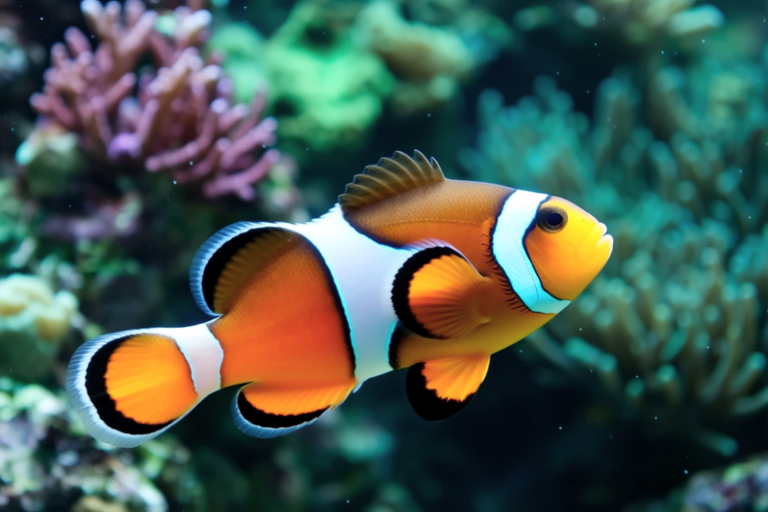
From Finding Nemo to Reality: What It’s Really Like to Own a Clownfish
The movie “Finding Nemo” captivated audiences worldwide, bringing the vibrant world of marine life into living rooms and hearts. One of the most beloved characters in this underwater adventure was the clownfish, or more specifically, Nemo. The film’s portrayal of these colorful, charismatic fish has led many people to dream of keeping them as pets. However, the reality of owning a clownfish is far more complex than what was depicted on the big screen. This article aims to demystify the experience of keeping a clownfish by exploring the necessary tank requirements, water conditions, diet, behavior, and the challenges that come with it.
The Popularity Surge
The release of “Finding Nemo” in 2003 ignited a wave of interest in marine aquariums and clownfish in particular. The movie’s charming portrayal of Nemo, a young clownfish, along with his adventures in the ocean, sparked a fascination with these fish among children and adults alike. As a result, there was a significant increase in demand for clownfish in pet stores and online retailers. This surge in popularity has led many enthusiasts to consider adding these fish to their home aquariums.
Tank Requirements
Owning a clownfish requires careful consideration of tank size and setup. Clownfish thrive in well-maintained saltwater aquariums, which need to be large enough to accommodate their active swimming patterns. A minimum tank size of 30 gallons is recommended for a single clownfish, but ideally, a 55-gallon tank or larger is preferable to allow for growth and additional species if desired. The tank should have ample hiding spots, such as live rock or artificial caves, to mimic their natural habitat.
Water Conditions
Maintaining optimal water conditions is crucial for the health and longevity of your clownfish. Saltwater tanks require precise monitoring of parameters such as salinity, pH, temperature, and ammonia levels. Salinity should be maintained between 1.020 and 1.025 specific gravity, while pH levels should range from 8.1 to 8.4. Temperature stability is also important; aim for a steady temperature of around 76 to 82 degrees Fahrenheit. Regular testing and partial water changes are essential to ensure a healthy environment.
Diet and Feeding
Clownfish are omnivorous, meaning they consume both plant and animal matter. In the wild, their diet consists of algae, zooplankton, and small crustaceans. In captivity, they can be fed a variety of prepared foods including flakes, pellets, and frozen or freeze-dried foods. A balanced diet should include a mix of meaty foods like brine shrimp and mysis shrimp, as well as algae-based foods to replicate their natural diet. Feeding once or twice daily is sufficient, ensuring that you do not overfeed to prevent water quality issues.
Behavior and Interaction
Clownfish are known for their bold and curious personalities. They are generally peaceful and can coexist with other non-aggressive fish, though they can become territorial when breeding. These fish are often found in pairs or groups in the wild, associating closely with sea anemones. In captivity, however, they may not necessarily need an anemone to thrive, but providing one can enhance their comfort and mimic their natural environment. Anemones can be challenging to keep alive in a tank, so careful research and preparation are advised.
Challenges for New Owners
While clownfish are relatively hardy compared to some saltwater species, they still present unique challenges for new owners. One of the biggest hurdles is maintaining stable water conditions. Saltwater aquariums require more frequent maintenance and monitoring than freshwater setups. Additionally, clownfish can be sensitive to sudden changes in their environment, so acclimation is key when introducing them to a new tank. Another challenge is providing a balanced diet and ensuring the tank is free from harmful substances like ammonia.
Advice for Potential Owners
If you’re considering adding a clownfish to your aquarium, take the time to educate yourself about their care requirements. Joining local aquarium clubs or online forums can provide valuable insights and support. It’s also wise to consult with experienced aquarists who can offer guidance based on their firsthand experiences. Remember, owning a clownfish is a long-term commitment that requires dedication to their well-being.
In conclusion, while the charm of “Finding Nemo” may have piqued your interest in clownfish, it’s important to approach the decision of owning one with caution and thorough preparation. By understanding the specific needs of these fish and committing to their care, you can provide a happy and healthy home for your clownfish. With the right setup and attention to detail, your clownfish will bring joy and wonder to your aquarium for years to come.
