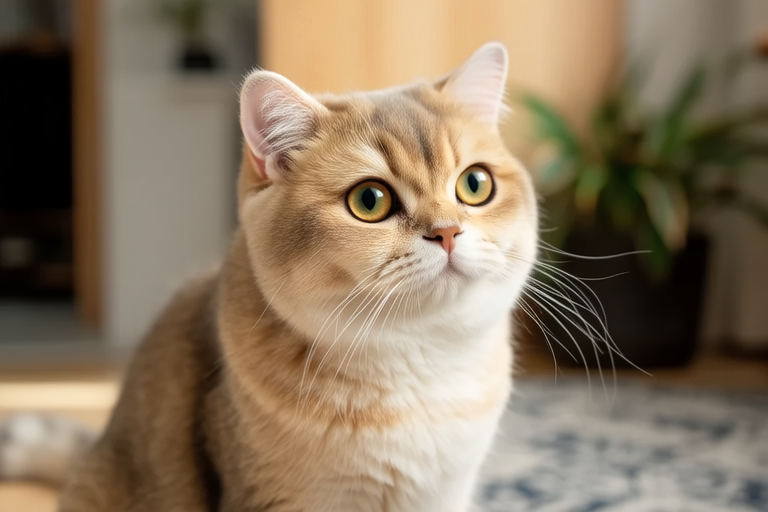
Golden British Shorthairs: The Ultimate Guide to Fluffy Feline Companions
Welcome to the world of Golden British Shorthairs, one of the most beloved and charming cat breeds. Known for their luxurious golden coats and gentle dispositions, these felines have captured the hearts of many pet lovers around the globe. This comprehensive guide will help you understand everything about these fluffy feline companions, from their unique physical characteristics to their dietary needs and how to create a stimulating environment for them.
Introduction: The Unique Charm and Popularity of Golden British Shorthairs
The Golden British Shorthair is a breed that stands out not just because of its striking appearance but also due to its friendly and laid-back nature. Their golden coats, which can range from a light cream to a rich, deep gold, give them a regal and majestic look. These cats are popular among families and individuals alike, offering companionship without demanding constant attention. Their adaptability and calm demeanor make them perfect for households with children or other pets.
Physical Characteristics
Golden British Shorthairs are medium to large-sized cats with a robust, muscular build. They have broad heads, round faces, and prominent cheeks, giving them a sweet and innocent expression. Their eyes are typically a deep blue, which contrasts beautifully against their golden fur. The coat of a Golden British Shorthair is short, dense, and plush, providing a soft and luxurious texture. Their coats require minimal grooming, making them an ideal choice for those who prefer low-maintenance pets.
Temperament
One of the standout features of Golden British Shorthairs is their temperament. They are known for being affectionate, patient, and calm. These cats enjoy the company of their owners but are not overly demanding. They are equally comfortable lounging on the couch as they are playing with interactive toys. Their friendly nature makes them excellent companions for people of all ages, including children and elderly individuals.
Grooming Needs
Despite their plush coats, Golden British Shorthairs do not require extensive grooming. A weekly brushing session with a soft brush is usually sufficient to keep their fur looking healthy and shiny. Regular brushing also helps to remove loose hair and prevent matting. It’s important to check their ears and teeth regularly and clean them as needed. Maintaining good oral hygiene is crucial to their overall health and well-being.
Health Considerations
Golden British Shorthairs are generally healthy cats, but like all breeds, they may be prone to certain health issues. Regular veterinary check-ups are essential to monitor their health and catch any potential problems early. Some common health concerns include dental disease, obesity, and respiratory infections. Providing a balanced diet and maintaining a healthy weight can help prevent many of these issues.
Dietary Requirements
A balanced diet is crucial for the health and longevity of your Golden British Shorthair. High-quality cat food that meets their nutritional needs should be provided. Look for foods that contain high-quality proteins and essential vitamins and minerals. Fresh water should always be available. Avoid feeding them human food, especially items that can be harmful to cats such as chocolate, onions, and garlic. Treats should be given sparingly to avoid overfeeding and subsequent health issues.
Common Behaviors
Golden British Shorthairs are known for their playful yet calm demeanor. They enjoy interactive play sessions with their owners, which can help maintain their mental and physical fitness. They are also known for their love of napping, often curling up in cozy spots around the house. These cats tend to be vocal but not excessively so, communicating primarily through soft meows. Understanding and responding to their communication can strengthen the bond between you and your pet.
Choosing the Right Accessories and Toys
Selecting appropriate accessories and toys is key to keeping your Golden British Shorthair happy and entertained. Soft, plush toys are great for cuddling and napping, while interactive toys that encourage play can help stimulate their minds and bodies. Cat trees and scratching posts are essential for their claw maintenance and provide them with places to climb and perch. Consider investing in a comfortable bed and a variety of scratching surfaces to ensure they have everything they need for a happy life.
Creating a Stimulating Environment
To foster a strong bond with your Golden British Shorthair, it’s important to create a stimulating environment that encourages interaction and play. Set aside time each day for play sessions, and engage with your cat using toys that challenge their natural instincts. Provide plenty of climbing and perching opportunities, and ensure there are safe spaces where they can retreat when they want some alone time. Creating a routine that includes playtime, grooming, and cuddles will help strengthen the connection between you and your pet.
Tips for First-Time Owners
If you’re new to owning a Golden British Shorthair, here are a few tips to help you get started:
- Research thoroughly before bringing your cat home.
- Prepare a comfortable space with necessary supplies before your cat arrives.
- Establish a routine that includes playtime, grooming, and feeding.
- Be patient and allow your cat time to adjust to its new surroundings.
- Consult with a veterinarian about vaccinations and regular check-ups.
Conclusion
Golden British Shorthairs are truly remarkable companions, offering a perfect blend of beauty, intelligence, and affection. By understanding their physical and emotional needs, you can ensure a long and fulfilling relationship with your feline friend. With proper care, attention, and love, your Golden British Shorthair will bring joy and comfort to your home for years to come.
