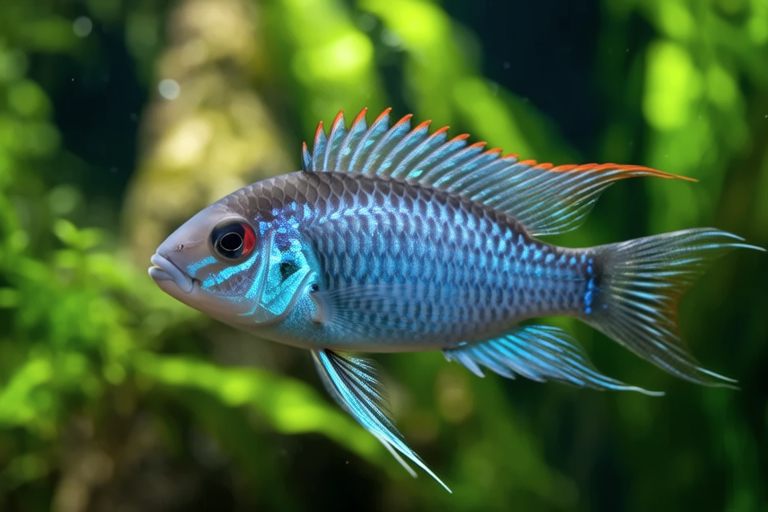
Rajah Cichlid: The Ultimate Guide for First-Time Fishkeepers
Welcome to the world of cichlids! If you’re a first-time fishkeeper looking for a challenge that will bring you joy and satisfaction, the Rajah Cichlid might be the perfect choice for your aquarium. This comprehensive guide will walk you through everything you need to know about Rajah Cichlids, from their origin to tank setup, water conditions, diet, breeding habits, and common health issues.
Origin and Overview
The Rajah Cichlid, scientifically known as Aequidens rivulatus, originates from the rivers and streams of Guyana and Suriname in South America. These fish are known for their vibrant colors and striking patterns, which can include shades of blue, green, and yellow. Males typically display more vivid colors compared to females, making them a popular choice among aquarists who appreciate the aesthetics of their fish.
Ideal Tank Setup
Setting up the right environment for your Rajah Cichlids is crucial for their health and well-being. Here’s what you need to consider:
- Tank Size: A minimum tank size of 75 gallons (324 liters) is recommended for a pair or small group of Rajah Cichlids. Larger tanks provide more swimming space and reduce stress, which is important for these active fish.
- Filtration: Efficient biological filtration is necessary to maintain water quality. Canister filters or hang-on-back filters are good options. Ensure the filter flow rate is strong enough to handle the tank volume but gentle enough not to disturb the fish.
- Substrate: Use fine sand or small gravel as substrate. Avoid sharp-edged substrates that could injure the fish.
- Hiding Spots: Provide plenty of hiding spots with rocks, caves, and driftwood. These will help reduce stress and provide areas for the fish to establish territories.
- Plants: Live plants such as Amazon swords, Java ferns, and Anubias can enhance the aesthetic appeal of the tank and offer additional shelter. However, Rajah Cichlids may uproot plants, so choose sturdy species.
Water Parameters
Maintaining appropriate water parameters is key to ensuring your Rajah Cichlids thrive:
- Temperature: Keep the water temperature between 75°F and 82°F (24°C and 28°C).
- pH Level: Aim for a pH range of 6.0 to 7.0. Rajah Cichlids prefer slightly acidic to neutral water.
- Hardness: Water hardness should be kept between 4 and 12 dGH. Soft water is ideal.
- Ammonia and Nitrite: Maintain zero levels of ammonia and nitrite. High levels can be toxic to the fish.
- Nitrate: Keep nitrate levels below 20 ppm. Regular partial water changes are essential to control nitrates.
Diet Requirements
Rajah Cichlids are omnivorous and require a balanced diet:
- Protein Sources: Feed them high-quality pellets designed for cichlids. Supplement with frozen or live foods like bloodworms, brine shrimp, and daphnia.
- Vegetable Matter: Offer vegetables such as blanched spinach, peas, and zucchini. Vegetables should make up about 20% of their diet.
- Feeding Schedule: Feed your Rajah Cichlids twice daily. Offer only as much food as they can consume within a few minutes to prevent overfeeding.
Breeding Habits
Rajah Cichlids are known for their complex breeding behaviors:
- Pair Formation: Rajah Cichlids form monogamous pairs. Once paired, they become very territorial and aggressive towards other fish.
- Nest Building: They will dig pits in the substrate to lay eggs. The female lays around 100-200 eggs, which both parents guard fiercely.
- Egg Care: Both parents fan the eggs to ensure proper oxygenation and protect them from fungus. After hatching, the fry are moved to pits where they are cared for by both parents until they can fend for themselves.
- Separating Fry: Once the fry are free-swimming, it’s advisable to separate them into a rearing tank to avoid cannibalism by the parents or other adult fish.
Common Health Issues
Like any other fish, Rajah Cichlids can suffer from various health problems:
- Fungal Infections: Fungus can grow on damaged fins or scales. Treat with antifungal medications.
- Ich: Ich, or white spot disease, appears as tiny white spots on the fish. Increase water temperature to 86°F (30°C) and treat with ich medication.
- Fin Rot: Caused by poor water quality or physical damage, fin rot leads to frayed or disintegrating fins. Improve water quality and use antibiotics if necessary.
- Swim Bladder Disorder: This condition affects the fish’s ability to swim properly. It can be caused by overfeeding or constipation. Fast the fish for a day and then feed them boiled peas.
Tips for Maintaining a Healthy Environment
Here are some tips to keep your Rajah Cichlids healthy and happy:
- Regular Water Changes: Perform weekly water changes of about 20-30% to maintain water quality.
- Monitor Water Parameters: Use test kits to regularly check the water parameters and make adjustments as needed.
- Provide a Varied Diet: Rotate different types of food to ensure a balanced diet.
- Observe Behavior: Watch for signs of stress or illness. Early detection can lead to quicker treatment.
- Reduce Stress: Minimize sudden changes in water parameters and avoid overcrowding the tank.
Conclusion
Caring for Rajah Cichlids requires dedication and attention to detail, but the rewards are well worth it. With the right setup, diet, and care, you can enjoy the beauty and behavior of these fascinating fish. Remember, every fish is unique, so take the time to understand the specific needs of your Rajah Cichlids and adjust your care accordingly. Happy fishkeeping!
