5 Fascinating Facts About Coral Shrimp You Didn’t Know
Coral shrimp, with their vibrant colors and fascinating behaviors, are some of the most captivating creatures that inhabit our oceans. These tiny crustaceans are not only visually stunning but also play crucial roles within their ecosystems. Dive into the underwater world and discover five intriguing facts about coral shrimp that will leave you amazed.
Fact 1: Coral Shrimp Are Masters of Camouflage
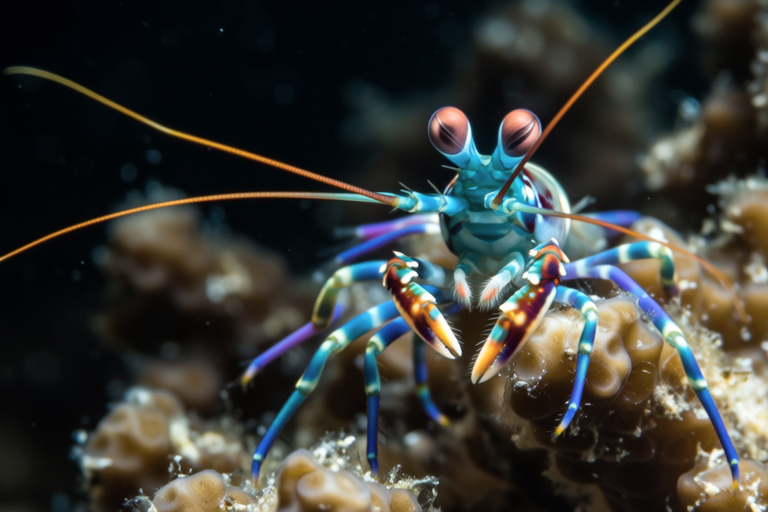
One of the most remarkable aspects of coral shrimp is their ability to blend seamlessly into their environment. Their bright hues, which can range from electric blues to vivid pinks, serve as more than just eye candy; they act as a form of camouflage. The coloration helps them hide among the corals, making it easier for them to avoid predators while hunting for food. This adaptation is particularly useful in the bustling reef environments where visibility can be limited.
These shrimp often reside in areas teeming with life, where they feed on algae and small particles of organic matter. By matching the colors of their surroundings, coral shrimp ensure their survival in one of nature’s most competitive habitats. Their color-changing abilities are not just for protection; they also play a role in communication, signaling to potential mates or rivals during mating season.
Fact 2: Coral Shrimp Have Symbiotic Relationships
Coral shrimp are not solitary creatures. They engage in symbiotic relationships with various marine organisms, including certain species of fish and even corals themselves. One notable partnership involves cleaner shrimp, which act as natural dentists for larger fish. These shrimp clean parasites, dead skin, and debris from the mouths and gills of fish, providing a vital service that benefits both parties. In return, the fish offer protection to the shrimp, ensuring their safety from predators.
This relationship highlights the intricate web of interactions within coral reefs. Cleaner shrimp not only maintain the health of their aquatic clients but also contribute to the overall balance of the ecosystem. By removing harmful substances, they prevent diseases from spreading and help keep the reef clean. Understanding these symbiotic relationships is essential for marine biologists studying reef dynamics and conservation strategies.
Fact 3: Coral Shrimp Are Highly Social Creatures
Beyond their symbiotic partnerships, coral shrimp are surprisingly social animals. They live in colonies, forming complex societies within the nooks and crannies of coral formations. These communities can consist of dozens of individuals working together to establish and maintain their territories. Communication within these groups is vital, and they use a combination of visual signals and chemical cues to interact.
The social structure of coral shrimp colonies is fascinating. There is often a hierarchy within the group, with dominant members taking on leadership roles. These leaders ensure that the colony remains organized and safe from external threats. Despite their small size, coral shrimp exhibit sophisticated social behaviors that mirror those found in larger animal societies. Observing these interactions provides valuable insights into the evolution of social structures in marine life.
Fact 4: Coral Shrimp Are Vital to Reef Health
Coral reefs are among the most diverse and productive ecosystems on Earth, and coral shrimp play a significant role in maintaining this delicate balance. As filter feeders, they consume vast amounts of plankton and detritus, helping to clear the water and reduce sedimentation. This cleaning process is crucial for the health of the corals, which rely on clear water to receive sunlight for photosynthesis.
In addition to their direct contributions to reef health, coral shrimp indirectly support the ecosystem by acting as prey for larger fish and other marine predators. This role ensures that energy flows efficiently through the food chain, sustaining the entire reef community. Their presence is a strong indicator of a healthy reef, as their populations tend to flourish when environmental conditions are favorable.
Fact 5: Coral Shrimp Are Under Threat
Despite their importance, coral shrimp face numerous challenges due to human activities such as overfishing, pollution, and climate change. Rising ocean temperatures and increased acidity levels caused by carbon emissions pose severe threats to coral reefs, which are the primary habitat for these shrimp. As reefs degrade, so too does the habitat available for coral shrimp to thrive.
The loss of coral reefs has far-reaching consequences for marine biodiversity, including the decline of coral shrimp populations. Conservation efforts aimed at protecting reefs are critical for preserving these vibrant ecosystems and the countless species that depend on them. By addressing the root causes of reef degradation, we can help ensure the survival of coral shrimp and other marine life.
Call to Action: Join the Fight for Marine Conservation
Understanding the fascinating lives of coral shrimp is just the beginning. To truly appreciate the beauty and complexity of our oceans, we must take action to protect them. Whether through supporting local conservation organizations, reducing plastic waste, or advocating for policies that safeguard marine environments, every effort counts. By learning more about marine conservation efforts, you can become part of the solution and help preserve the incredible diversity of life beneath the waves.
Together, we can make a difference and ensure that future generations have the opportunity to marvel at the wonders of coral shrimp and the countless other species that call the ocean home.
