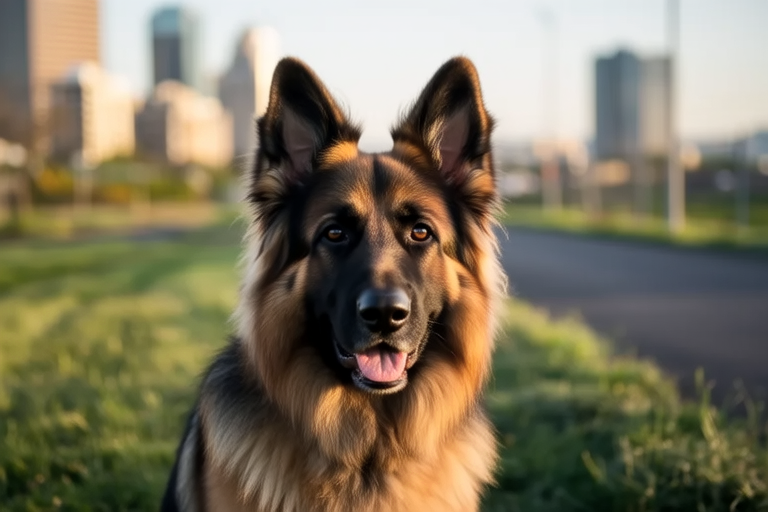
From Farm to City: How to Transition Your German Shepherd Comfortably
Welcome to this comprehensive guide designed to help you smoothly transition your German Shepherd from a farm environment to city living. This article will provide practical advice on adjusting their exercise routines, managing noise sensitivity, socializing them with urban wildlife and people, dietary considerations, and creating a safe home environment. We’ll emphasize the importance of patience and consistency during this transition period, ensuring that both you and your dog feel supported and reassured.
Understanding the German Shepherd’s Needs
German Shepherds are intelligent, loyal, and energetic dogs originally bred for herding. Their high energy levels and strong work ethic make them excellent companions in various environments. However, transitioning from a spacious farm to the more confined spaces of a city requires careful planning and consideration. Understanding your dog’s needs and adapting accordingly can ensure a smooth transition.
Adjusting Exercise Routines
One of the most significant changes your German Shepherd will face when moving from a farm to a city is the reduction in space available for running and playing. Farms typically offer vast open areas where these dogs can roam freely, but cities often have smaller parks or limited outdoor spaces. To keep your dog physically active and mentally stimulated, it’s crucial to establish a consistent exercise routine.
- Regular Walks: Daily walks are essential for your German Shepherd’s physical health. Aim for at least two 30-minute walks per day. These walks should include varied routes to stimulate their senses and prevent boredom.
- Interactive Play: Incorporate interactive play sessions using toys like fetch sticks or puzzle feeders. This helps maintain their mental agility and provides an outlet for excess energy.
- Agility Training: Consider enrolling your dog in agility classes. Agility training not only keeps them physically fit but also enhances their coordination and obedience.
- Swimming: If possible, introduce swimming as part of their exercise regimen. Swimming is an excellent low-impact activity that strengthens muscles without putting too much strain on joints.
Managing Noise Sensitivity
German Shepherds can be sensitive to loud noises, especially when they’re accustomed to the quieter rural environment of a farm. The city’s constant sounds—car horns, sirens, construction sites—can be overwhelming for your dog initially. Gradually exposing them to these stimuli in controlled settings can help desensitize them over time.
- Gradual Exposure: Start by taking short walks in busy areas during quiet times. Gradually increase the duration and intensity of exposure as your dog becomes more comfortable.
- Positive Reinforcement: Use treats and praise to reward calm behavior around loud noises. This positive reinforcement helps associate these sounds with pleasant experiences rather than fear.
- Sound Therapy: Introduce white noise machines or recordings of city sounds at home. Playing these sounds softly in the background while your dog relaxes can help them get used to the sounds gradually.
Socializing with Urban Wildlife and People
Your German Shepherd may encounter different types of animals and people in the city compared to what they experienced on the farm. Socializing them with urban wildlife and people is crucial for their well-being and safety.
- Urban Wildlife: Encourage your dog to meet squirrels, pigeons, and other city animals under controlled conditions. Keep them leashed and allow them to observe from a distance. Over time, they’ll become less reactive and more accepting of these encounters.
- People: Take your dog to public places such as cafes, parks, and markets. Allow them to interact with strangers in a controlled manner. Always maintain control over your dog and ensure they behave appropriately around others.
- Dog Parks: Visit local dog parks where your dog can socialize with other dogs. Supervise interactions closely and intervene if necessary to prevent conflicts.
Dietary Considerations
The dietary needs of your German Shepherd may change slightly when transitioning from farm life to city living. While their basic nutritional requirements remain the same, there are some adjustments you can make to support their overall health.
- High-Quality Dog Food: Choose a high-quality dog food that meets all of your German Shepherd’s nutritional needs. Look for foods that contain real meat as the primary ingredient and avoid those with fillers or artificial additives.
- Portion Control: Be mindful of portion sizes, especially if your dog is less active in the city. Obesity can lead to health issues, so monitor their weight and adjust feeding amounts accordingly.
- Hydration: Ensure your dog has access to clean drinking water at all times. Hydration is crucial for maintaining optimal health, particularly in warmer weather.
Creating a Safe Home Environment
Your home serves as a sanctuary for your German Shepherd, providing them with a sense of security and comfort. Creating a safe and welcoming environment is essential for their well-being.
- Fencing: If you have a yard, consider installing a secure fence to prevent your dog from wandering off. Check the fence regularly for any potential weak spots or openings.
- Childproofing: Ensure that your home is childproofed, especially if you have young children. Remove any small objects that could be swallowed and secure loose wires or cords.
- Safe Sleeping Area: Provide your dog with a comfortable sleeping area, such as a crate or bed. This designated space gives them a sense of ownership and security within the household.
- Toxic Substances: Keep toxic substances out of reach, including cleaning products, medications, and certain plants. Familiarize yourself with common household toxins and take appropriate precautions.
Patience and Consistency
Patience and consistency are key during the transition period. Your German Shepherd may exhibit signs of stress or anxiety as they adapt to their new surroundings. It’s important to remain patient and provide consistent care and support throughout this process.
- Stay Positive: Maintain a positive attitude and encourage your dog with gentle words and affection. This will help them feel more secure and confident in their new environment.
- Be Consistent: Stick to a regular schedule for feeding, walking, and playtime. Consistency helps your dog feel more at ease and establishes a routine they can rely on.
- Seek Professional Help: If your dog continues to show signs of distress or anxiety, consult with a professional trainer or veterinarian for additional guidance.
Conclusion
Transitioning your German Shepherd from a farm to city living can be a challenging but rewarding experience. By understanding their needs, adjusting exercise routines, managing noise sensitivity, socializing them with urban wildlife and people, considering dietary factors, and creating a safe home environment, you can ensure a smooth and successful transition. Remember to remain patient and consistent throughout this process. With time and effort, your German Shepherd will thrive in their new urban setting, bringing joy and companionship to your family.
