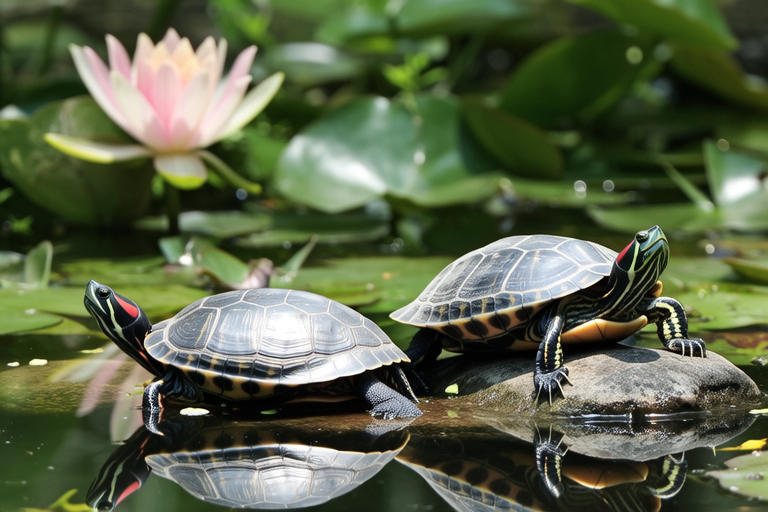
Transform Your Backyard Pond into a Paradise for Red-eared Sliders
Welcome to your guide on creating the perfect backyard pond for red-eared sliders (RES). These turtles are fascinating creatures that can bring life and joy to any outdoor space. With careful planning and thoughtful design, you can transform your backyard into a sanctuary that will make your RES feel right at home. Let’s dive into the details.
Selecting the Ideal Location for the Pond
The first step in creating a paradise for your red-eared sliders is choosing the perfect spot for their pond. The location should be sunny but protected from strong winds. A minimum of six hours of sunlight daily is ideal for basking, which helps the turtles maintain their body temperature and aids in vitamin D synthesis through UVB exposure. Avoid placing the pond under trees, as fallen leaves can contaminate the water and create maintenance issues.
Necessary Dimensions and Depth
When it comes to size, bigger is better. For a single adult slider, aim for a pond with at least 30 square feet of surface area. For multiple sliders, increase the size accordingly. Depth is equally important; the pond should have varying depths to accommodate different activities. A shallow end for basking and deep areas for swimming and diving is recommended. A depth of 18 to 24 inches is suitable for most adult sliders, but deeper sections can provide additional swimming room.
Filtration Systems
Maintaining clean water is crucial for the health of your sliders. Invest in a high-quality filtration system that suits the size of your pond. Filters should remove debris, control algae growth, and oxygenate the water. Regular cleaning of filters and skimmers is essential to keep the system running efficiently. Consider installing a biological filter that houses beneficial bacteria, helping to break down harmful waste products in the water.
Heating Solutions for Colder Climates
In colder regions, maintaining water temperature is vital. Red-eared sliders are ectothermic, meaning they rely on external sources to regulate their body temperature. Submersible heaters can help maintain a stable water temperature, especially during cooler months. It’s important to monitor the temperature closely and ensure it remains within the optimal range of 75-80°F (24-27°C).
Basking Areas
Basking is a critical part of a turtle’s daily routine. Providing a safe and comfortable basking area is essential. Use flat rocks or logs that allow the turtles to climb out of the water easily. Ensure these areas are large enough to accommodate all your sliders simultaneously without overcrowding. Position the basking area so it receives direct sunlight for several hours each day.
Plant Selection Beneficial for Sliders
Adding aquatic plants to your pond not only enhances its aesthetic appeal but also provides numerous benefits for your sliders. Plants like water lettuce, duckweed, and water hyacinth offer shade, hiding spots, and natural food sources. Floating plants such as water lilies and lotus provide cover from predators and contribute to water clarity by reducing algae growth. Additionally, certain plants like watercress can serve as a supplementary food source for your turtles.
Safety Measures to Prevent Predators
Protecting your red-eared sliders from potential predators is paramount. Secure the pond with a fence or netting to deter animals like raccoons, herons, and other wildlife. Installing motion-activated lights or sprinklers can also act as deterrents. If possible, locate the pond away from heavily trafficked areas to minimize the risk of disturbances.
The Importance of UVB Lighting for Vitamin D Synthesis
UVB lighting is essential for the synthesis of vitamin D in red-eared sliders. Vitamin D plays a crucial role in calcium absorption and bone health. While natural sunlight provides sufficient UVB radiation, it’s wise to supplement this with artificial UVB lamps, especially if your pond is located in a shaded area or during winter months when sunlight may be limited.
Tips for Maintaining Water Quality
Maintaining water quality is key to ensuring the health and longevity of your sliders. Regular water testing for pH, ammonia, nitrite, and nitrate levels is recommended. Perform partial water changes every two weeks, replacing about 20% of the water at a time. This helps dilute harmful substances and maintains a balanced ecosystem. Avoid using chlorinated tap water, as it can be harmful to your turtles. Instead, use dechlorinated water or let tap water sit for 24 hours before introducing it to the pond.
Gradual Acclimation for New Sliders
Introducing new sliders to their new environment requires patience and care. Gradually acclimate them to the pond over several days to reduce stress and minimize the risk of shock. Start by placing the turtles in a container filled with water from the pond for about 15 minutes. Over the next few days, slowly increase the duration until they are fully adjusted to the pond environment.
Ongoing Health Checks
Regular health checks are essential for monitoring the well-being of your red-eared sliders. Look for signs of illness such as lethargy, loss of appetite, swollen eyes, or abnormal skin patches. Keep a close eye on their shell condition, as soft or discolored shells can indicate underlying health issues. Consult a veterinarian specializing in reptiles if you notice any concerning symptoms.
Conclusion
Creating a backyard pond paradise for your red-eared sliders involves careful planning and attention to detail. By selecting the right location, providing adequate space and depth, installing proper filtration and heating systems, and ensuring safety measures, you can create an optimal habitat for your sliders. Remember to incorporate UVB lighting, maintain water quality, and perform regular health checks to ensure your turtles thrive in their new home. Enjoy the rewarding experience of watching your red-eared sliders flourish in their backyard oasis.
