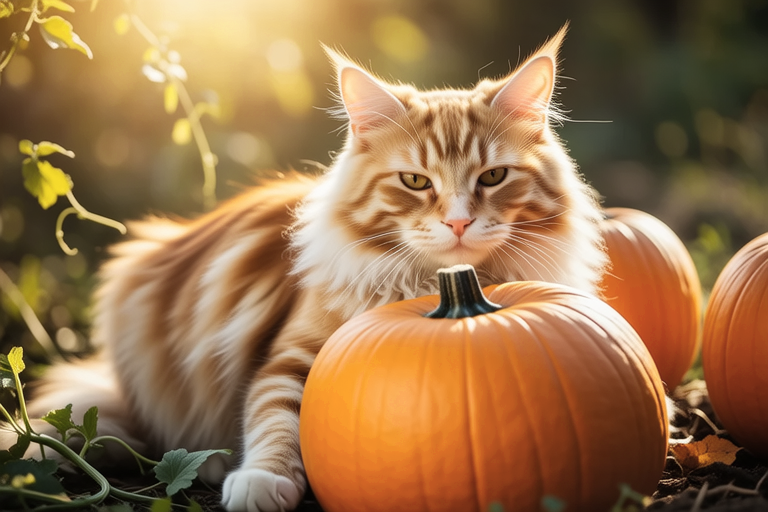
From Pumpkin Patch to Purrs: The Ultimate Guide to Orange Cats
Welcome to the vibrant world of orange cats! These feline friends, often likened to pumpkins or autumn leaves, have captured the hearts of many with their striking coats and charming personalities. Their popularity isn’t just skin-deep; these cats offer a delightful blend of playfulness, affection, and loyalty. This guide aims to provide you with all the information you need about orange cats, from understanding their various breeds and temperaments to caring for their health and happiness.
The Allure of Orange Cats
Orange cats, with their warm, sunlit hues, bring a sense of warmth and joy into any home. Their coats range from light cream to deep ginger, making each one unique. Their eyes, typically green or gold, add to their captivating appearance. Beyond their looks, these cats are known for their friendly nature and adaptability, making them ideal companions for families, singles, and seniors alike.
Varieties of Orange Cats
Orange cats come in many breeds, each with its own distinct characteristics. Some popular orange cat breeds include:
- Maine Coon: Known for their gentle demeanor and playful nature, Maine Coons are large, sociable cats that enjoy the company of humans and other pets.
- Abyssinian: These cats are active, intelligent, and love to explore. They are known for their sleek coats and expressive faces.
- Ragdoll: Ragdolls are famous for their docile nature and tendency to go limp when held, making them perfect lap cats.
- Bengal: With their striking coat patterns, Bengals are energetic and curious, often displaying behaviors similar to wild cats.
- British Shorthair: These cats are calm and easygoing, making them excellent companions for those seeking a laid-back pet.
Temperaments and Personalities
Orange cats generally possess friendly and outgoing personalities. However, their temperaments can vary based on breed and individual traits. For instance, while Maine Coons are social and interactive, Abyssinians tend to be more independent. Understanding your potential cat’s personality can help you choose the best match for your lifestyle.
Regardless of breed, most orange cats are affectionate and enjoy attention. They often form strong bonds with their owners, seeking out their company and affection. Their playful nature makes them great for households with children or other pets, provided proper introductions are made.
Health Considerations
Like any other breed, orange cats are susceptible to certain health issues. It’s important to be aware of these so you can provide the best care possible. Common health concerns for orange cats include:
- Obesity: Due to their often sedentary nature, especially in indoor environments, orange cats are prone to weight gain. Regular exercise and a balanced diet are essential to maintain a healthy weight.
- Dental Problems: Many cats suffer from dental issues such as gingivitis and periodontal disease. Regular brushing and professional cleanings can help prevent these problems.
- Hypertrophic Cardiomyopathy (HCM): This heart condition affects some orange cats, particularly males. Early detection through regular veterinary check-ups can improve prognosis.
- Feline Lower Urinary Tract Disease (FLUTD): This condition can cause discomfort and potentially serious complications. Providing access to fresh water and a litter box in a quiet area can help manage FLUTD.
Selecting the Right Orange Cat
Choosing the right orange cat involves considering several factors. Start by determining whether you prefer a kitten or an adult cat. Kittens are more energetic and require more time and effort but offer the satisfaction of watching them grow. Adult cats, on the other hand, are usually calmer and may already have established routines.
Next, consider the breed. If you’re looking for a cat that will follow you around and interact frequently, a breed like the Maine Coon might be ideal. For a more independent cat, an Abyssinian could be a better choice. Researching each breed’s specific needs and characteristics will help you find the perfect match.
Lastly, it’s crucial to visit the cat in its environment. Observe how the cat interacts with people and other animals. Spend time with the cat to ensure compatibility before making a decision.
Dietary Needs
Proper nutrition is vital for keeping your orange cat healthy and happy. A balanced diet should include high-quality protein, essential fats, vitamins, and minerals. Consult with your veterinarian to determine the appropriate diet for your cat based on age, activity level, and overall health.
Feeding schedules can vary depending on the cat’s age and metabolism. Generally, kittens require more frequent meals, while adult cats can be fed once or twice daily. Fresh water should always be available.
Avoid feeding your cat human food, as it can lead to obesity and other health issues. Treats should also be given sparingly to avoid overfeeding.
Grooming Requirements
Regular grooming helps maintain your orange cat’s coat and skin health. Brushing your cat weekly can reduce shedding and prevent hairballs. Use a soft-bristled brush or a comb designed for cats.
In addition to brushing, nail trimming, ear cleaning, and dental hygiene are essential. Trim nails every few weeks to prevent overgrowth and scratching damage. Clean ears gently with a cotton ball and a veterinarian-approved cleaner if necessary. Dental hygiene can be maintained through regular brushing or by providing chew toys and treats that promote oral health.
Maintaining Health and Happiness
To keep your orange cat healthy and happy, provide a stimulating environment that encourages physical and mental activity. Interactive toys, scratching posts, and climbing structures can help satisfy their natural instincts.
Schedule regular veterinary check-ups to monitor your cat’s health and address any concerns early. Vaccinations, flea prevention, and routine tests are important for maintaining good health.
Ensure your cat has a safe and comfortable living space. Provide a cozy bed, a clean litter box, and plenty of hiding spots. A consistent routine can also contribute to your cat’s well-being.
The Unique Personalities of Orange Cats
Orange cats are known for their unique personalities, which often reflect their playful, affectionate, and loyal nature. Their ability to form strong bonds with their owners makes them wonderful companions. Whether lounging in a sunny spot or engaging in playtime, orange cats bring joy and warmth to their homes.
Understanding and appreciating the special qualities of orange cats can enhance your relationship with your pet. By providing love, care, and attention, you can ensure that your orange cat leads a fulfilling and happy life.
Conclusion
From their captivating appearance to their charming personalities, orange cats truly stand out. Whether you’re a first-time cat owner or an experienced pet parent, adopting an orange cat can bring endless joy and companionship. By understanding their needs, providing proper care, and nurturing their unique qualities, you can ensure that your orange cat thrives. Embrace the journey of pumpkin patch to purrs, and enjoy the many adventures that await with your new feline friend.
