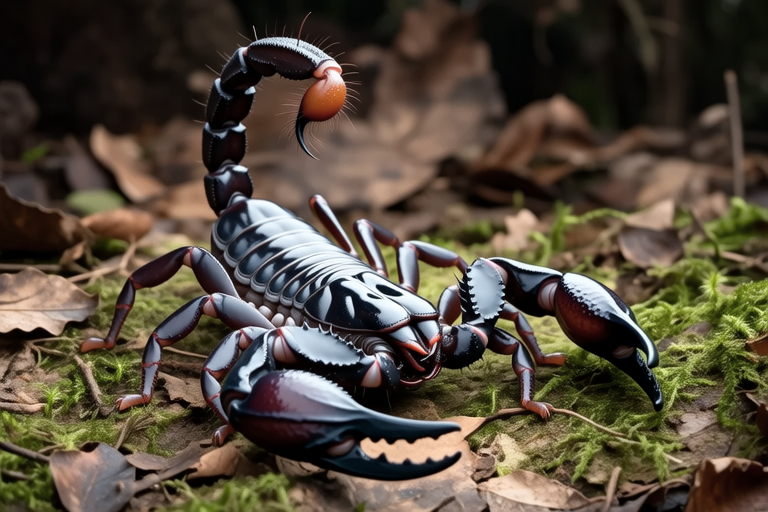
Top 10 Fascinating Facts About the Elusive Heterometrus Spinifer
The Heterometrus spinifer, commonly known as the Indian forest scorpion, is one of the most fascinating creatures in the world. This elusive scorpion is a marvel of nature, with a unique set of physical characteristics, behaviors, and adaptations that have intrigued scientists and nature enthusiasts alike. In this article, we will explore ten fascinating facts about the Heterometrus spinifer, providing you with a comprehensive understanding of this remarkable species.
1. Distinctive Physical Characteristics
The Heterometrus spinifer is characterized by its robust body structure and impressive size. Adults can grow up to 13 centimeters in length, making them one of the largest scorpions in the region. Their most striking feature is the presence of prominent spines on their pedipalps, which give them their name. These spines are not just for show; they play a crucial role in capturing prey and defending against predators. The coloration of these scorpions ranges from dark brown to black, providing excellent camouflage in their natural habitat.
2. Habitat and Distribution
This species is primarily found in the tropical rainforests of Southeast Asia, including countries such as India, Sri Lanka, and parts of Malaysia. They prefer humid environments with plenty of hiding spots, such as under rocks, logs, and leaf litter. The Heterometrus spinifer thrives in areas with dense vegetation, where they can find shelter and prey. Their adaptability to various microhabitats within their range makes them quite successful in their environment.
3. Nocturnal Behavior
The Heterometrus spinifer is strictly nocturnal, meaning they are active during the night and rest during the day. This behavior is a survival strategy that helps them avoid the heat of the day and potential predators. During the night, they emerge to hunt for food, which primarily consists of insects, spiders, and other small invertebrates. Their keen senses, particularly their ability to detect vibrations through their legs, allow them to locate prey even in low light conditions.
4. Unique Adaptations
One of the most remarkable adaptations of the Heterometrus spinifer is its venomous sting. The venom contains neurotoxins that paralyze prey, making hunting easier. While the venom is potent enough to subdue small animals, it is generally not lethal to humans. However, a sting can cause localized pain, swelling, and in some cases, allergic reactions. Another adaptation is their exoskeleton, which provides protection against both physical threats and environmental factors like dehydration.
5. Reproduction and Lifespan
The reproduction process of the Heterometrus spinifer involves complex courtship rituals. Males perform elaborate dances to attract females, and once mating occurs, the female carries the eggs internally until they hatch. After hatching, the young scorpions remain attached to the mother’s back for several days before dispersing. The average lifespan of this species is around five to seven years, but in captivity, they can live longer due to better care and fewer environmental stressors.
6. Role in the Ecosystem
The Heterometrus spinifer plays a vital role in maintaining the balance of their ecosystem. As predators, they help control populations of insects and other small invertebrates, preventing overpopulation and the subsequent depletion of resources. Additionally, they serve as a food source for larger predators, contributing to the overall biodiversity of their habitat. Their presence is an indicator of a healthy and diverse ecosystem.
7. Interaction with Humans
Despite their intimidating appearance, encounters between humans and Heterometrus spinifer are relatively rare. When they do occur, the scorpions usually try to avoid confrontation, and stings are more often the result of accidental contact. In rural areas where they are more common, local communities have developed various myths and superstitions surrounding these creatures. Some believe that their venom has medicinal properties, while others fear them as dangerous pests. However, these beliefs are largely unfounded, and proper education can help dispel such misconceptions.
8. Myth and Misconception
One prevalent myth about the Heterometrus spinifer is that their venom is highly toxic to humans. While their sting can be painful and uncomfortable, it is not typically life-threatening. Another misconception is that all scorpions glow under ultraviolet light. Although many species do exhibit this characteristic, it is not universal, and the intensity of the fluorescence can vary greatly among individuals.
9. Conservation Status
The conservation status of the Heterometrus spinifer is currently listed as least concern by the International Union for Conservation of Nature (IUCN). However, habitat destruction and fragmentation due to deforestation and urbanization pose significant threats to their populations. Efforts to protect their natural habitats and raise awareness about the importance of preserving these ecosystems are essential for ensuring the continued survival of this species.
10. Scientific Research and Future Prospects
Scientists continue to study the Heterometrus spinifer to gain a deeper understanding of their biology, behavior, and ecological significance. Ongoing research focuses on the composition and effects of their venom, potential medical applications, and the impact of environmental changes on their populations. With advancements in technology and increased interest in biodiversity, there is hope that future generations will have the opportunity to learn more about this enigmatic creature and appreciate its place in the natural world.
In conclusion, the Heterometrus spinifer is a truly remarkable species with many fascinating aspects that make it stand out in the animal kingdom. From its distinctive physical characteristics to its role in the ecosystem and interactions with humans, this scorpion continues to captivate and intrigue researchers and nature lovers alike. By learning more about these creatures, we can work towards preserving their habitats and ensuring their survival for future generations.
