How to Successfully Adopt and Thrive With a Chilean Rose Tarantula in Your Life
Introduction to Chilean Rose Tarantulas
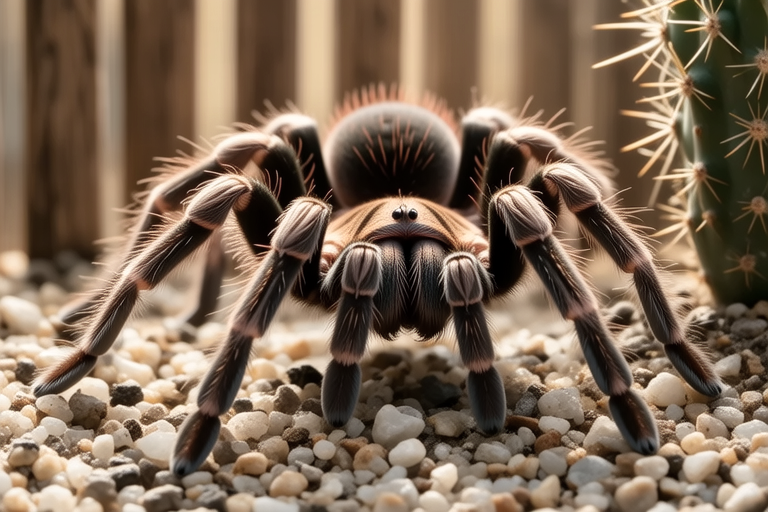
The Chilean Rose Tarantula, scientifically known as Grammostola rosea, is one of the most popular tarantulas among hobbyists due to its docile nature and vibrant coloration. Native to the arid regions of South America, this species is well-adapted to life in captivity. Their gentle demeanor makes them ideal pets for both beginners and seasoned enthusiasts.
Adoption Considerations
Before adopting a Chilean Rose Tarantula, it’s crucial to consider several factors. First, ensure you have the necessary time and resources to provide proper care. This includes financial commitment to their housing, diet, and potential veterinary care. Additionally, evaluate your living situation; some landlords may prohibit exotic pets. Finally, prepare yourself emotionally for the commitment, understanding that these creatures can live up to 20 years.
Setting Up the Perfect Habitat
A well-designed habitat is key to your tarantula’s health and happiness. Use a glass or plastic enclosure with secure ventilation. The size should be appropriate, typically around 10 gallons for adults. Provide substrate like coconut fiber or bark chips for burrowing. Add hiding spots such as cork bark or half logs to mimic their natural environment. Maintain humidity levels between 50% and 70% and temperatures ranging from 75°F to 85°F.
Dietary Needs
Chilean Rose Tarantulas primarily feed on crickets, but they also enjoy other insects like mealworms and dubia roaches. Offer prey items every week for juveniles and bi-weekly for adults. Gut-load feeder insects with nutritious foods before offering them to your tarantula to enhance their nutritional value. Always remove uneaten prey after a few hours to prevent stress or injury to your pet.
Handling and Interaction Guidelines
While Chilean Rose Tarantulas are generally calm, they are not recommended for frequent handling. Handling should only occur when necessary and with proper technique. Gently scoop your tarantula from below using a soft, flat object. Avoid sudden movements and always support their body. If your tarantula flicks urticating hairs (a defense mechanism), handle them gently until the irritation subsides.
Health Monitoring Tips
Common Myths Debunked
Myth 1: Tarantulas are aggressive and dangerous. While they can bite if threatened, their venom is mild and comparable to a bee sting. Myth 2: They require minimal care. Proper care involves regular feeding, maintaining a suitable environment, and monitoring health. Myth 3: All tarantulas are nocturnal. While many are, Chilean Rose Tarantulas are crepuscular, active during dawn and dusk.
Advice for Thriving Cohabitation
To thrive alongside your Chilean Rose Tarantula, establish a routine. Feed them at the same time each week, and clean their enclosure regularly. Engage with them by observing their behaviors and learning about their unique characteristics. Joining local or online communities can provide additional support and knowledge. Remember, patience and respect are key to building a harmonious relationship with your tarantula.
By following these guidelines, you’ll create a nurturing environment for your Chilean Rose Tarantula, ensuring both your enjoyment and their well-being. Embrace the responsibility and reward of caring for these fascinating creatures.
