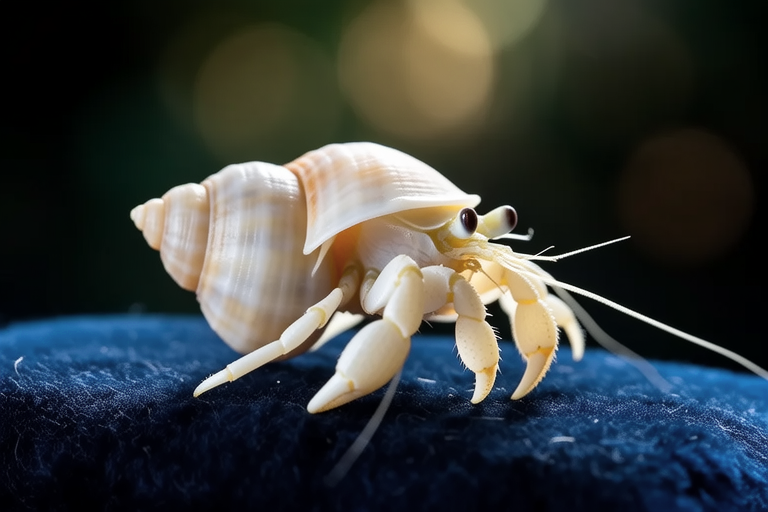
The Fascinating Pea Crab: A Hidden Gem of Marine Biodiversity
Imagine a tiny crab, no bigger than a peanut, navigating the intricate world of the ocean’s intertidal zones. This diminutive creature is the pea crab (Pinnotheres), a remarkable species that has adapted to live within the confines of larger organisms, showcasing an extraordinary symbiotic relationship. Let us dive into the captivating realm of this petite crustacean, exploring its unique characteristics, adaptations, and the delicate balance it maintains with its marine neighbors.
A Small but Mighty Species
Pea crabs are among the smallest true crabs in the world, typically measuring less than an inch in length. Their compact size allows them to fit snugly inside their hosts, such as sea anemones, barnacles, and even some mollusks. Despite their diminutive stature, these crabs possess powerful claws relative to their body size, which they use for defense and feeding. The pea crab’s carapace, or shell, is often translucent, allowing light to pass through and giving the crab a ghostly appearance. This transparency serves as camouflage, helping them blend seamlessly into their host’s environment.
Habitat and Hosts
Pea crabs inhabit coastal waters worldwide, from shallow tide pools to deeper reefs. They are particularly fond of rocky shores, where their hosts thrive. These crabs have developed a unique strategy for survival by living inside the bodies of larger marine animals. Their hosts include sea anemones, barnacles, and certain bivalve mollusks like clams and mussels. By residing within these hosts, pea crabs gain protection from predators and access to food resources, while their hosts benefit from the crabs’ cleaning activities.
Dietary Preferences
Pea crabs are omnivores, feeding on a variety of food sources within their hosts. They primarily consume small planktonic organisms, detritus, and the eggs of their hosts. In the case of barnacles, the crabs can also feed on the barnacle’s reproductive tissues, including eggs and sperm. This dietary flexibility enables pea crabs to thrive in diverse environments, ensuring their survival even when food is scarce.
Symbiotic Relationships
The most fascinating aspect of pea crab biology lies in their symbiotic relationships with their hosts. Pea crabs and their hosts engage in a mutually beneficial partnership known as commensalism, where one organism benefits while the other remains unaffected. For instance, when pea crabs reside within sea anemones, they receive protection from predators and a steady supply of food. In return, the crabs help clean the anemone by removing debris and parasites, thus promoting the health of their host.
Similarly, when pea crabs live inside barnacles, they assist in maintaining the cleanliness of the barnacle’s interior chamber. This cleaning behavior not only benefits the barnacle but also aids the crabs in acquiring nutrients. Interestingly, the presence of pea crabs can influence the growth and reproduction of their hosts. For example, studies have shown that barnacles hosting pea crabs tend to grow faster and produce more offspring compared to those without crab inhabitants.
Behavior and Reproduction
Pea crabs exhibit fascinating behaviors that contribute to their survival and reproduction. Males and females of this species engage in courtship rituals, which involve intricate dance-like movements. Once mating occurs, the female carries her fertilized eggs under her abdomen until they hatch. The newly hatched larvae, called zoeae, are planktonic and drift with ocean currents before settling on suitable hosts. This life cycle ensures the dispersal of pea crabs across various marine habitats, increasing their chances of survival.
During their early stages of development, pea crab larvae undergo several molts, transforming from tiny, free-swimming forms into adult crabs capable of inhabiting their hosts. This metamorphosis is crucial for their adaptation to life within the confines of another organism. Once fully grown, pea crabs continue to molt periodically throughout their lives, shedding their exoskeletons to accommodate growth. This process is essential for their continued survival and reproductive success.
Threats to Survival
Despite their remarkable adaptations, pea crabs face numerous challenges that threaten their survival. Human activities, such as overfishing and pollution, impact the health of marine ecosystems and, consequently, the availability of suitable hosts for pea crabs. Climate change also poses a significant threat, as rising sea temperatures and ocean acidification can alter the distribution and abundance of their hosts. Additionally, the introduction of invasive species can disrupt the delicate balance of marine ecosystems, potentially displacing native pea crabs and their hosts.
Conservation Efforts
To ensure the continued existence of pea crabs and their vital role in marine ecosystems, conservation efforts must be prioritized. Protecting coastal habitats, reducing pollution, and mitigating the effects of climate change are essential steps in safeguarding the future of these tiny crustaceans. Supporting sustainable fishing practices and promoting marine protected areas can also help maintain healthy populations of pea crabs and their hosts.
Furthermore, increased awareness and education about the importance of marine biodiversity can inspire individuals and communities to take action. By understanding the intricate relationships between different species, we can foster a greater appreciation for the interconnectedness of marine life and the critical role that each organism plays in maintaining ecosystem balance.
Call to Action
The pea crab is a testament to the wonders of marine biodiversity, showcasing the incredible adaptations and relationships that exist within our oceans. As stewards of the Earth, it is our responsibility to protect these hidden gems and ensure their survival for generations to come. By supporting conservation initiatives, reducing our environmental footprint, and advocating for marine protection, we can help preserve the delicate balance of marine ecosystems and the myriad of life they support.
Join us in exploring the fascinating world of marine biodiversity and discover the incredible stories behind the creatures that call our oceans home. Together, let us work towards a sustainable future where all species, great and small, can thrive in harmony with their environments.
