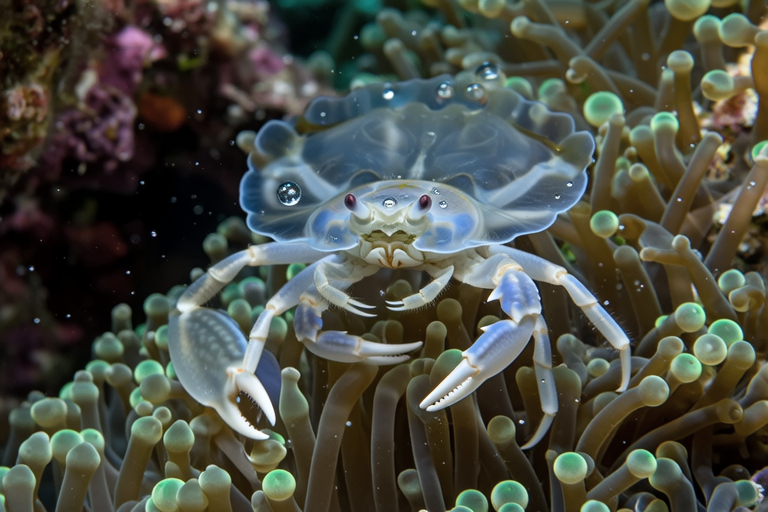
Pea Crabs: Tiny Titans of the Marine World
Welcome to the fascinating world of pea crabs! These diminutive crustaceans, named for their resemblance to garden peas, are not only adorable but also play crucial roles within marine ecosystems. Despite their small size, pea crabs have complex lives, intricate relationships, and significant impacts on the ocean’s health. Let’s dive into the wonders of these remarkable creatures.
The Size and Habitat of Pea Crabs
Pea crabs are among the smallest true crabs, typically ranging from 5 to 25 millimeters in length. Their petite stature allows them to thrive in a variety of marine environments, from shallow coastal waters to deep-sea habitats. They can be found in oceans around the globe, from the chilly waters of the Arctic to the warm tropical seas. These adaptable creatures often inhabit protected areas such as seagrass beds, mangroves, and coral reefs, where they find shelter and food.
Symbiotic Relationships
One of the most fascinating aspects of pea crabs is their symbiotic relationships with other sea creatures. They have developed a unique partnership with sea anemones, where both parties benefit from each other. The pea crab takes refuge inside the anemone’s tentacles, which provide protection from predators. In return, the pea crab’s presence deters potential predators from attacking the anemone. This mutually beneficial relationship ensures the survival of both species.
Pea crabs also form similar symbiotic bonds with barnacles. Inside the protective shell of the barnacle, the pea crab finds a safe haven, while its presence helps deter parasites that might otherwise infect the barnacle. This relationship exemplifies the intricate web of interdependence within marine ecosystems, where even the smallest organisms play vital roles.
Anatomy and Reproduction
Despite their small size, pea crabs possess a complex anatomy that enables them to survive and thrive in their aquatic environment. Like other crabs, they have a hard exoskeleton that protects their soft internal organs. Their bodies are divided into several segments, including the cephalothorax (head and thorax fused together) and the abdomen. They have five pairs of legs, with the first pair modified into claws used for grasping and defense.
Pea crabs reproduce through external fertilization. Males release sperm into the water, where it meets the eggs released by females. Once fertilized, the eggs develop into larvae, which drift through the water column before settling on a host organism. This reproductive strategy ensures genetic diversity and increases the chances of successful offspring.
Unique Behaviors
Pea crabs exhibit some unique behaviors that set them apart from other crustaceans. For instance, they are known for their ability to change color to match their surroundings, providing excellent camouflage against potential predators. Additionally, they display remarkable agility and speed when navigating their hosts, allowing them to quickly move between different parts of the host organism.
Threats and Conservation Efforts
Like many marine species, pea crabs face numerous threats in the wild. Pollution, overfishing, and climate change pose significant challenges to their survival. Pollution can contaminate their habitats, affecting the availability of food and clean water. Overfishing disrupts the balance of marine ecosystems, potentially reducing the number of suitable hosts for pea crabs. Climate change, with its warming waters and acidification, can alter the chemistry of the ocean, making it harder for these tiny creatures to thrive.
To address these challenges, various conservation efforts are underway. Marine protected areas (MPAs) help preserve critical habitats for pea crabs and other marine life. By limiting human activities in these areas, MPAs allow ecosystems to recover and flourish. Additionally, research initiatives focus on understanding the specific needs of pea crabs and developing strategies to protect them. Public awareness campaigns aim to educate people about the importance of these creatures and encourage responsible behavior, such as proper waste disposal and sustainable fishing practices.
The Importance of Pea Crabs for Marine Biodiversity
Understanding pea crabs is essential for maintaining healthy marine ecosystems. As symbionts, they contribute to the overall health of their hosts and play a role in controlling parasite populations. Moreover, they serve as indicators of ecosystem health; declines in pea crab populations could signal broader issues within marine environments. By studying these tiny creatures, scientists gain valuable insights into the complex relationships that sustain life in the oceans.
In conclusion, pea crabs are more than just small, charming crustaceans. They are integral components of marine ecosystems, influencing the health and balance of their environments. Their symbiotic relationships, unique behaviors, and contributions to biodiversity highlight the importance of protecting these fascinating creatures. As we continue to explore and understand the mysteries of the ocean, let us remember the significance of every organism, no matter how small, in preserving the delicate balance of life beneath the waves.
