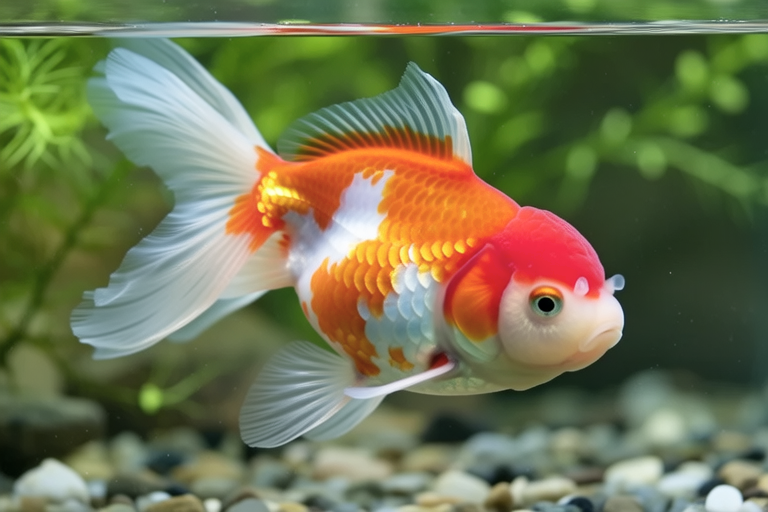
Goldfish Behavior Decoded: Understanding Your Pet’s Every Move
Welcome to the fascinating world of goldfish! These vibrant, hardy creatures have captivated pet owners for centuries. By understanding their behavior, you can ensure that your goldfish lead happy, healthy lives. This guide will introduce you to basic goldfish care, their natural habitat, common behaviors, and how to maintain a thriving aquarium.
Basic Goldfish Care and Natural Habitat
Goldfish require specific conditions to thrive. They need clean water, a suitable tank size, and a balanced diet. A single goldfish requires at least 20 gallons of water, and each additional fish needs another 10 gallons. Water temperature should be between 68°F and 74°F, with a pH level around 7.0 to 8.0. Regular water changes are crucial, as goldfish produce a lot of waste. Test kits are available to monitor water quality.
In the wild, goldfish live in slow-moving rivers, streams, and ponds. They are omnivorous, feeding on plants, insects, and small crustaceans. In captivity, they thrive on a varied diet including flakes, pellets, and occasional treats like bloodworms or brine shrimp. Feed them small portions twice daily, removing any uneaten food after five minutes to prevent pollution.
Common Behaviors and Their Meanings
Swimming Patterns
Goldfish exhibit various swimming patterns, each with its own significance. Normal swimming involves steady, graceful movements. If your goldfish is darting rapidly from one side of the tank to the other, it may be stressed or excited. On the other hand, lethargic swimming could indicate illness or poor water quality.
Eating Habits
Healthy goldfish eat eagerly, often chasing food with enthusiasm. If they lose interest in food or refuse to eat altogether, this could signal a problem. Check water quality, temperature, and diet. Sometimes, introducing new foods or changing the feeding routine can reignite their appetite.
Responses to Stimuli
Goldfish respond to their environment in unique ways. When approached, they may swim closer to the surface or hide behind plants. This shows curiosity and awareness of their surroundings. They also react to sound; tapping on the tank might elicit a curious response or cause them to retreat. Observing these reactions can help you understand your goldfish’s comfort levels.
Interacting with Your Goldfish
Building a bond with your goldfish takes time and patience. Spend a few minutes every day near the tank, talking softly or gently tapping the glass. Over time, your goldfish may become accustomed to your presence and even approach the front of the tank when you’re nearby. Avoid sudden movements or loud noises, as these can startle them.
To further engage with your goldfish, consider adding interactive elements to their environment. Floating toys or gentle bubbles can stimulate their senses. Some goldfish enjoy chasing bubbles or playing with floating objects. Be cautious, though, as some toys may pose choking hazards.
Enriching Your Goldfish’s Environment
A well-designed aquarium enhances your goldfish’s well-being. Provide ample space for swimming and hiding. Incorporate a variety of plants, both real and artificial, to create a stimulating environment. Real plants offer oxygen and shelter, while artificial ones add color and structure.
Goldfish are social animals and often enjoy the company of their own kind. However, overcrowding can lead to stress and disease. Introduce tank mates gradually and monitor interactions closely. Suitable companions include other goldfish or peaceful community fish like guppies or platies.
Maintaining a Healthy Aquarium
Regular maintenance ensures a healthy living environment for your goldfish. Perform weekly water changes, cleaning the gravel and filter. Monitor water parameters regularly using test kits. Ensure proper filtration and aeration to keep the water clean and oxygenated.
Proper nutrition is vital for goldfish health. A balanced diet includes high-quality flake or pellet food supplemented with fresh vegetables and occasional treats. Avoid overfeeding, as excess food can pollute the water and harm your fish.
Fostering a Strong Bond
The key to a strong bond with your goldfish lies in consistent interaction and care. Spend time observing them daily, noting their behavior and preferences. Respond to their needs promptly, adjusting the environment as necessary. By providing a nurturing, stimulating environment and regular interaction, you can foster a deep connection with your aquatic pets.
In conclusion, understanding goldfish behavior is essential for their health and happiness. By providing the right care, enriching their environment, and interacting thoughtfully, you can ensure that your goldfish lead fulfilling lives. Remember, a well-maintained aquarium and attentive owner contribute greatly to your goldfish’s overall well-being. Enjoy the journey of learning about and caring for these delightful creatures!
