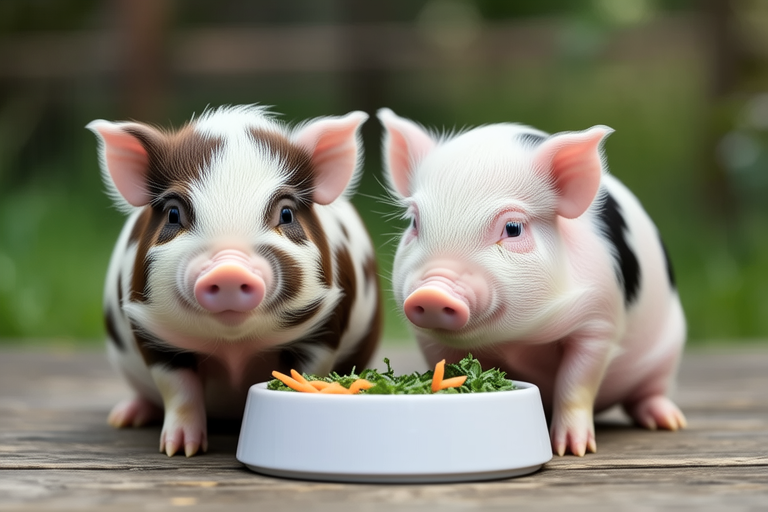
Adorable Guinea Pigs: The Ultimate Guide for New Owners
Welcome to the wonderful world of guinea pigs! These adorable, gentle creatures make fantastic pets for families and individuals alike. With their expressive faces and playful personalities, it’s no wonder they’ve become so popular. However, owning a guinea pig comes with responsibilities, and this guide will help you understand what it takes to provide your new pet with a happy and healthy life.
Guinea Pig Basics
Before diving into specifics, let’s cover some basic facts about guinea pigs. Originating from the Andes Mountains, these rodents have been domesticated for centuries. They are social animals that thrive when kept in pairs or small groups, as they enjoy companionship. Adult guinea pigs typically weigh between 700 grams and 1.2 kilograms and can live up to eight years with proper care.
Guinea pigs come in various breeds, each with distinct coat types and colors. Some popular breeds include the Abyssinian, which has a rough, wiry coat; the Peruvian, known for its long, flowing fur; and the Rex, characterized by its plush, curly hair. Regardless of breed, all guinea pigs require similar care and attention.
Dietary Needs
A balanced diet is crucial for maintaining your guinea pig’s health. Their digestive systems are designed to process large amounts of fiber, so hay should form the foundation of their diet. Timothy hay is ideal for adult guinea pigs, while younger piggies may benefit from alfalfa hay, which is higher in calcium.
In addition to hay, guinea pigs need a daily serving of fresh vegetables. Dark leafy greens like kale, spinach, and romaine lettuce are excellent choices. Be sure to introduce new foods gradually to avoid digestive upset. Avoid feeding them iceberg lettuce, as it lacks essential nutrients and can cause diarrhea.
Vitamin C is another critical component of a guinea pig’s diet. Unlike most mammals, guinea pigs cannot produce their own vitamin C, so they must obtain it through their food. Fresh fruits such as strawberries, oranges, and bell peppers are good sources. Pellets formulated specifically for guinea pigs also contain added vitamin C but should be offered sparingly due to their high sugar content.
Housing Requirements
Proper housing ensures your guinea pig feels safe and comfortable. A spacious cage is essential, providing ample room for movement and exploration. Aim for at least 8 square feet per guinea pig, though more space is always better. Multi-level cages offer additional play areas but ensure ramps are stable and easy to climb.
The cage should be placed in a quiet area away from direct sunlight and drafts. Line the bottom with absorbent bedding, such as recycled paper or wood shavings, and change it regularly to maintain hygiene. Avoid cedar and pine shavings, as they can irritate your pet’s respiratory system.
Toys and accessories enrich your guinea pig’s environment. Chew toys help keep their teeth trim, while tunnels and platforms encourage exercise and mental stimulation. Providing hiding spots, such as cardboard boxes or tunnels, allows your pet to retreat when feeling overwhelmed.
Health Care Essentials
Regular veterinary check-ups are vital for monitoring your guinea pig’s overall health. Choose a veterinarian experienced with small animals to ensure they receive appropriate care. Common issues in guinea pigs include dental problems, respiratory infections, and skin conditions. Early detection and treatment can prevent these from becoming serious.
Signs of illness in guinea pigs include lethargy, loss of appetite, discharge from the nose or eyes, and difficulty breathing. If you notice any concerning symptoms, consult your vet immediately. Maintaining a clean living environment and providing a nutritious diet helps prevent many health issues.
Spaying or neutering your guinea pig can also improve their quality of life. Intact males may develop tumors, while females face increased risks during pregnancy and birthing. Discuss spay/neuter options with your vet to determine the best course of action for your pet.
Grooming Tips
Grooming keeps your guinea pig looking and feeling great. Long-haired breeds require more frequent brushing to prevent matting and tangling. Use a slicker brush or comb suited for your pet’s coat type, gently working through tangles without pulling on the skin.
Bathing should be infrequent, as it removes natural oils from the fur. If necessary, use a gentle, pet-safe shampoo and rinse thoroughly. Dry your guinea pig completely to avoid chills. Nail trimming is another important grooming task. Keep nails short to prevent discomfort and injury. Use nail clippers designed for small animals, and be careful not to cut the quick, which contains blood vessels.
Eyes and ears should also be checked regularly. Wipe around the eyes with a damp cloth to remove any discharge, and inspect the ears for signs of infection or wax buildup. Clean any visible debris gently with a cotton swab.
Common Behaviors
Understanding your guinea pig’s behavior helps strengthen your bond and ensures their well-being. Guinea pigs are vocal animals, using a range of sounds to communicate. Chirping, purring, and squeaking express happiness, excitement, or distress. Pay attention to changes in vocalization, as they may indicate discomfort or fear.
Your pet may also exhibit certain body language cues. Flattened ears suggest anxiety, while raised tails signal alertness or agitation. Tail wagging often indicates contentment or curiosity. Learning to read these signals helps you respond appropriately to your guinea pig’s needs.
Guinea pigs are social creatures and enjoy interacting with their human companions. Spend time handling and playing with your pet daily to build trust and strengthen your relationship. Always approach them calmly and allow them to get used to your presence before picking them up.
Conclusion
Owning a guinea pig is a rewarding experience filled with joy and companionship. By understanding their basic needs and providing proper care, you can ensure your pet lives a long, healthy, and happy life. Remember, guinea pigs are sensitive animals that rely on their owners for safety, comfort, and affection. With patience, love, and attention, you’ll create a loving home where both you and your guinea pig can thrive.
