Beyond Finding Nemo: Unique Traits That Make Clownfish Stand Out
Since the release of Disney’s animated film Finding Nemo in 2003, clownfish have captured the hearts of millions around the world. The movie introduced many viewers to the colorful and charming fish that live among the vibrant coral reefs. However, beyond the silver screen, clownfish possess a wealth of unique traits that set them apart from other marine creatures. In this article, we will explore the distinctive physical characteristics, symbiotic relationships, behaviors, and other fascinating aspects of clownfish, highlighting why they are truly remarkable.
The Popularity of Clownfish Beyond Finding Nemo
Clownfish have been popular aquarium pets for decades, but the release of Finding Nemo brought them into the spotlight like never before. The movie showcased the life of a clownfish named Marlin and his son Nemo, creating a global audience eager to learn more about these captivating creatures. Since then, interest in clownfish has grown significantly, leading to increased research, conservation efforts, and even eco-tourism initiatives focused on clownfish habitats.
Distinctive Physical Characteristics
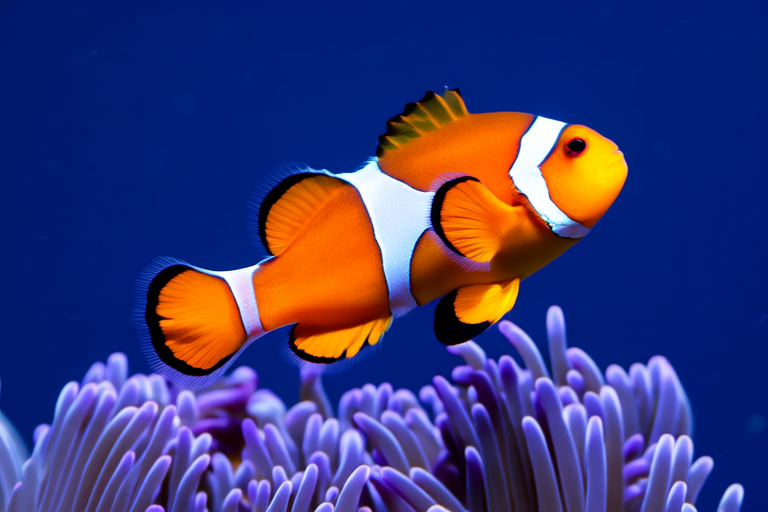
One of the most striking features of clownfish is their vibrant colors and patterns. Typically, clownfish sport an orange body with white stripes outlined in black. However, there are over thirty different species of clownfish, each with its own unique coloration and pattern. Some varieties feature yellow, red, or even brown hues, while others have multiple bands or spots. These distinct markings serve several purposes, including camouflage, communication, and attracting mates.
Another notable characteristic of clownfish is their small size, typically ranging from two to four inches in length. This compact build allows them to navigate through the intricate environments of coral reefs with ease. Their streamlined bodies and strong fins also contribute to their agility and speed, making them adept swimmers despite their diminutive stature.
Symbiotic Relationship with Sea Anemones
Perhaps one of the most intriguing aspects of clownfish biology is their symbiotic relationship with sea anemones. This partnership provides mutual benefits for both species, ensuring their survival in challenging marine environments.
Sea anemones are sessile organisms that anchor themselves to rocks or coral reefs. They have tentacles lined with stinging cells called nematocysts, which they use to capture prey and deter predators. While most fish avoid coming into contact with these potent tentacles, clownfish have developed a remarkable adaptation that allows them to coexist with anemones without being harmed. The mucus coating on the clownfish’s skin contains sugars that neutralize the anemone’s stings, enabling the clownfish to move freely among the tentacles.
In return for protection from larger predators, clownfish provide several services to their host anemones. They help clean the anemone by removing debris and dead tissue, and they also attract smaller fish that become potential meals for the anemone. Additionally, clownfish may defend their anemone from intruders, such as parasitic snails or other predatory fish.
Behavioral Traits
Clownfish exhibit complex social behaviors within their groups. They live in harems consisting of a single dominant female, one or more males, and juvenile fish. The dominant female is responsible for laying eggs, while the male takes on the primary role of caring for the offspring. Interestingly, if the dominant female dies, the largest male in the group can rapidly transform into a functional female, ensuring the continuation of the harem.
Parenting roles in clownfish are highly developed. After the female lays her eggs, she and her mate work together to guard and care for them. They fan the eggs with their fins to provide oxygen and keep them free from debris. Once the eggs hatch, the parents continue to protect the young fry until they are large enough to fend for themselves.
Habitat and Diet
Clownfish inhabit tropical and subtropical waters across the Pacific and Indian Oceans, primarily living in coral reef ecosystems. Coral reefs offer ideal conditions for clownfish, providing shelter, food, and protection from predators. These underwater cities are home to thousands of species of fish, invertebrates, and plants, creating a diverse and dynamic environment.
Clownfish are omnivorous, feeding on a variety of foods depending on availability. Their diet includes algae, plankton, small crustaceans, and leftover scraps from their host anemones. This flexibility in diet allows clownfish to thrive in different parts of the ocean, adapting to changing environmental conditions.
Conservation Status
Despite their widespread popularity, clownfish face numerous threats to their survival. Habitat destruction, climate change, and overfishing are some of the main challenges facing these beloved fish. Rising sea temperatures and ocean acidification caused by climate change can harm coral reefs, which are essential to clownfish survival. Additionally, the illegal trade of clownfish for the aquarium industry has contributed to population declines in some areas.
To address these concerns, conservation organizations have implemented various strategies to protect clownfish and their habitats. Marine protected areas (MPAs) have been established to safeguard critical reef ecosystems, and breeding programs have been initiated to ensure sustainable populations of clownfish for the aquarium trade. Public awareness campaigns and education initiatives also play a crucial role in promoting responsible practices and encouraging individuals to take action in preserving clownfish and their natural homes.
Conclusion
From their vibrant colors and patterns to their complex social structures and symbiotic relationships, clownfish are truly fascinating creatures worthy of admiration. Their unique traits make them stand out in the marine world, offering valuable insights into evolutionary biology, ecology, and animal behavior. By understanding and appreciating these remarkable fish, we can better protect their habitats and ensure the continued existence of clownfish for future generations to enjoy.
