Amazing Facts About Betta Fish That Will Surprise You!
Welcome to the fascinating world of betta fish! These tiny, colorful creatures have captivated aquarium enthusiasts for centuries with their unique behaviors and striking appearance. Whether you’re a seasoned aquarist or a curious beginner, there’s always more to learn about these amazing fish. In this article, we’ll dive deep into the history, natural habitat, behavior, and care tips for betta fish, uncovering some surprising facts along the way.
The History of Betta Fish
Betta fish, also known as Siamese fighting fish, have a rich history that dates back centuries. Originating from the rice paddies of Thailand, they were initially bred for combat. In ancient times, people would bet on which fish would emerge victorious in these battles. Over time, breeders focused on enhancing the fish’s vibrant colors and graceful fins, leading to the diverse array of betta varieties available today.
Natural Habitat
Betta fish are native to the warm, slow-moving waters of Southeast Asia, including Thailand, Cambodia, and Vietnam. They thrive in shallow, stagnant ponds, rice paddies, and streams where water temperatures range between 78°F and 82°F (25°C to 28°C). The water in their natural habitat is often filled with dense vegetation, providing ample hiding spots and oxygen-rich environments. Understanding their natural environment is crucial for creating a suitable tank setup at home.
Fighting Abilities
One of the most intriguing aspects of betta fish is their reputation as fierce fighters. Male bettas, in particular, are territorial and will defend their space aggressively. When two males encounter each other, they display vibrant colors and extend their fins, engaging in a dance-like ritual. This behavior is often misinterpreted as fighting, but it’s actually a form of communication. In the wild, they rarely fight to the death; however, in captivity, they can become aggressive if given the chance. It’s essential to provide each male betta with its own tank to prevent any unwanted confrontations.
Vibrant Colors
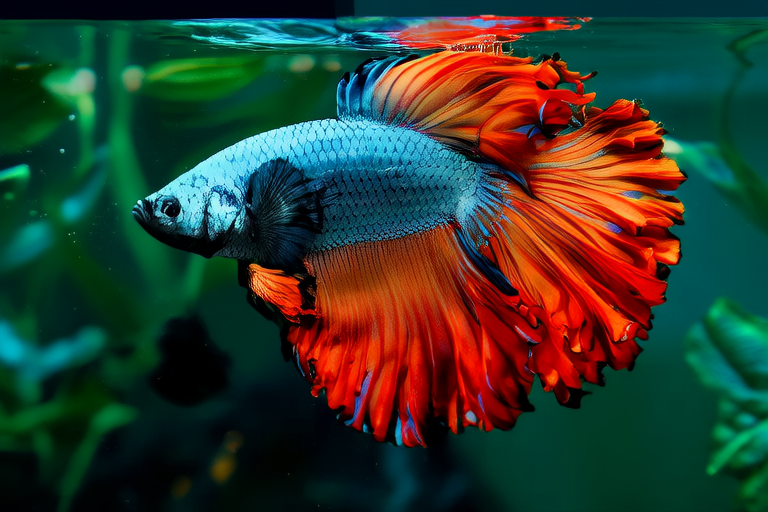
Betta fish are renowned for their stunning colors and intricate patterns. From royal blues and deep purples to fiery reds and electric greens, these fish come in a wide array of hues. Their vibrant colors serve multiple purposes in the wild. Brighter colors help them attract mates, while darker shades offer camouflage against predators. At home, bettas’ vivid colors make them a joy to watch, especially when they flare their gills and spread their fins in response to stimuli.
Myth: Betta Fish Prefer Solitary Living
Contrary to popular belief, betta fish do not prefer solitary living. While they are generally peaceful towards other species, they can coexist with compatible tank mates under the right conditions. However, it’s important to introduce new fish gradually and monitor their interactions closely. Some good tank mates for bettas include small, non-aggressive species like snails, shrimp, and certain types of tetras. Avoid keeping bettas with aggressive or fin-nipping fish, as this can lead to stress and injury.
Tank Setup
Creating a suitable tank environment for your betta fish is crucial for their well-being. A minimum tank size of 5 gallons is recommended, although larger tanks are always better. The tank should be equipped with a filtration system to maintain water quality and promote healthy growth. Bettas prefer a planted tank with plenty of hiding spots and floating plants, as this mimics their natural habitat. Additionally, ensure the tank has a lid to prevent escapes and maintain humidity levels.
Diet
Betta fish are omnivores, meaning they require a balanced diet of both plant-based and protein-rich foods. In the wild, they feed on insects, larvae, and algae. At home, you can provide them with a variety of high-quality betta pellets, freeze-dried or live foods such as bloodworms, brine shrimp, and daphnia. Feeding bettas once or twice daily is sufficient, and avoid overfeeding to prevent water pollution. Supplement their diet with occasional treats like blanched vegetables or spirulina flakes to keep their colors vibrant.
Common Misconceptions
There are several misconceptions surrounding betta fish care. One common myth is that bettas can survive in small cups or bowls, which is far from true. These tiny containers lack adequate filtration and oxygenation, leading to poor water quality and stress for the fish. Another misconception is that bettas can breathe air from the surface, so they don’t need a filter. While bettas do have a labyrinth organ that allows them to breathe air, this doesn’t mean they can survive without proper filtration and water circulation. Always provide a well-maintained tank with appropriate equipment to ensure your betta’s health and happiness.
Health and Longevity
With proper care, betta fish can live up to three years in captivity. To ensure they reach their full lifespan, it’s important to maintain optimal water conditions and provide a balanced diet. Regular water changes, cleaning the tank, and monitoring water parameters such as pH, ammonia, and nitrite levels are essential for preventing diseases and maintaining a healthy environment. Signs of illness in bettas may include lethargy, loss of appetite, frayed fins, or unusual spots on their bodies. If you notice any of these symptoms, consult with a veterinarian specializing in aquatic animals for guidance.
Behavioral Traits
Betta fish exhibit fascinating behaviors that make them delightful pets. They are highly intelligent and can recognize their owners, often swimming towards the front of the tank when they see familiar faces. Betta fish are also known for their playful nature, enjoying interactive toys like floating decorations or bubbles. Observing their behavior can be a rewarding experience, offering insight into their moods and preferences.
Care Tips
- Water Temperature: Maintain a stable temperature between 78°F and 82°F (25°C to 28°C).
- Water Quality: Perform weekly water changes of about 25% to keep the tank clean.
- Diet: Feed bettas a balanced diet of pellets, live, and frozen foods.
- Decor: Add plants, caves, and driftwood to create a stimulating environment.
- Safety: Ensure the tank is secure to prevent accidental spills or escapes.
In conclusion, betta fish are captivating creatures with a wealth of interesting traits and behaviors. By understanding their history, natural habitat, and specific care requirements, you can provide them with a thriving environment that promotes health and happiness. Whether you’re a seasoned aquarist or a novice, there’s always something new to discover about these remarkable fish. Happy fishkeeping!
