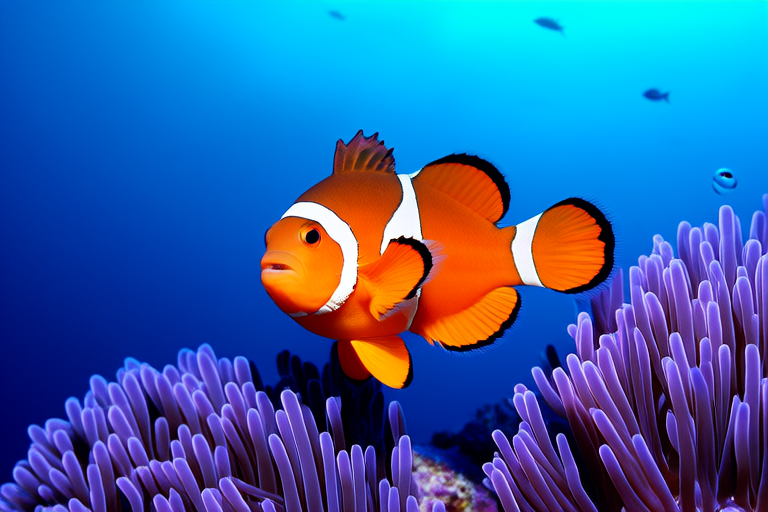
Unveiling the Secret World of Clownfish: Behavior, Habitat, and More
Introduction
The clownfish, or Amphiprioninae, is one of the most recognizable and beloved fish in the ocean. Known for their vibrant colors and distinctive black stripes, these small yet fascinating creatures have captured the hearts of both marine enthusiasts and casual aquarium owners alike. This article delves into the secret world of clownfish, exploring their behavior, habitat, dietary habits, and their remarkable symbiotic relationship with sea anemones. We’ll also discuss their unique characteristics, reproduction methods, and the challenges they face in the wild.
Behavior and Social Structure
Clownfish are social animals that live in groups within a single anemone. These groups usually consist of a breeding pair and several non-reproductive individuals. The dominant female is the largest fish in the group, while the male is the second-largest. The rest of the group consists of younger fish, which do not reproduce until the dominant pair dies or leaves the group. When the dominant female dies, the male changes sex and becomes the new dominant female. This unique ability to change gender is known as sequential hermaphroditism.
Clownfish are territorial and will defend their anemone from intruders. They swim in a distinctive zigzag pattern around their home, making it harder for predators to catch them. Their boldness and curiosity often lead them to explore their surroundings, even venturing outside their anemone during feeding times. This behavior makes them easy targets for larger fish, but their relationship with sea anemones provides a crucial layer of protection.
Habitat and Preferred Environment
Clownfish are found in tropical and subtropical waters, particularly in the Indo-Pacific region, including the Great Barrier Reef, the Red Sea, and the Indian Ocean. They prefer shallow waters, typically between 3 and 50 meters deep, where coral reefs thrive. Clownfish are highly dependent on their anemone hosts, which provide shelter and protection from predators. The anemone’s stinging tentacles deter potential threats, while the clownfish’s mucus coating allows them to avoid being harmed by the anemone’s venom.
Within their habitat, clownfish can be found in a variety of coral reef environments, from lagoons to seaward reefs. They are most commonly associated with large sea anemones, such as the Heteractis magnifica and Stichodactyla gigantea species. These anemones are typically found on coral reefs, rocky outcrops, and sandy bottoms.
Dietary Habits
Despite their small size, clownfish are opportunistic feeders with a varied diet. They primarily consume zooplankton, algae, and the leftovers from their anemone hosts. Clownfish will also eat small crustaceans, such as copepods and amphipods, as well as detritus and other organic matter found within their environment. Their diet is rich in protein, which helps them maintain their energy levels and support their active lifestyle.
Interestingly, clownfish have adapted to scavenge food particles from their anemone hosts. This behavior is beneficial for both the clownfish and the anemone, as it helps keep the anemone clean and free from debris. In return, the anemone provides protection for the clownfish, creating a mutually beneficial relationship.
Symbiotic Relationship with Sea Anemones
The relationship between clownfish and sea anemones is one of the most famous examples of mutualism in the animal kingdom. The clownfish benefits from the protection provided by the anemone’s stinging tentacles, which deter predators like triggerfish and butterflyfish. In return, the clownfish attracts prey for the anemone by swimming around its tentacles, drawing in small fish and plankton. The clownfish also cleans the anemone by removing parasites and dead tissue, which helps keep the anemone healthy.
One of the most fascinating aspects of this relationship is how the clownfish manages to live among the anemone’s stinging tentacles without getting harmed. The clownfish develops a protective mucus coating over time, which allows them to avoid triggering the anemone’s nematocysts (stinging cells). This adaptation is thought to result from prolonged contact with the anemone, as newly introduced clownfish may still get stung.
Unique Characteristics
Clownfish possess several unique characteristics that set them apart from other fish species. One of the most notable features is their bright coloration, which varies depending on the species. The most common color scheme includes orange, white, and black stripes, though some species exhibit different patterns, such as yellow or brown. These colors serve multiple purposes, including camouflage, communication, and attracting mates.
Another unique characteristic of clownfish is their ability to change sex. As mentioned earlier, when the dominant female of a group dies, the largest male will undergo a transformation into a female. This process involves changes in hormone levels and physical attributes, allowing the former male to become the new reproductive leader of the group. This ability ensures the survival of the species by maintaining a stable breeding population.
Reproduction Methods
Clownfish reproduce through external fertilization, with the female laying thousands of eggs on a flat surface near their anemone host. The male then fertilizes the eggs by releasing sperm into the water. After spawning, both parents guard the eggs, fanning them with their fins to ensure proper oxygenation and prevent fungal growth. Once the eggs hatch, the larvae float away from the anemone, spending several weeks drifting in the open ocean before settling on a suitable reef habitat.
The larvae go through several developmental stages before becoming fully grown clownfish. During this period, they are vulnerable to predation and environmental factors, making successful reproduction challenging. However, the high number of eggs laid by the female increases the chances of at least some larvae surviving to adulthood.
Challenges in the Wild
Despite their popularity in aquariums and media, clownfish face numerous challenges in their natural habitat. Coral bleaching, caused by rising sea temperatures, poses a significant threat to clownfish populations. As corals die, the anemones that provide shelter and protection for clownfish also disappear, leaving these fish vulnerable to predators and harsh environmental conditions.
Overfishing and the destruction of coral reefs due to human activities, such as pollution and coastal development, further contribute to the decline of clownfish populations. Additionally, the pet trade has led to the removal of many clownfish from their natural habitats, disrupting local ecosystems and reducing genetic diversity.
Fascinating Facts and Myths
Several myths surround clownfish, one of the most common being that they are immune to the poison of sea anemones. While clownfish do develop a protective mucus coating that allows them to live among anemones, they are not completely immune to their venom. Another myth is that all clownfish are born female, which is not true. Clownfish are born as males, and only the largest male in a group will become a female if the dominant female dies.
Some fascinating facts about clownfish include their ability to change sex, their role in cleaning their anemone hosts, and their importance in maintaining coral reef ecosystems. Clownfish are also known for their strong parental instincts, with both parents working together to care for their eggs. Additionally, clownfish are capable of recognizing individual members of their group, demonstrating complex social behaviors.
Conclusion
The world of clownfish is full of wonder and mystery, offering insights into the intricate relationships between species and the delicate balance of marine ecosystems. By understanding the behavior, habitat, dietary habits, and symbiotic relationships of clownfish, we can appreciate the complexity of life in the ocean and work towards preserving these remarkable creatures and their habitats for future generations. As we continue to explore and learn more about clownfish, we can better protect them and the vital role they play in maintaining the health of our oceans.
