Meet the Calmest Pet Arachnid: All About Chilean Rose Tarantulas
Welcome to the world of Chilean rose tarantulas! These fascinating arachnids have captured the hearts of many pet enthusiasts with their calm demeanor and captivating appearance. Known scientifically as Grammostola rosea, Chilean rose tarantulas are one of the most popular species among tarantula lovers. Their gentle nature, coupled with their manageable size, makes them an excellent choice for first-time spider owners. Let’s delve deeper into what makes these creatures so special and learn how to provide the best care for them.
The Appealing Appearance of Chilean Rose Tarantulas
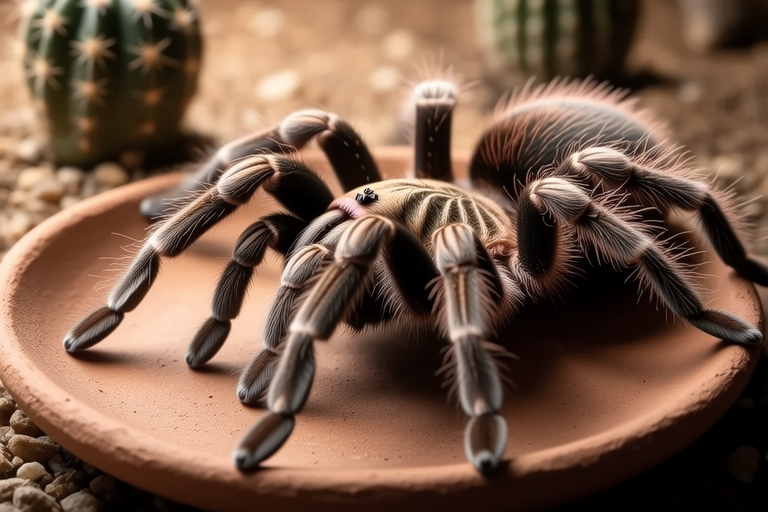
Chilean rose tarantulas are named for their distinctive pinkish-brown coloration, which gives them a rose-like hue. Their bodies are covered in short, dense hairs that serve as protection against predators and environmental threats. Males tend to be slightly smaller than females, but both sexes exhibit a robust, stocky build that reflects their impressive strength. One of the most striking features of these tarantulas is their vibrant colors, which can range from a soft pink to a deep brown, depending on their age and health. Their legs are adorned with spines that help them grip onto surfaces, making them agile climbers.
Native Habitat and Ideal Living Conditions
Native to the dry, arid regions of Chile, these tarantulas thrive in environments that mimic their natural habitat. In the wild, they reside in burrows dug into the ground, often near rocky outcrops or desert scrublands. When keeping Chilean rose tarantulas as pets, it’s essential to recreate these conditions. A terrarium with a substrate of coconut fiber or peat moss provides a comfortable bedding material. The enclosure should be large enough to allow for burrowing, typically around 10 gallons for adults. Additionally, providing hiding spots such as cork bark or small caves will encourage natural behavior and reduce stress.
Diet and Feeding Habits
Chilean rose tarantulas are carnivorous and primarily feed on insects like crickets, mealworms, and roaches. Juvenile tarantulas require smaller prey items, while adults can handle larger insects. It’s important to gut-load feeder insects with nutritious food before offering them to your tarantula. This ensures that your pet receives all necessary vitamins and minerals. Feeding should occur once every 7 to 10 days for adults, whereas juveniles may need more frequent meals. Always remove uneaten prey after a few hours to prevent any potential harm to your tarantula.
Handling Your Tarantula
While Chilean rose tarantulas are generally docile, handling should always be approached with caution. They possess urticating hairs that can cause irritation if they feel threatened. To handle your tarantula safely, gently scoop it up with a wide, flat tool like a paint scraper or a tarantula keeper. Avoid direct contact with your hands to minimize the risk of accidental injury to yourself or your pet. Handling should be limited to avoid stressing the tarantula and to preserve its natural behaviors.
Creating a Secure Environment
Ensuring a secure environment is crucial for the well-being of your Chilean rose tarantula. The enclosure should be escape-proof, with a tightly fitting lid or mesh top. Providing proper ventilation is also vital, as tarantulas need fresh air to breathe. Temperature and humidity levels should be carefully monitored; maintaining a temperature between 78°F and 82°F (25°C to 28°C) and a humidity level of around 60% will keep your tarantula healthy. Regular cleaning of the enclosure is necessary to prevent the buildup of harmful bacteria and to maintain optimal living conditions.
Common Misconceptions About Tarantulas
One of the most common misconceptions about tarantulas is that they are aggressive and dangerous. While it’s true that tarantulas can bite if provoked, their venom is mild and poses little threat to humans. Another misconception is that tarantulas require constant attention. In reality, they are solitary animals that prefer minimal interaction. Understanding these myths helps new owners approach tarantula care with realistic expectations.
Tips for New Owners
If you’re considering adding a Chilean rose tarantula to your family, here are some valuable tips to ensure a smooth transition:
- Research thoroughly: Before bringing your tarantula home, familiarize yourself with its specific needs and behaviors.
- Prepare the enclosure: Set up the terrarium well in advance to ensure it’s ready for your new pet.
- Handle with care: Learn the proper techniques for handling your tarantula to minimize stress.
- Monitor health: Keep an eye on your tarantula’s eating habits, activity levels, and overall appearance to detect any signs of illness early.
Resources for Further Learning
For those eager to learn more about Chilean rose tarantulas, there are numerous resources available:
- Books: Look for titles specifically focused on tarantula care and husbandry.
- Websites: Many reputable websites offer detailed information and forums where you can connect with other tarantula enthusiasts.
- Local clubs and societies: Joining a local group can provide valuable insights and support.
By following these guidelines and dedicating yourself to learning more about your Chilean rose tarantula, you’ll be well on your way to providing a happy, healthy life for your new pet. Enjoy the unique bond you’ll form with this fascinating arachnid!
