From Exotic to Trending: Everything You Need to Know About Arowana Care
Arowanas are one of the most fascinating and sought-after freshwater fish species, known for their unique appearance and historical significance. These majestic creatures have captivated the hearts of aquarists for centuries, and their popularity continues to grow as more enthusiasts discover the joys of keeping them as pets. This comprehensive guide will take you through everything you need to know about arowana care, from setting up the perfect aquarium environment to understanding their dietary needs and common health issues.
The Unique Characteristics of Arowanas
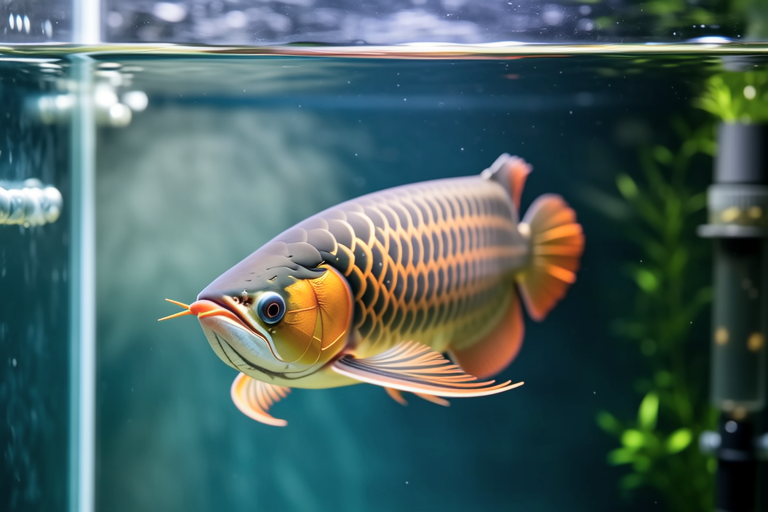
Arowanas, also known as Asian bonytongues, are large, carnivorous fish native to Southeast Asia, Africa, and South America. They are easily recognizable due to their elongated bodies, long dorsal and anal fins, and distinctive pectoral fins that resemble wings. One of the most striking features of arowanas is their ability to leap out of the water to catch prey, a behavior that has earned them the nickname “Dragon Fish.”
Historically, arowanas have been highly valued in Chinese culture, where they are believed to bring good luck and prosperity. Their sleek, metallic scales are often associated with wealth and success, making them a popular choice for decorative fountains and aquariums. In recent years, the trend of keeping arowanas as pets has spread beyond Asia, attracting hobbyists worldwide who are drawn to their exotic appeal and impressive size.
Why Arowanas Are Becoming Popular Pets
The growing popularity of arowanas as pets can be attributed to several factors. Firstly, their striking appearance makes them a standout addition to any aquarium. Secondly, arowanas are intelligent and interactive, responding to their owners and even recognizing individual people. This unique bond between fish and owner adds an extra layer of enjoyment for pet owners.
Moreover, advancements in aquarium technology have made it easier for hobbyists to create suitable environments for these demanding fish. As more information becomes available about arowana care, more enthusiasts are finding success in keeping these magnificent creatures healthy and thriving.
Setting Up the Perfect Aquarium Environment
Creating an ideal habitat for your arowana is crucial for their health and well-being. Proper tank setup ensures they thrive in their new home, so let’s explore the key elements involved in setting up an appropriate aquarium environment.
Tank Size
Arowanas are large, active fish that require ample space to swim and explore. The minimum recommended tank size for a single adult arowana is approximately 300 gallons (1,136 liters), but larger tanks are preferable for optimal swimming room and water quality. For multiple arowanas, add at least 50 gallons per additional fish to ensure adequate living space.
Water Parameters
Maintaining stable water conditions is essential for arowana health. Aim for a temperature range of 78-84°F (25-29°C) and a pH level between 6.5 and 7.5. Regular testing of water parameters using reliable test kits will help you monitor and adjust these levels as needed. Additionally, arowanas prefer soft to moderately hard water with low nitrate levels, so regular partial water changes are necessary to maintain water quality.
Filtration Systems
An efficient filtration system is vital for removing waste products and maintaining clean, oxygen-rich water. Choose a high-quality external filter capable of handling the tank volume and consider adding supplemental equipment such as air stones or powerheads to enhance water circulation and oxygenation. Regular maintenance of the filtration system, including cleaning filters and replacing media, will help keep the tank environment pristine.
Dietary Needs and Feeding Habits
Arowanas are carnivorous fish with specific dietary requirements to support their growth and overall health. Understanding their feeding habits and providing a balanced diet will contribute significantly to their well-being.
Feeding Habits
In the wild, arowanas are opportunistic predators, feeding on insects, small fish, crustaceans, and other aquatic organisms. When kept in captivity, they can be trained to accept a variety of prepared foods, including frozen or freeze-dried options. It’s important to offer a diverse diet to mimic their natural feeding behavior and ensure proper nutrition.
Suitable Food Options
Some recommended food items for arowanas include:
- High-quality pellets designed for large predatory fish
- Frozen or freeze-dried shrimp, krill, and silversides
- Livestock such as feeder goldfish, guppies, or small minnows
- Occasional treats like earthworms or crickets
Feed your arowana once or twice daily, providing enough food that they can consume within a few minutes. Overfeeding can lead to poor water quality and health issues, so monitor their eating habits closely.
Common Health Issues and Preventive Measures
Despite their robust nature, arowanas can still encounter health problems if not properly cared for. Familiarizing yourself with common issues and taking preventive measures will help maintain their well-being.
Common Health Issues
Some frequent health concerns among arowanas include:
- Fin rot: bacterial infection causing fin deterioration
- Ich: parasitic infestation resulting in white spots on the body
- Swim bladder disorder: affecting buoyancy and balance
Preventive Measures
To minimize the risk of these and other health issues, follow these best practices:
- Quarantine new additions to the tank for at least two weeks before introducing them to the main aquarium.
- Perform regular water changes and monitor water parameters to prevent poor water quality.
- Provide a balanced diet and avoid overfeeding.
- Observe your arowana regularly for signs of illness and address any issues promptly.
Interacting With Your Arowana
Building a strong relationship with your arowana takes time and effort but can be incredibly rewarding. Patience and consistency are key when interacting with these intelligent fish.
Start by establishing a routine feeding schedule, allowing your arowana to associate your presence with food. Gradually introduce hand-feeding, being careful not to startle the fish. Over time, some arowanas may become accustomed to gentle interactions, such as swimming close to the surface for feeding.
Remember that each arowana is unique, and not all individuals will respond similarly to human interaction. Respect their boundaries and be patient as you develop a bond based on trust and mutual understanding.
Conclusion
From their unique characteristics and historical significance to their growing popularity as pets, arowanas offer an unparalleled experience for aquarists. By understanding their specific care requirements, creating an appropriate aquarium environment, and maintaining their health through proper feeding and monitoring, you can ensure your arowana thrives in its new home. With dedication and attention, these majestic fish can provide years of enjoyment and companionship for their owners.
