From Backyard to Bedside: How Three-Striped Box Turtles Adapt as Pets
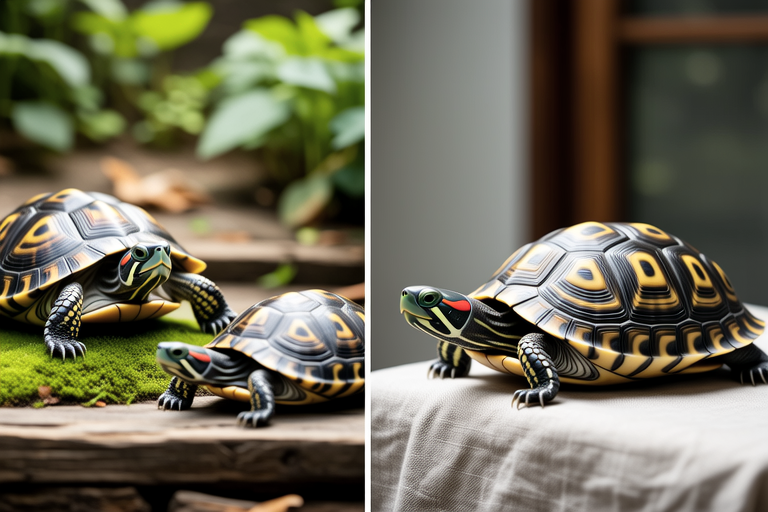
The three-striped box turtle (Terrapene carolina triunguis) is a captivating reptile native to the central United States, particularly thriving in the open woodlands, grasslands, and meadows of Missouri, Arkansas, and Oklahoma. Known for their distinctive three yellow stripes on each side of their head, these turtles are not only visually appealing but also embody a unique blend of resilience and adaptability that makes them intriguing pets.
Natural Habitat and Behavior
In their natural habitats, three-striped box turtles are diurnal animals, active during the day and seeking shelter at night. They are primarily terrestrial, spending most of their time on land, though they occasionally visit shallow water bodies to cool off or drink. These turtles have a strong affinity for digging, often burying themselves in the soil to escape extreme temperatures or to hide from potential predators. Their diet consists of a wide variety of plant matter, insects, and small vertebrates, making them opportunistic omnivores.
Their shells, which can grow up to 6 inches in length, are hinged at the bottom, allowing them to completely withdraw their head, legs, and tail inside for protection. This feature is one of the defining traits of box turtles, providing them with a portable fortress against threats. Despite their defensive capabilities, these turtles are relatively slow-moving, relying more on their ability to conceal themselves than on speed.
Considerations for Domestication
Bringing a three-striped box turtle into a domestic setting requires careful consideration of several factors to ensure the well-being of the animal. The first step involves understanding the turtle’s specific needs and providing an appropriate living space. A spacious enclosure is essential, mimicking the natural environment as closely as possible. The enclosure should include a mix of soft substrates like mulch or sphagnum moss, as well as areas for basking under a UVB light source to facilitate calcium absorption and bone health.
Diet is another critical aspect of caring for these turtles. A balanced diet should consist of leafy greens, fruits, insects, and occasional treats such as mealworms or boiled eggs. It is important to avoid feeding them excessive amounts of protein-rich foods, as this can lead to shell deformities. Regularly changing the water supply and maintaining a clean living environment are necessary to prevent the spread of bacteria and parasites.
Healthcare for three-striped box turtles includes routine check-ups with a veterinarian specializing in reptiles. Common issues to watch out for include respiratory infections, shell rot, and metabolic bone disease. Early intervention is crucial in managing these conditions effectively. Additionally, handling the turtle gently and minimizing stress is vital to maintain its overall health.
Individual Adaptation to Captivity
The transition from a natural habitat to a domestic setting can vary significantly depending on the individual turtle’s personality and early experiences. Some turtles may adapt quickly to their new surroundings, while others might take longer to adjust. Providing a familiar environment with hiding spots and gradual introduction to new stimuli can help ease the transition. Patience and consistency are key in helping these turtles feel secure in their new home.
Turtles that have been handled frequently from a young age tend to be more comfortable around humans. Positive reinforcement techniques, such as offering treats during gentle interactions, can foster a trusting relationship between the turtle and its caretaker. However, it is essential to remember that these turtles are wild animals at heart and should not be expected to behave like domesticated pets. Respecting their natural instincts and boundaries is paramount.
Creating a Suitable Environment at Home
To create a suitable environment for your three-striped box turtle, start by setting up a large enclosure with ample space for movement and exploration. Ensure that the enclosure has a temperature gradient, with one end being warmer for basking and the other cooler for resting. A heat lamp or ceramic heater can provide the necessary warmth, while a UVB light ensures adequate vitamin D synthesis.
In addition to the physical setup, consider enriching the turtle’s environment with various elements that stimulate natural behaviors. Provide logs, rocks, and plants to create climbing and hiding opportunities. Water dishes should be shallow enough for the turtle to easily enter and exit, promoting hydration and hygiene. Regular cleaning and maintenance of the enclosure are essential to prevent health issues.
Safety is paramount when designing the turtle’s habitat. Avoid using any materials that could be harmful if ingested, such as gravel or certain types of wood chips. Ensure that all enclosures are secure to prevent escapes and protect the turtle from external threats. Supervision during handling and playtime is recommended to minimize risks.
Responsibilities and Rewards of Ownership
Owning a three-striped box turtle comes with significant responsibilities. As a caretaker, you must commit to providing a nurturing environment that meets the turtle’s physical and emotional needs. This includes regular feeding, cleaning, and monitoring for signs of illness. Education about the species’ behavior and requirements is crucial for successful ownership.
The rewards of owning a three-striped box turtle are numerous. Watching these creatures navigate their environment with grace and curiosity can be deeply rewarding. Their longevity, often exceeding 30 years, allows for a long-term bond between pet and owner. Moreover, caring for a three-striped box turtle promotes empathy and respect for wildlife, fostering a deeper connection with nature.
It is important to approach the decision to own a three-striped box turtle with seriousness and commitment. While these turtles can make wonderful companions, they require dedicated care and attention. By understanding and meeting their needs, you can ensure a fulfilling and healthy life for your pet turtle.
In conclusion, transitioning a three-striped box turtle from its natural habitat to a domestic setting requires thoughtful preparation and ongoing care. By providing a safe, enriching environment and respecting the turtle’s natural behaviors, you can help ensure a happy and healthy life for your pet. Embracing the responsibilities and rewards of ownership will deepen your connection with these fascinating creatures, creating a lasting bond that is both rewarding and enriching.
