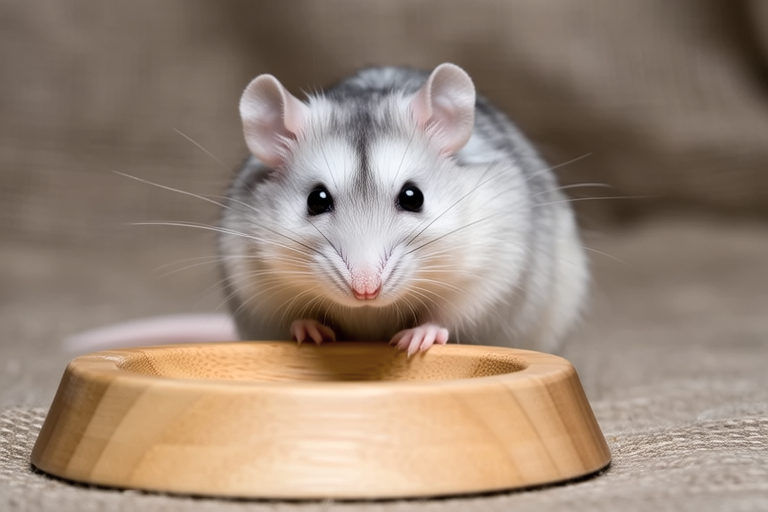
Adorable Fluff Ball: All You Need to Know About Chinchillas
Welcome to the world of chinchillas, the adorable fluff balls that have captured the hearts of pet lovers everywhere. With their soft, dense fur and large, expressive eyes, chinchillas are truly unique among small animals. These rodents, native to the Andes Mountains in South America, have become increasingly popular as pets due to their playful personalities and striking appearance. In this comprehensive guide, we will explore everything you need to know about chinchillas, from their origins and ideal living conditions to their dietary needs and grooming routines.
Origin and Natural Habitat
Chinchillas are native to the high Andean regions of South America, specifically in countries like Chile, Bolivia, Peru, and Argentina. They thrive in the harsh, rocky environments at altitudes of up to 4,000 meters (13,000 feet) above sea level. Their natural habitat includes areas with sparse vegetation, steep cliffs, and rocky outcrops, which provide shelter from predators and extreme weather conditions. Chinchillas are highly adaptable to cold climates and have evolved to live in these challenging environments.
Ideal Living Conditions for Domesticated Chinchillas
When it comes to housing your chinchilla, it’s essential to recreate their natural environment as closely as possible. Chinchillas require a spacious cage with multiple levels to climb and explore. The cage should be at least three feet wide, two feet deep, and four feet tall. A wire mesh floor is preferable to prevent pressure sores, and the spacing between the wires should be small enough to prevent escape but large enough to allow droppings to fall through.
Temperature control is crucial for chinchillas, as they are sensitive to heat. The ideal temperature range for a chinchilla’s living space is between 60 and 70 degrees Fahrenheit. Avoid placing the cage near direct sunlight or heat sources such as radiators or fireplaces. Additionally, ensure proper ventilation to maintain fresh air circulation.
Dietary Needs
A balanced diet is vital for maintaining a chinchilla’s health and well-being. The primary component of their diet should be hay, which provides necessary fiber for digestive health. Timothy hay is particularly recommended. Supplement this with a high-quality commercial chinchilla pellet, ensuring it contains no added sugars or artificial ingredients.
Fruits and vegetables can be offered sparingly as treats, but avoid feeding too many as they can cause digestive upset. Fresh water should always be available, preferably in a sipper bottle designed for small animals. Clean the water bottle daily to prevent bacterial growth.
Grooming Requirements: Dust Baths
One of the most fascinating aspects of chinchilla care is their grooming routine. Chinchillas naturally take dust baths to clean and condition their luxurious coats. Provide a shallow container filled with special chinchilla dust, typically made from volcanic ash or pumice powder, which is safe and effective for their delicate fur.
Allow your chinchilla to bathe for about 10-15 minutes once or twice a week. Over-bathing can strip the natural oils from their coat, so moderation is key. After the bath, remove any excess dust and ensure the chinchilla has access to clean bedding.
Typical Behaviors and Intelligence
Chinchillas are known for their playful and curious nature. They enjoy climbing, jumping, and exploring their surroundings. Providing toys such as tunnels, hammocks, and chew toys will keep them mentally stimulated and physically active. Chinchillas are also intelligent and can learn to recognize their owners, respond to commands, and even perform simple tricks.
Despite their small size, chinchillas are social animals and can form strong bonds with their human companions. However, they are nocturnal creatures, meaning they are most active during the night. This behavior may require adjustments in your daily routine to accommodate their schedule.
Common Health Issues
Like any pet, chinchillas can face various health issues. One of the most common problems is dental disease, as their teeth grow continuously throughout their lives. Regular veterinary check-ups are essential to monitor tooth alignment and wear. Signs of dental issues include difficulty eating, weight loss, and drooling.
Respiratory infections can also occur if the living environment is too damp or dirty. Symptoms include sneezing, nasal discharge, and labored breathing. Maintaining clean bedding and avoiding drafts can help prevent these issues. Additionally, chinchillas are susceptible to heatstroke, so monitoring the temperature of their living area is critical.
Tips for Choosing and Caring for a Chinchilla
If you’re considering adopting a chinchilla, it’s important to research breeders or shelters carefully. Look for reputable sources that prioritize the health and welfare of their animals. Spend time observing the chinchilla’s behavior and temperament before making a decision.
Once you’ve brought your new chinchilla home, gradually introduce them to their new environment. Allow them to explore their cage while supervised to ensure they feel comfortable. Establish a routine for feeding, cleaning, and playtime to provide a sense of security. Regular interaction and handling will help build trust and strengthen your bond.
Where to Adopt or Purchase a Chinchilla
Adopting a chinchilla from a rescue organization or animal shelter is a compassionate choice. Many shelters have chinchillas available for adoption who need loving homes. Alternatively, purchasing from a reputable breeder ensures you’re getting a healthy, well-socialized chinchilla. Always ask for documentation regarding vaccinations and health screenings.
Resources for Further Learning
To deepen your knowledge about chinchillas, consider joining online forums and communities dedicated to chinchilla care. Websites, books, and magazines focused on small animal husbandry can provide valuable insights. Additionally, consulting with veterinarians specializing in exotic pets can offer personalized advice tailored to your chinchilla’s specific needs.
In conclusion, chinchillas are delightful and rewarding pets for those willing to commit to their unique care requirements. By understanding their origins, providing appropriate living conditions, and meeting their dietary and grooming needs, you can ensure a happy and healthy life for your furry friend. Embrace the joy of owning one of these adorable fluff balls and enjoy the companionship they bring into your home.
