Siberian Huskies: More Than Just Beautiful Pets
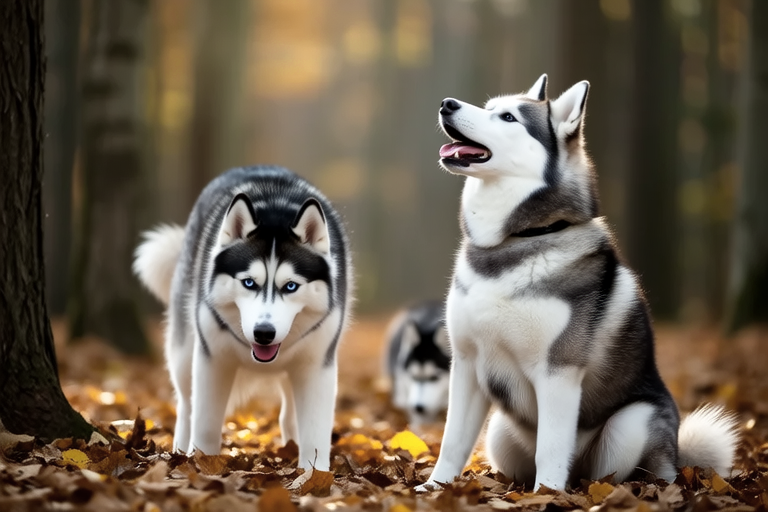
The Siberian Husky is a breed of dog that captivates hearts with its striking appearance and unique characteristics. Known for their wolf-like looks and charming blue or multi-colored eyes, these dogs have become a popular choice for both working and companion roles. This article delves into the history, origin, and adaptation of Siberian Huskies to Arctic conditions, their temperament, intelligence, and energy levels, communication methods, exercise needs, and dietary requirements. It also provides tips for potential owners on training, grooming, and health care, concluding with insights into why Siberian Huskies are more than just beautiful pets.
History and Origin
Siberian Huskies originated from the Chukchi people of Northeastern Asia. These indigenous people used them as sled dogs for transportation, hunting, and herding reindeer. The harsh Arctic environment required these dogs to be strong, resilient, and capable of enduring extreme temperatures. Over centuries, selective breeding produced the Siberian Husky we know today, a breed renowned for its endurance, speed, and loyalty.
Adaptation to Arctic Conditions
The Siberian Husky’s physical attributes reflect their adaptation to the challenging Arctic environment. Their thick double coat, consisting of a soft undercoat and a protective outer layer, insulates them against cold winds and snow. Additionally, their webbed feet provide traction on icy surfaces, while their dense fur protects their paws from freezing. Their ability to regulate body temperature efficiently allows them to thrive in extreme climates.
Temperament, Intelligence, and Energy Levels
Siberian Huskies are known for their friendly and outgoing personalities. They are typically gentle, playful, and affectionate with family members and children. However, due to their strong prey drive, they may not get along well with smaller animals. Their intelligence makes them quick learners, but their independent nature can sometimes pose challenges during training. Siberian Huskies are highly energetic and require regular exercise to maintain their physical and mental well-being.
Communication Methods
Siberian Huskies communicate through various vocalizations and body language. They are known for their distinctive howling, which serves as a form of long-distance communication. Their body language, including tail position and ear movement, conveys emotions and intentions. Understanding these signals can help owners better connect with their dogs and address any behavioral issues.
Exercise Needs
Due to their high energy levels, Siberian Huskies require ample exercise to prevent boredom and destructive behavior. Daily walks, runs, and play sessions are essential to keep them physically fit and mentally stimulated. Agility training, obedience classes, and interactive games can further enhance their physical activity and cognitive engagement. Owners should ensure that their Siberian Huskies receive sufficient exercise to maintain a healthy lifestyle.
Dietary Requirements
A balanced diet rich in protein and fat is crucial for maintaining the health and vitality of Siberian Huskies. High-quality dog food formulated for active breeds should be provided, ensuring that it meets their nutritional needs. Owners should consult with veterinarians to determine the appropriate portion sizes and feeding schedules based on their dog’s age, weight, and activity level. Fresh water should always be available to keep them hydrated.
Role as Working Dogs and Companions
Originally bred as working dogs, Siberian Huskies excel in various roles, including sledding, racing, and search and rescue missions. Their strength, endurance, and loyalty make them reliable partners in these tasks. In addition to their working abilities, they also serve as loving companions, providing unwavering loyalty and affection to their families. Their adaptability and versatility enable them to thrive in both professional and domestic settings.
Tips for Potential Owners
Training
Consistent and positive reinforcement training methods are effective for teaching Siberian Huskies basic commands and good behavior. Early socialization and exposure to different environments, people, and animals can help them develop into well-adjusted and confident dogs. Owners should establish clear boundaries and expectations, rewarding desired behaviors and redirecting unwanted ones. Patience, consistency, and understanding are key to successful training.
Grooming
Siberian Huskies require regular grooming to maintain their coat’s health and appearance. Brushing their fur at least twice a week helps remove loose hair and prevents matting. During shedding seasons, more frequent brushing may be necessary to manage excessive fur. Bathing should be done as needed, using a mild dog shampoo to avoid stripping natural oils from their skin. Regular nail trimming, dental care, and ear cleaning are also important aspects of their grooming routine.
Health Care
Siberian Huskies are generally healthy dogs, but they are prone to certain genetic disorders, such as hip dysplasia, eye problems, and allergies. Regular veterinary check-ups, vaccinations, and preventive treatments are essential for maintaining their overall health. Owners should monitor their dogs for any signs of illness or discomfort and seek prompt medical attention if necessary. Providing a balanced diet, proper exercise, and a clean living environment contributes to their longevity and well-being.
Conclusion: Why Siberian Huskies Are More Than Just Beautiful Pets
Siberian Huskies are more than just beautiful pets; they are intelligent, loyal, and versatile companions. Their stunning looks, combined with their unique traits and abilities, make them a beloved breed among dog enthusiasts. By understanding their history, origin, and adaptation to Arctic conditions, as well as their temperament, intelligence, and energy levels, potential owners can provide the care and attention these dogs need to thrive. With proper training, grooming, and health care, Siberian Huskies can bring joy, companionship, and fulfillment to their human families, making them more than just beautiful pets.
