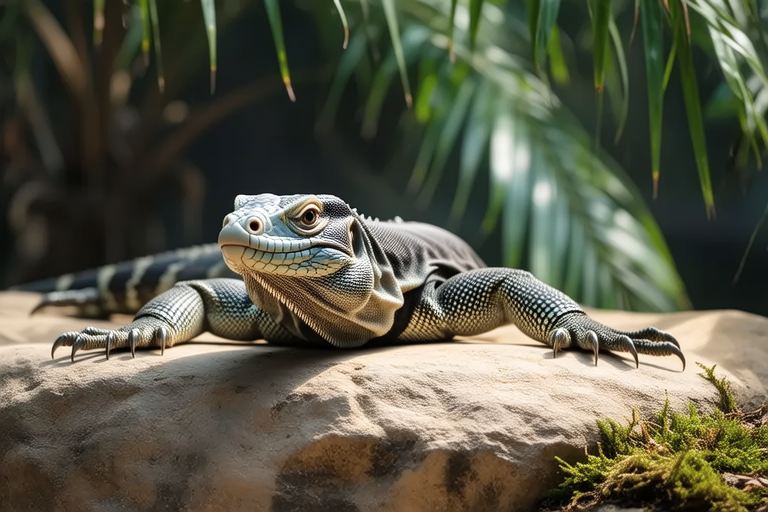
The Water Monitor Owner’s Handbook: Tips and Tricks You Need to Know
Welcome to your comprehensive guide to owning a water monitor! This handbook will provide you with essential care tips, habitat setup instructions, dietary specifics, health concerns, behavioral insights, and common pitfalls for new owners. Whether you’re a novice or an experienced reptile enthusiast, this guide will help ensure that your water monitor thrives in its new home.
Essential Care Tips
Caring for a water monitor requires dedication and knowledge. Here are some fundamental tips:
- Patience: Water monitors grow quickly and can become large pets. Patience is key when handling them.
- Research: Before bringing a water monitor home, thoroughly research their needs and ensure you’re prepared for the commitment.
- Consultation: Regular visits to a herpetologist or veterinarian specializing in exotic animals are crucial for maintaining your pet’s health.
Habitat Setup
Creating an appropriate habitat is vital for your water monitor’s well-being.
Tank Size
A water monitor needs ample space to move around comfortably. A minimum tank size of 6 feet by 3 feet by 4 feet (length x width x height) is recommended for juveniles, increasing as they grow. Adult monitors require even larger enclosures.
Temperature Control
Maintaining the correct temperature gradient is essential. Provide a basking spot with temperatures between 95°F and 105°F (35°C to 40°C), while the cooler side should be around 80°F (27°C).
Suitable Substrates
Select substrates carefully to prevent ingestion hazards. Cypress mulch, coconut fiber, or reptile-safe play sand are good choices. Avoid gravel, small stones, or other materials that could cause impaction.
Diet Specifics
Water monitors are omnivorous, requiring a balanced diet.
Feeding Schedules
Feed juveniles daily, reducing to every other day as they mature. Offer a variety of foods, including insects, rodents, fruits, and vegetables. Gut-load feeder insects with nutritious food before offering them to your monitor.
Enrichment Activities
Incorporate enrichment activities like puzzle feeders or hiding spots to stimulate mental and physical activity. This helps prevent boredom and promotes overall health.
Health Concerns
Regular monitoring of your water monitor’s health is necessary.
Signs of Illness
Watch for unusual behavior, lethargy, weight loss, or changes in appetite. Discharge from eyes, nose, or mouth may indicate infection. Consult a veterinarian if you notice any of these signs.
Veterinary Care
Establish a relationship with a qualified veterinarian who specializes in exotic animals. Schedule regular check-ups and vaccinations to maintain your monitor’s health.
Behavioral Insights
Understanding your water monitor’s behavior is crucial for successful cohabitation.
Handling
Handle your monitor gently and regularly to build trust. Start sessions slowly and increase duration over time. Always support its body fully during handling.
Aggression
Monitor aggression closely. Some water monitors may display defensive behaviors. Redirect aggression through positive reinforcement techniques rather than punishment.
Common Pitfalls for New Owners
Many new owners face challenges when caring for their water monitors.
Overfeeding
Overfeeding can lead to obesity and related health issues. Stick to a balanced diet and avoid excessive treats.
Improper Housing
Ensure the enclosure provides enough space, proper temperature gradients, and suitable substrates. An inadequate environment can stress your monitor and lead to health problems.
Lack of Enrichment
Providing mental and physical stimulation is vital. Without it, your monitor might become bored or stressed, affecting its overall health.
Conclusion
Owning a water monitor is a rewarding but challenging endeavor. By following the advice provided in this handbook, you’ll be well-prepared to care for your pet. Remember, patience, research, and consultation with experts are key to ensuring a happy and healthy water monitor. Happy monitoring!
