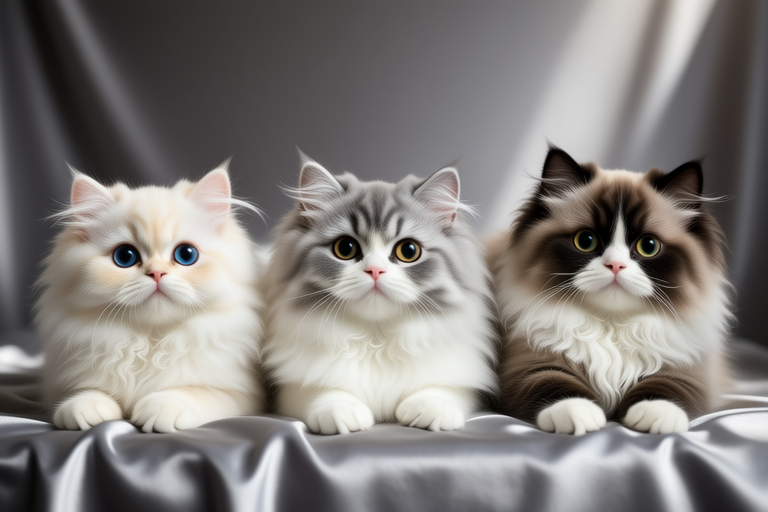
Adorable Persian Cats: The Ultimate Guide for New Owners
Welcome to the world of Persian cats! These long-haired felines have captured the hearts of cat enthusiasts worldwide with their regal appearance and gentle demeanor. With their luxurious coats, expressive eyes, and sweet personalities, it’s no wonder why they are one of the most popular breeds in the United States. However, owning a Persian cat comes with its own set of challenges, especially for first-time owners. This guide will walk you through everything you need to know about raising a Persian cat, from grooming and diet to health concerns and socialization.
Introduction: A Brief Overview of Persian Cats
Persian cats are known for their striking looks and calm nature. They come in a variety of colors and patterns, but all share a signature long, silky coat that requires regular care. Their round faces and short noses give them an almost doll-like appearance, making them irresistible to many. Despite their delicate looks, Persians are generally quiet and independent, preferring serene environments where they can relax and enjoy their surroundings. Their gentle temperament makes them excellent companions for families and individuals alike, though they may be less active than some other breeds.
Grooming Needs
One of the most significant aspects of caring for a Persian cat is their grooming routine. Their thick, plush coats require daily brushing to prevent matting and tangling. Use a slicker brush or comb to gently detangle any knots and remove loose hair. Bathing your Persian should be done every few weeks, but be sure to use a cat-specific shampoo to avoid irritating their skin. Pay special attention to areas like the face and ears, as these can accumulate dirt more easily. Additionally, trim their nails regularly and clean their ears and teeth to maintain overall hygiene.
Dietary Requirements
When it comes to feeding your Persian, quality is key. Opt for high-quality cat food that provides balanced nutrition, including proteins, fats, carbohydrates, vitamins, and minerals. Wet food can be beneficial for hydration, as Persian cats are prone to urinary tract issues. Always ensure fresh water is available at all times. Avoid overfeeding to keep your cat at a healthy weight, which helps prevent obesity-related health problems. Consult with your veterinarian to determine the best diet plan based on your cat’s age, activity level, and specific health needs.
Common Health Issues
Persian cats are susceptible to certain health conditions due to their genetic makeup. Polycystic kidney disease (PKD) is a hereditary disorder that affects many Persians, causing cysts to develop in the kidneys. Regular veterinary check-ups are crucial for early detection and management. Another common issue is respiratory problems caused by their flat faces, leading to breathing difficulties. To help alleviate this, provide a cool, well-ventilated environment and avoid exposing your cat to extreme temperatures. Dental issues are also prevalent, so maintaining good oral hygiene through regular brushing and dental check-ups is essential.
Socializing and Training Your Persian Cat
Socializing your Persian from an early age will help them become confident and comfortable around people and other animals. Introduce them gradually to different environments, sounds, and experiences to build their confidence. Positive reinforcement techniques, such as treats and praise, work well for training Persians. Teach basic commands like ‘sit’ or ‘come,’ but remember that Persians may not always be eager to participate. Patience and consistency are key when working with this breed. Providing interactive toys and puzzles can stimulate their minds and encourage playfulness.
Creating a Comfortable Living Environment
Setting up a cozy home for your Persian cat is essential for their happiness and well-being. Choose soft, comfortable bedding and provide multiple scratching posts to satisfy their natural instinct to scratch. Persian cats appreciate quiet spaces where they can retreat when feeling overwhelmed. Consider placing a window perch near a sunny spot so your cat can enjoy views of birds and other outdoor activities. Ensure your home is free from harmful chemicals and toxins, as Persians may be more sensitive to certain substances. Lastly, invest in a litter box that suits your cat’s preferences, ensuring easy access and proper cleanliness.
Selecting Appropriate Toys and Accessories
Toys and accessories can enhance your Persian’s quality of life while providing mental stimulation and physical exercise. Look for toys that engage their hunting instincts, such as feather wands or laser pointers. Puzzle feeders can also promote cognitive engagement by challenging your cat to retrieve treats. Consider purchasing a cat tree or condo with multiple levels and platforms for climbing and resting. Providing scratching posts with various textures allows your cat to maintain their claws and relieve stress. Remember to rotate toys periodically to keep your Persian interested and entertained.
The Emotional Bond Between Owner and Persian Cat
Owning a Persian cat is not just about providing for their physical needs; it’s also about nurturing the emotional connection between you and your pet. These cats form strong bonds with their owners, often seeking comfort and companionship. Spend time each day interacting with your Persian, whether it’s cuddling, playing, or simply sitting together. Recognize that your cat has unique personality traits and preferences, and adapt accordingly to ensure a harmonious relationship. While the responsibilities of pet ownership can be demanding, the rewards of sharing your life with a Persian cat are immeasurable. Their loyalty, affection, and companionship make them cherished members of the family.
In conclusion, adopting a Persian cat is a rewarding yet challenging endeavor. By understanding their grooming needs, dietary requirements, common health issues, and socialization methods, you can provide your Persian with a happy, healthy life. Creating a comfortable living environment and selecting appropriate toys and accessories will further enrich their experience. Most importantly, cherish the emotional bond you share with your Persian cat, and embrace the joys and responsibilities of being a dedicated pet owner.
