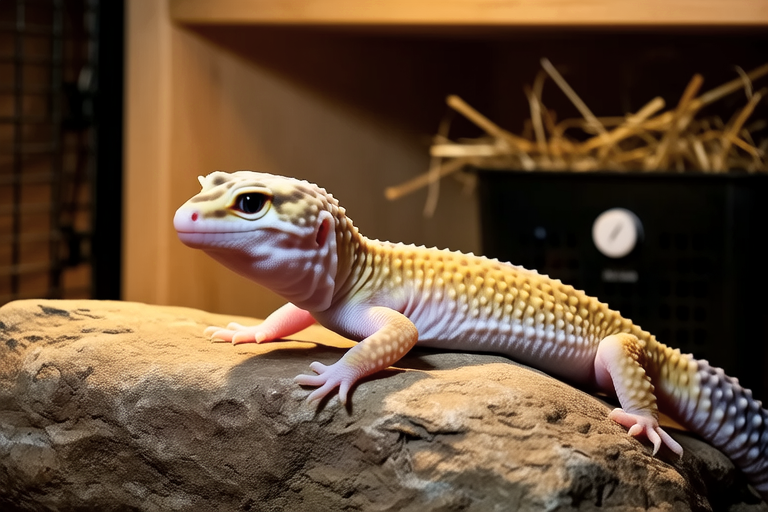
Leopard Gecko Care: Everything You Need to Know Before Adoption
Welcome to the world of leopard geckos! These small, hardy reptiles have become increasingly popular among pet owners due to their docile nature, easy care requirements, and fascinating behavior. If you’re considering adopting a leopard gecko, this guide will provide you with everything you need to know about caring for these delightful creatures.
Introduction to Leopard Geckos as Pets
Native to the arid regions of Afghanistan, Pakistan, India, and Iran, leopard geckos are nocturnal lizards that have adapted to survive in harsh desert environments. Their name comes from the distinctive spots on their skin, which resemble those of leopards. As pets, they are relatively low-maintenance compared to other reptiles, making them ideal for beginners or those who want a more manageable pet.
Ideal Habitat Setup
Tank Size
Leopard geckos require a spacious tank to move around comfortably. A 10-gallon tank is suitable for one adult gecko, but larger tanks (20 gallons or more) are recommended for multiple geckos to ensure adequate space for each individual.
Substrate
The substrate you choose for your leopard gecko’s habitat is crucial for their health. Avoid loose substrates like sand, which can cause impaction if ingested. Instead, opt for paper towels, reptile carpet, or eco-friendly bedding like coconut fiber or bark.
Temperature and Lighting
Leopard geckos thrive in temperatures ranging between 78°F and 90°F (26°C – 32°C). Use a heat lamp or under-tank heater to maintain these temperatures. Install a digital thermometer to monitor the environment accurately. Leopard geckos are nocturnal, so they don’t require UVB lighting; however, providing a light cycle with a timer can help regulate their circadian rhythms.
Feeding Guidelines
Leopard geckos are insectivores, meaning their diet consists mainly of insects. Crickets, mealworms, and dubia roaches are popular choices. Ensure that the insects are gut-loaded (fed nutritious foods) before offering them to your gecko. Feed your gecko once daily, adjusting the quantity based on its age and size.
Dietary Needs
Supplement your gecko’s diet with calcium and vitamin D3 powders to prevent metabolic bone disease. Dust the insects with these supplements two to three times a week.
Feeding Frequency
Young geckos should be fed daily, while adults can be fed every other day. Always remove any uneaten insects after feeding to prevent them from biting your gecko.
Health Care Basics
Maintaining a clean habitat and monitoring your gecko’s behavior are key to ensuring its health. Signs of illness include lethargy, loss of appetite, swollen eyes, or difficulty breathing. Common health issues include respiratory infections, parasites, and metabolic bone disease.
Signs of Illness
If you notice any unusual behaviors or physical changes, consult a veterinarian specializing in reptiles immediately.
Common Health Issues
Regular check-ups with a reptile vet can help catch and treat potential problems early.
Handling Tips
Leopard geckos are generally calm and tolerate handling well. However, it’s essential to handle them gently to avoid stress or injury. Support their body fully when holding them and avoid squeezing or restraining them tightly. Allow your gecko time to adjust to handling gradually.
Breeding Information
While breeding leopard geckos is possible, it requires specialized knowledge and equipment. Ensure both male and female geckos are healthy and mature before attempting to breed them. Provide separate enclosures for males and females, except during breeding periods. Consult with experienced breeders or veterinarians for guidance.
Costs Associated with Initial Setup and Ongoing Care
Initial costs include purchasing a tank, substrate, heating equipment, lighting, and food. Ongoing expenses consist of regular supplies, veterinary care, and occasional replacements for worn-out equipment. Budgeting for these expenses ensures long-term care for your gecko.
Conclusion
Owning a leopard gecko is a rewarding experience, but it also requires a significant commitment. Providing a proper habitat, appropriate diet, and regular healthcare are essential for their wellbeing. By understanding the responsibilities involved, you can ensure a happy and healthy life for your new pet. Remember, adopting a leopard gecko is a long-term commitment that demands attention and care.
