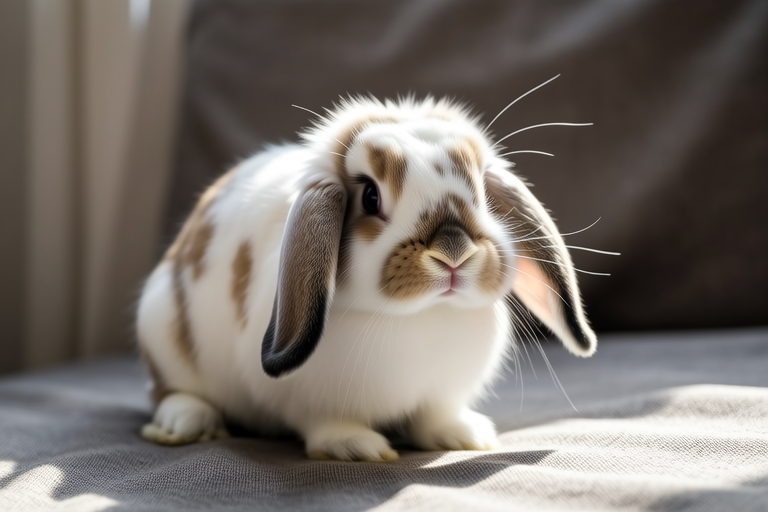
Lop Rabbits Unveiled: Everything You Need to Know Before Adopting
Welcome to the wonderful world of lop rabbits! These charming creatures have captured the hearts of many animal lovers with their unique floppy ears and gentle demeanor. Lop rabbits are among the most popular pet rabbits, known for their affectionate nature and ease of handling. Whether you’re a seasoned pet owner or considering your first furry friend, this guide will provide you with all the essential information to help you make an informed decision about adopting a lop rabbit.
Introduction to Lop Rabbits
Lop rabbits are renowned for their distinctive long, drooping ears that give them a unique and endearing appearance. They are gentle, social animals that thrive on human interaction and can be very affectionate. Their calm and docile nature makes them ideal pets for families, especially those with children. Lops come in various breeds, each with its own distinct features, making them appealing to a wide range of potential owners.
Different Breeds, Sizes, and Temperaments
There are several breeds of lop rabbits, each with its own unique characteristics:
- English Lop: Known for their exceptionally long ears, these rabbits are the largest lop breed. They require more space and attention due to their size and need for ample exercise.
- French Lop: A medium to large-sized breed, French lops are robust and muscular. They are known for their friendly and outgoing personalities, making them excellent companions.
- Miniature Lop: As the name suggests, these are smaller versions of the standard lop breeds. Miniature lops are perfect for apartment living or for those who prefer a smaller companion.
The temperament of lop rabbits varies slightly depending on the breed, but generally, they are gentle, calm, and enjoy being handled. They are intelligent animals that can learn tricks and respond well to positive reinforcement training. Lops are social animals and tend to form strong bonds with their owners, often seeking out affection and attention.
Dietary Needs
Proper nutrition is crucial for the health and longevity of your lop rabbit. Their diet should consist mainly of hay, which should be available at all times. Timothy hay is particularly recommended as it aids in dental health. Fresh vegetables, such as leafy greens like romaine lettuce and carrot tops, should be offered daily in moderation. Fruits can be given as occasional treats, but they should not constitute a significant portion of their diet due to their high sugar content.
Commercial rabbit pellets can also be provided, but they should not replace hay or fresh vegetables. It’s important to choose pellets that are specifically formulated for rabbits and avoid those with added seeds or nuts. Always consult with a veterinarian to determine the appropriate amount of pellets based on your rabbit’s age, weight, and activity level.
Grooming Requirements
While lop rabbits don’t require extensive grooming, regular maintenance is necessary to keep them healthy and happy. Brushing your rabbit’s coat weekly helps remove loose hair and prevents matting. This is particularly important during shedding seasons when they lose more fur. Use a soft-bristled brush to gently stroke against the direction of their fur growth.
Floppy ears may require special attention to prevent infections. Check inside the ears regularly for any signs of redness, swelling, or discharge. If you notice any issues, consult a veterinarian immediately. Trimming nails every few weeks is also essential to prevent overgrowth, which can cause discomfort and difficulty walking.
Common Health Issues
Lop rabbits, like all animals, are susceptible to certain health problems. Dental issues are one of the most common concerns, especially if their diet lacks sufficient roughage. Overgrown teeth can lead to pain, difficulty eating, and even infections. Regular check-ups with a veterinarian who specializes in small animals can help catch and address these issues early.
Otitis, or ear infections, is another frequent problem, particularly in breeds with longer, drooping ears. Keeping the ears clean and dry, as mentioned earlier, can help prevent infections. Additionally, lop rabbits may suffer from gastrointestinal stasis, a condition where their digestive system slows down or stops functioning. Ensuring a balanced diet rich in fiber and providing opportunities for exercise can help prevent this serious issue.
Suitable Housing Conditions
Providing a safe and comfortable living environment is vital for the well-being of your lop rabbit. A spacious hutch or cage should be equipped with plenty of bedding, such as straw or shredded paper, to ensure comfort and warmth. The enclosure should allow enough room for your rabbit to stretch out fully and move around freely. For indoor rabbits, a large exercise pen can serve as a temporary play area while supervised.
Adequate ventilation is crucial, so ensure there are windows or vents in the hutch to allow fresh air circulation. Protection from extreme temperatures is equally important; lop rabbits are sensitive to heat and cold, so they should be kept in a cool, shaded area during hot weather and insulated from drafts in colder months.
Exercise Needs
Rabbits need regular exercise to maintain their physical and mental health. Daily supervised playtime outside of their enclosure is recommended. A secure, rabbit-proofed area allows them to explore and engage in natural behaviors like hopping, digging, and foraging. Interactive toys, tunnels, and chew toys can also stimulate their minds and keep them entertained.
Supervised outdoor time can be beneficial, but it must be done carefully. Always ensure your rabbit is protected from predators and extreme weather conditions. A harness and leash can be used for walks, but only after proper training and ensuring your rabbit is comfortable with the equipment.
Tips for Proper Care
Adopting a lop rabbit is a significant commitment that requires dedication and responsibility. Here are some additional tips to ensure your rabbit lives a long and happy life:
- Spay or neuter your rabbit to prevent unwanted pregnancies and reduce the risk of certain cancers.
- Provide constant access to fresh water, either through a sipper bottle or a sturdy water bowl.
- Establish a routine for feeding, cleaning, and playtime to create a sense of security and predictability for your rabbit.
- Observe your rabbit’s behavior and body language regularly to detect any changes that might indicate illness or discomfort.
- Consider getting a second rabbit as a companion, especially if you work long hours or spend much time away from home.
Adopting from Shelters or Breeders
When adopting a lop rabbit, consider both shelters and reputable breeders. Shelters often have rabbits of various ages and breeds, including those that may have been surrendered for various reasons. Adopting from a shelter gives a deserving animal a second chance at a loving home. Reputable breeders, on the other hand, can offer specific guidance on the breed’s characteristics and ensure that the rabbit has been raised in optimal conditions.
Regardless of where you adopt from, it’s essential to research thoroughly and ask questions about the rabbit’s history, health, and temperament. Meeting the rabbit in person before committing is always advisable to ensure compatibility.
Why Lop Rabbits Make Great Pets
Lop rabbits are fantastic pets for many reasons. Their affectionate nature, combined with their low-maintenance grooming requirements, makes them ideal companions for people of all ages. They are relatively quiet compared to other pets, making them suitable for apartment living. With proper care and attention, lop rabbits can live up to ten years, providing loyal companionship for a considerable time.
Encouraging responsible pet ownership is paramount. Before bringing a lop rabbit into your home, ensure you are prepared for the commitment involved. Research thoroughly, understand their needs, and provide them with a loving and nurturing environment. By doing so, you’ll ensure that your new furry friend thrives and brings joy to your family for years to come.
