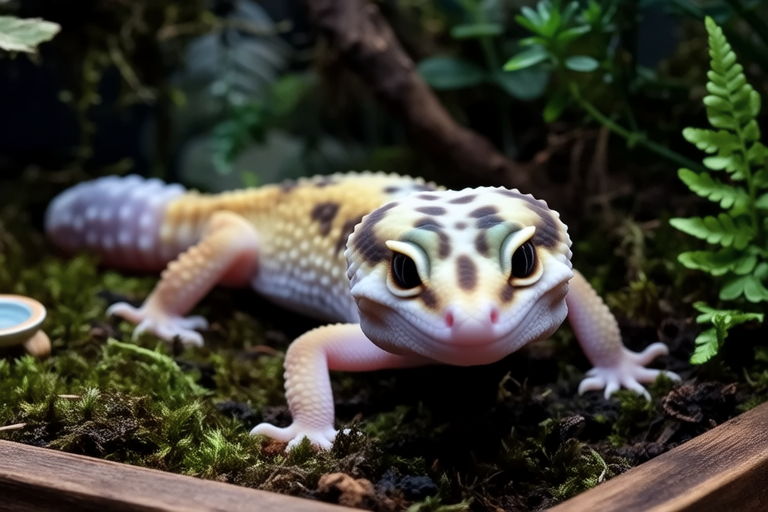
Feeding and Caring for a Healthy Chameleon
Welcome to your comprehensive guide on how to ensure your chameleon leads a healthy and happy life. This guide will cover all essential aspects of chameleon care, including proper diet, hydration techniques, habitat setup, temperature and lighting requirements, handling tips, and common health issues.
Proper Diet
The diet of a chameleon is crucial for its overall health and well-being. Chameleons are insectivores, which means their primary food source is insects. A varied diet can help prevent nutritional deficiencies and ensure your chameleon remains healthy.
Feed your chameleon a mix of gut-loaded insects such as crickets, dubia roaches, and silkworms. Gut-loading refers to feeding the insects a nutritious diet before offering them to your chameleon. This ensures that when your chameleon eats the insects, it receives the maximum nutritional benefit.
In addition to insects, you can offer leafy greens like dandelion leaves, mustard greens, and collard greens. These should be offered in moderation and should not constitute more than 10% of the diet. Always wash these greens thoroughly to remove any pesticides or chemicals.
Vitamin and mineral supplements are also important. Dust the insects with a calcium supplement every other day and a multivitamin once a week. Be careful not to over-supplement, as this can lead to health issues such as metabolic bone disease.
Hydration Techniques
Chameleons require regular hydration to maintain their health. They get most of their water from the dew on leaves in the wild, so it’s essential to recreate this environment in captivity.
The best way to provide water is through misting. Misting the enclosure twice daily with a fine spray bottle can help keep the humidity at an optimal level and provide drinking water for your chameleon. It’s important to allow the enclosure to dry out between mistings to prevent mold growth.
Another option is to install a drip system, where water drips slowly into the enclosure. This not only provides water but also mimics the natural rainforest environment, encouraging your chameleon to drink.
Never leave standing water in the enclosure as chameleons are not adapted to drinking from it, and stagnant water can lead to bacterial growth.
Habitat Setup
A properly set up habitat is key to ensuring your chameleon’s health and happiness. The enclosure should be spacious enough to allow your chameleon to move around comfortably. A minimum size for a single adult chameleon is 24 inches long, 18 inches wide, and 36 inches high.
Provide plenty of branches and vines for climbing. Chameleons spend most of their time off the ground, so vertical space is more important than horizontal space. Ensure the branches are sturdy and securely placed.
Substrate is not necessary for chameleons, as they are arboreal and don’t need to burrow. If you choose to use substrate, opt for a safe option like reptile carpet or paper towels, and clean it regularly to prevent bacterial growth.
Plants are beneficial for creating a naturalistic environment and providing hiding spots. Live plants are preferred as they improve air quality and provide a more stimulating environment. Ensure any plants used are non-toxic to chameleons.
Temperature and Lighting Requirements
Chameleons are ectothermic, meaning they rely on external heat sources to regulate their body temperature. It’s essential to provide a thermal gradient in the enclosure, allowing your chameleon to thermoregulate.
Install a basking spot at one end of the enclosure with a temperature range of 90-100°F (32-38°C). The cooler end of the enclosure should be around 75-80°F (24-27°C). Use a digital thermometer to monitor temperatures accurately.
UVB lighting is critical for chameleons as it helps them synthesize vitamin D3, which is essential for calcium absorption. Choose a UVB bulb specifically designed for reptiles and replace it every six months. Position the light so it reaches the basking spot and ensure your chameleon can bask within 6-12 inches of the bulb.
Ensure the UVB light is on for 10-12 hours per day, replicating natural daylight cycles. Turn off the lights at night to allow your chameleon to rest.
Handling Tips
Chameleons are delicate creatures and do not enjoy being handled frequently. However, if you need to handle your chameleon, follow these guidelines:
- Support: Always support your chameleon’s body when handling. Never grab it by the tail or limbs.
- Slow movements: Move slowly and calmly to avoid startling your chameleon.
- Frequency: Limit handling to once a week, as frequent handling can cause stress.
- Environment: Handle your chameleon in a calm environment free from loud noises or sudden movements.
If your chameleon appears stressed during handling, return it to its enclosure immediately. Signs of stress include rapid color changes, hissing, or attempting to bite.
Common Health Issues
Despite your best efforts, chameleons may still face health issues. Early detection and treatment are crucial for recovery. Here are some common health problems and what to look for:
- Mouth Rot: Characterized by redness, swelling, and discharge around the mouth. Mouth rot is often caused by poor husbandry, such as dirty enclosures or incorrect temperatures.
- Metabolic Bone Disease (MBD): Caused by calcium deficiency or improper calcium-phosphorus ratio. Symptoms include weak bones, tremors, and difficulty moving.
- Respiratory Infections: Can result from cold temperatures or high humidity. Look for signs of labored breathing, nasal discharge, or lethargy.
- Parasites: Internal parasites can cause weight loss, diarrhea, and lethargy. External parasites like mites can be identified by small, moving dots on the chameleon’s skin.
If you suspect your chameleon is sick, consult a veterinarian specializing in reptiles for diagnosis and treatment. Do not attempt to treat the issue yourself without professional guidance.
Conclusion
Caring for a chameleon requires dedication and attention to detail. By following the advice provided in this guide, you can ensure your chameleon enjoys a healthy and fulfilling life. Remember, every chameleon is unique, so observe your pet closely and adjust its care routine accordingly.
With proper diet, hydration, habitat setup, temperature control, and handling practices, you can create an environment that supports your chameleon’s physical and mental well-being. Stay informed about the latest research and best practices in chameleon care, and always seek professional advice when needed.
