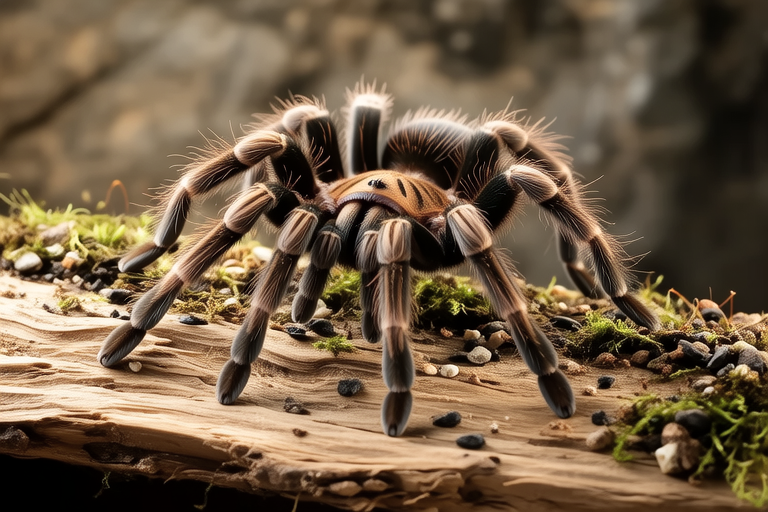
How to Successfully Adopt and Care for Your First Chilean Rose Tarantula
Welcome to the fascinating world of tarantulas! The Chilean Rose Tarantula (Grammostola rosea) is one of the most popular choices for first-time spider enthusiasts due to its docile nature and relatively low maintenance requirements. This article will guide you through everything you need to know about adopting and caring for your first Chilean Rose Tarantula, from setting up the perfect habitat to maintaining its health and well-being.
An Introduction to the Chilean Rose Tarantula
The Chilean Rose Tarantula is native to the deserts and scrublands of South America, particularly in Chile, Argentina, and Brazil. It is named for the pinkish hue that some individuals exhibit when they moult, though not all specimens display this characteristic. These spiders are generally calm and non-aggressive, making them ideal for beginners who want to experience the joy of keeping exotic pets without the stress of handling more temperamental species.
Temperament and Suitability for Beginners
Chilean Rose Tarantulas are known for their docile demeanor, which makes them perfect for those new to tarantula ownership. They rarely bite unless provoked or mishandled, and even then, their venom is considered harmless to humans. Their gentle nature and minimal care requirements make them an excellent choice for first-time tarantula owners.
Setting Up the Perfect Habitat
Tank Size
Adequate space is crucial for your tarantula’s comfort and well-being. For a young Chilean Rose Tarantula, a 5-gallon (19-liter) tank is sufficient. As your spider grows, consider upgrading to a 10-gallon (38-liter) tank. Ensure that the enclosure has a secure lid to prevent escapes.
Substrate
Choosing the right substrate is essential for mimicking the natural environment of your tarantula. A mix of coconut fiber and reptile bark works well, providing both moisture retention and burrowing opportunities. Avoid using materials like sand, as it can cause impaction if ingested.
Temperature and Humidity
Maintaining the correct temperature and humidity levels is vital for your tarantula’s health. The ideal temperature range is between 75°F and 85°F (24°C to 29°C). Use a thermometer to monitor these conditions regularly. Humidity should be kept around 60-70%. A hygrometer can help you keep track of humidity levels.
Hiding Spots
Your tarantula will appreciate having multiple hiding spots within its enclosure. You can use cork bark, half logs, or commercially available shelters. Providing several options allows your tarantula to choose its preferred resting place, reducing stress and promoting a healthy environment.
Maintaining Proper Diet and Feeding Habits
Feeding your Chilean Rose Tarantula a balanced diet is key to its longevity and overall health. Young tarantulas can be fed every 5-7 days, while adults may only require food once every 10-14 days. Appropriate prey includes crickets, mealworms, and small roaches. Dust the prey with calcium powder before feeding to ensure your tarantula gets the necessary nutrients.
Handling Techniques
While Chilean Rose Tarantulas are generally docile, it’s important to handle them carefully to avoid stressing the spider or causing injury. Always support the abdomen when handling your tarantula, as dropping it can lead to serious injuries. Keep interactions brief and infrequent, as excessive handling can cause undue stress.
Common Health Issues to Watch For
Like any pet, Chilean Rose Tarantulas can suffer from various health issues. Signs of illness include reduced activity, refusal to eat, or unusual behavior. Regularly inspect your tarantula for mites or other parasites, which can be introduced through live food. If you notice any signs of distress, consult a veterinarian specializing in exotic animals for advice.
Tips for Creating a Long-Term, Successful Relationship
Building a strong bond with your tarantula takes time and patience. Spend time observing your pet in its natural environment, noting its behaviors and preferences. Over time, you’ll learn to recognize subtle changes in mood or health, allowing you to provide the best possible care. Remember, tarantulas are solitary creatures and do not require social interaction, so focus on creating a safe, comfortable environment rather than trying to interact directly.
In conclusion, adopting and caring for a Chilean Rose Tarantula can be a rewarding experience for both novice and experienced pet owners alike. By following the guidelines outlined in this article, you can ensure that your tarantula thrives in its new home, providing years of enjoyment and companionship. Happy tarantula-keeping!
