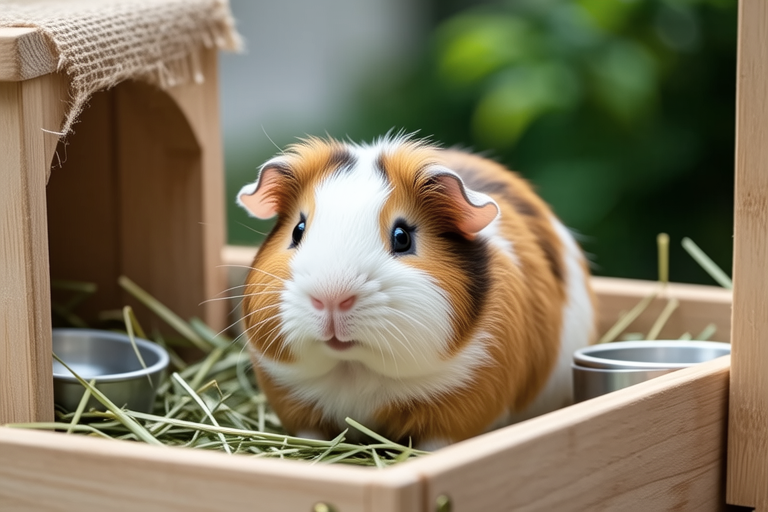
DIY Projects: Creating the Perfect Habitat for Your Guinea Pig
Welcome to your ultimate guide on creating the perfect habitat for your guinea pig. A well-designed habitat is crucial for their health and happiness. Proper care starts with a safe, comfortable living space that allows your pet to thrive. This article will walk you through everything from choosing the right cage size and material to adding personal touches like tunnels and shelves.
The Importance of a Well-Designed Habitat
A guinea pig’s habitat plays a vital role in their overall well-being. It provides protection, comfort, and stimulation, which are essential for their physical and mental health. A poorly designed habitat can lead to stress, anxiety, and even health problems. Therefore, it is important to understand the basic needs of your guinea pig and design a habitat that meets those requirements.
Choosing the Right Cage Size and Material
The first step in creating a perfect habitat is selecting the right cage. Guinea pigs need ample space to move around and exercise. A general rule of thumb is to provide at least 7.5 square feet of space per guinea pig. This allows them to run, play, and stretch out comfortably. The cage should be large enough to accommodate food dishes, water bottles, and other accessories without overcrowding the space.
When it comes to materials, wire cages are popular choices because they offer good ventilation and easy cleaning. However, they may not be ideal for all guinea pigs. Some guinea pigs have sensitive feet that can get hurt by the wire flooring. In this case, consider using solid-bottom cages or adding soft bedding to protect their paws. Plastic cages are another option, but they require more frequent cleaning due to their porous nature. Ultimately, the choice depends on your guinea pig’s specific needs and preferences.
Essential Bedding Options
Bedding is an essential component of any guinea pig habitat. It provides cushioning, absorbs moisture, and helps control odors. When choosing bedding, look for materials that are absorbent, dust-free, and non-toxic. Avoid cedar and pine shavings, as they can irritate your guinea pig’s respiratory system. Instead, opt for alternatives like paper-based bedding, fleece, or straw.
Paper-based bedding is a great choice because it is highly absorbent and easy to clean. Fleece is another excellent option for those who want a more eco-friendly alternative. It is washable and reusable, making it a cost-effective solution in the long run. Straw is also suitable for guinea pigs, but make sure it is free of mold and dust. Always provide a thick layer of bedding to ensure your guinea pig stays comfortable and warm.
Proper Ventilation
Good ventilation is crucial for maintaining a healthy environment inside the cage. Poor air circulation can lead to respiratory issues and unpleasant odors. To ensure proper ventilation, choose a cage with adequate airflow. Wire cages are naturally ventilated, but if you opt for a solid-bottom cage, consider adding mesh panels to improve airflow.
In addition to the cage itself, you can enhance ventilation by positioning the cage away from direct sunlight and heat sources. Place it in a cool, shaded area where fresh air can circulate freely. Regularly check the cage for signs of poor ventilation, such as condensation or a musty smell. If necessary, open windows or use fans to increase airflow.
Hiding Spots
Guinea pigs are social animals, but they also need quiet spaces to retreat when they feel overwhelmed. Providing hiding spots within the habitat is essential for their emotional well-being. These spaces give them a sense of security and help reduce stress. You can create hiding spots using cardboard boxes, plastic igloos, or tunnels.
To build a simple cardboard box hideout, start by cutting a small entrance hole in one side of the box. Then, line the interior with soft bedding to make it cozy and inviting. For a more durable option, consider purchasing plastic igloos or tunnels specifically designed for small pets. These items come in various sizes and colors, allowing you to customize the habitat according to your guinea pig’s preferences.
DIY Ideas for Customizing the Habitat
Creating a personalized habitat for your guinea pig can be both fun and rewarding. There are many ways to add unique features that enhance their living space while providing mental stimulation. One popular DIY project is building tunnels. Tunnels encourage exploration and exercise, helping to keep your guinea pig active and entertained.
To build a tunnel, start by cutting a piece of PVC pipe or flexible tubing to the desired length. Then, secure it to the sides of the cage using brackets or clips. Alternatively, you can create tunnels using cardboard tubes or fabric. Simply cut the tubes to size and attach them to the cage using duct tape or velcro straps. For a softer option, sew fabric tubes together and stuff them with batting or fleece. These homemade tunnels are not only functional but also visually appealing, adding a touch of creativity to the habitat.
Another idea is to install shelves within the cage. Shelves provide elevated areas for your guinea pig to explore and rest. They can be made from wood, metal, or plastic, depending on your preference. Start by measuring the inside dimensions of the cage and cutting the shelf pieces to fit. Attach the shelves securely using screws or brackets, ensuring they are stable and safe for your guinea pig to use. Consider adding ramps or ladders to help your guinea pig access the higher levels comfortably.
Importance of a Balanced Diet and Fresh Water Availability
While a well-designed habitat is crucial, it is equally important to provide a balanced diet and fresh water. Guinea pigs require a variety of nutrients to maintain optimal health. Their diet should consist of high-quality hay, fresh vegetables, and a limited amount of pellets. Hay is particularly important as it aids digestion and keeps teeth healthy. Offer a constant supply of fresh hay throughout the day.
Fresh water is also essential for your guinea pig’s well-being. Make sure to provide a clean water bottle or bowl filled with fresh water daily. Check the water source regularly to ensure it is functioning properly and free of debris. Additionally, introduce a variety of fresh vegetables to your guinea pig’s diet. Dark leafy greens like kale, spinach, and parsley are excellent choices. Avoid feeding too much fruit, as it contains sugar and can lead to weight gain.
Maintaining Hygiene and Ensuring Safety
Keeping the habitat clean is vital for preventing illness and promoting a healthy living environment. Regular cleaning helps remove waste, reduce odors, and minimize the risk of infections. Aim to clean the cage at least once a week, removing soiled bedding and replacing it with fresh material. Spot clean daily to maintain hygiene between full cleanings.
Safety is another critical aspect of maintaining a healthy habitat. Remove any sharp objects or small parts that could cause injury. Ensure all accessories are securely fastened and free from loose wires or edges. Supervise your guinea pig during playtime to prevent accidents and intervene if they become overly aggressive or stressed.
By following these guidelines, you can create a safe, comfortable, and stimulating habitat for your guinea pig. Remember, the key to a happy pet is a well-designed living space that meets their physical and emotional needs. With a little effort and creativity, you can turn your guinea pig’s habitat into a personalized sanctuary where they can thrive.
