How the Turkish Angora Became an Iconic Breed Worldwide
The Turkish Angora is more than just a cat; it is a living piece of history, a symbol of elegance, and a beloved pet in homes across the globe. Originating from the Ankara region in central Turkey, this breed has a rich history that dates back thousands of years. Known for their striking white coats, blue eyes, and graceful demeanor, Turkish Angoras have captivated people for centuries. This article delves into the fascinating journey of how this breed became an iconic figure worldwide.
Origins in Ancient Turkey
The Turkish Angora can trace its roots back to the ancient regions of Anatolia, where it thrived in the wild before being domesticated. These cats were highly valued for their beauty and hunting prowess, making them a vital part of local communities. Historical records suggest that they were often seen near temples and palaces, where they were cherished for their ability to keep vermin at bay. The breed’s name, “Angora,” comes from the former name of Ankara, the capital city of Turkey, which was known for its production of fine wool from Angora rabbits and goats.
Throughout history, Turkish Angoras were not only admired for their physical attributes but also for their agility and intelligence. They were often kept by shepherds and farmers who appreciated their companionship and practicality. Their presence in ancient Turkey is further highlighted by their depiction in various forms of art, including pottery and tapestries, which have been discovered in archaeological sites.
Distinct Appearance and Historical Significance
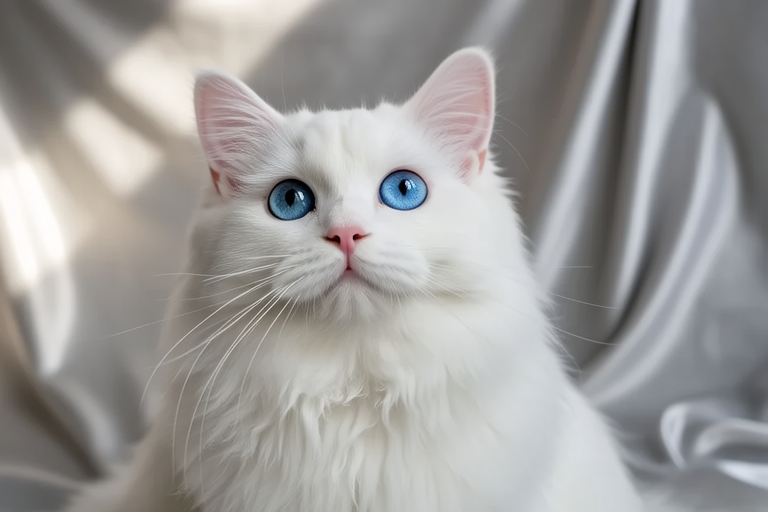
Turkish Angoras are renowned for their long, silky coats that shimmer like silver under the light. The most common color is white, though other colors such as black, red, and tabby are also recognized. Their coats are semi-longhaired, meaning they require minimal grooming compared to fully longhaired breeds. The texture of their fur is soft and silky, giving them a luxurious appearance that has earned them the nickname “living jewels.”
Their large, expressive blue eyes add to their ethereal charm. However, it is worth noting that while blue eyes are characteristic of the breed, they can also have one blue eye and one green or amber eye, a condition known as heterochromia. This unique feature further adds to their allure and makes each individual Turkish Angora truly one-of-a-kind.
Historically, Turkish Angoras were closely associated with royalty and luxury. They were often presented as gifts to foreign dignitaries and were considered a symbol of wealth and prestige. In the Ottoman Empire, these cats were kept in royal harems and were treated with utmost care and affection. Their presence in such high-profile settings elevated their status and contributed to their reputation as noble companions.
Introduction Outside of Turkey
The Turkish Angora’s journey beyond its homeland began in the early 20th century when they were first introduced to Europe and North America. The breed gained significant attention during the 1930s when American and British cat fanciers took an interest in their unique qualities. The first Turkish Angoras to arrive in the United States were brought by diplomats and travelers returning from Turkey. These early imports laid the foundation for the breed’s growing popularity in the West.
A pivotal moment in the breed’s international recognition came in 1962 when the Cat Fanciers’ Association (CFA) officially recognized the Turkish Angora as a distinct breed. This recognition marked the beginning of formal breeding programs in the United States and set the stage for the breed’s widespread acceptance in cat shows and competitions. Over the years, dedicated breeders worked tirelessly to preserve the Turkish Angora’s distinctive traits while ensuring genetic diversity.
One notable figure in the breed’s global expansion was Dr. Ilona Vermes, a Hungarian veterinarian who played a crucial role in establishing the breed’s presence in Europe. Her efforts in promoting the Turkish Angora through breeding and exhibition helped solidify the breed’s reputation as a regal and elegant companion. Vermes’ work laid the groundwork for future generations of breeders and enthusiasts to appreciate the breed’s unique qualities.
Key Characteristics and Desirability
Aside from their stunning appearance, Turkish Angoras are highly sought after for their exceptional intelligence and playful nature. They are known for their curious and active personalities, always eager to explore their surroundings and engage in interactive play. Their intelligence allows them to learn tricks and commands quickly, making them excellent companions for owners who enjoy mental stimulation.
Despite their playful demeanor, Turkish Angoras are generally calm and adaptable, which makes them well-suited for a variety of living environments. They are known to form strong bonds with their human families and are often affectionate, though they can be somewhat reserved around strangers. Their gentle and affectionate nature, combined with their striking appearance, has made them popular choices for households seeking a loving yet independent pet.
In addition to their personality traits, Turkish Angoras are relatively healthy cats with few breed-specific health issues. They have a lifespan of around 12 to 15 years, which is comparable to many other purebred cat breeds. Their robust health, combined with their low-maintenance grooming needs, contributes to their desirability as pets.
Enduring Popularity and Status Today
Today, the Turkish Angora continues to enjoy immense popularity among cat enthusiasts worldwide. Their timeless elegance and unique qualities have ensured their place in the hearts of many. They remain a favorite in cat shows and exhibitions, where their striking appearance and graceful movements are showcased to great acclaim.
The breed’s enduring appeal can be attributed to a combination of factors, including their historical significance, distinctive appearance, and engaging personalities. As more people discover the charm and allure of the Turkish Angora, the breed’s popularity is expected to continue growing. For those who appreciate the blend of history, beauty, and companionship, the Turkish Angora remains an ideal choice.
In conclusion, the Turkish Angora’s journey from the streets of ancient Turkey to the living rooms of cat lovers around the world is a testament to their enduring appeal. Their striking appearance, intelligence, and playful nature have made them a beloved breed that continues to capture hearts and imaginations. As they stand proudly beside their human companions, these cats remind us of the timeless bond between humans and animals.
