Top 10 Myths Debunked: Red-eared Slider Care Secrets Revealed
Introduction to Red-eared Sliders and Their Popularity
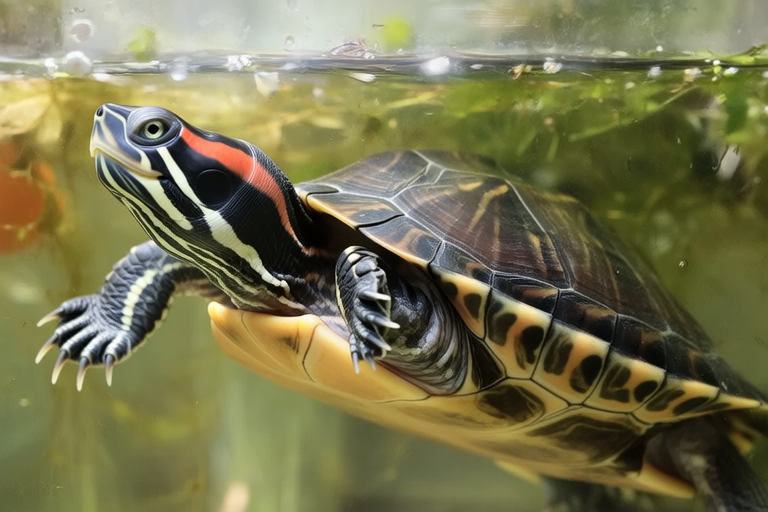
Red-eared sliders (Trachemys scripta elegans) are one of the most popular pet turtles worldwide. Their striking appearance, characterized by their bright green shells and red stripes behind their eyes, makes them attractive to many. However, their widespread popularity often leads to misconceptions about their care requirements. This article aims to debunk ten common myths surrounding red-eared slider care and provide accurate information to ensure these reptiles thrive in captivity.
Myth 1: Red-eared Sliders Don’t Require Much Space
One of the most pervasive myths about red-eared sliders is that they don’t need much space. Many believe that a small aquarium or a shallow pond will suffice for these aquatic creatures. In reality, red-eared sliders require ample space to swim and bask. A minimum of 10 gallons of water per inch of shell length is recommended for juveniles, increasing to at least 40 gallons for adults. Insufficient space can lead to stress, stunted growth, and respiratory infections.
Myth 2: They Can Live on a Diet of Feeder Fish Alone
Another misconception is that red-eared sliders can survive solely on a diet of feeder fish. While fish can be part of their diet, it should not constitute the entirety of their meals. A balanced diet includes commercial turtle pellets, vegetables like romaine lettuce and dandelion greens, and occasional protein sources such as crickets or earthworms. An imbalanced diet can result in nutritional deficiencies and metabolic bone disease.
Myth 3: Aquatic Plants Are Not Necessary for Their Habitat
Some owners believe that aquatic plants are unnecessary for red-eared sliders’ habitats. However, these plants serve multiple purposes. They provide hiding spots, reduce algae growth, and offer enrichment through nibbling. Without sufficient plant cover, turtles may feel stressed, leading to behavioral issues and poor health.
Myth 4: UVB Lighting Is Optional for Their Health
The importance of UVB lighting is often overlooked. UVB light is essential for vitamin D3 synthesis, which aids in calcium absorption and prevents metabolic bone disease. Without adequate exposure to UVB light, red-eared sliders can develop deformities and weakened bones. It’s crucial to use a high-quality UVB lamp and ensure it covers the entire basking area.
Myth 5: Red-eared Sliders Hibernate Naturally in Any Environment
Many people assume that red-eared sliders will naturally hibernate in any environment, especially during colder months. However, this is only true in their natural habitat. In captivity, where temperature control is necessary, hibernation can be dangerous and potentially fatal. Owners should maintain consistent temperatures year-round to avoid stressing the turtles.
Myth 6: They Can Be Housed with Other Turtle Species
It’s commonly thought that red-eared sliders can coexist peacefully with other turtle species. However, housing different species together can lead to aggressive behavior, competition for resources, and stress. Each species has unique needs, and mixing them can compromise their well-being. It’s best to keep red-eared sliders isolated to ensure optimal care.
Myth 7: Regular Handling Is Good for Their Socialization
While some believe regular handling helps red-eared sliders become more social, frequent human interaction can actually cause stress and anxiety. Turtles have sensitive skin and can absorb toxins from human oils and lotions. Limiting handling to necessary tasks like cleaning or medical check-ups is advisable to prevent stress-related illnesses.
Myth 8: Tap Water Is Safe for Their Tank
Tap water is not suitable for red-eared slider tanks due to its chlorine and chloramine content. These chemicals can irritate the turtles’ respiratory systems and eyes. Using dechlorinated water or a water conditioner specifically designed for reptiles ensures a safe and healthy living environment.
Myth 9: Red-eared Sliders Don’t Need a Basking Area
Contrary to popular belief, red-eared sliders require a basking area to thermoregulate and dry off. A proper basking spot should include a heat lamp that provides a warm, dry area away from the water. Without this essential feature, turtles may experience cold stress, leading to various health issues.
Myth 10: They Are Low-Maintenance Pets
Red-eared sliders are frequently described as low-maintenance pets, but this couldn’t be further from the truth. Proper care involves maintaining clean water, providing a balanced diet, ensuring adequate lighting, and monitoring their overall health. Neglecting these requirements can lead to severe health problems and a shortened lifespan.
Tips for Responsible Ownership and Resources for Further Learning
To ensure the well-being of your red-eared slider, follow these tips for responsible ownership:
- Provide an appropriately sized tank with ample swimming space.
- Offer a varied and nutritious diet.
- Include aquatic plants for enrichment and hiding spots.
- Install UVB lighting for vitamin D3 synthesis.
- Avoid hibernation unless in a controlled environment.
- Housing them separately from other species.
- Limited handling to reduce stress.
- Use dechlorinated water for their tank.
- Include a basking area for thermoregulation.
- Commit to regular maintenance and veterinary check-ups.
For further learning, consider joining local reptile clubs, subscribing to reputable reptile magazines, and consulting with experienced herpetologists. These resources can provide valuable insights and support for responsible pet ownership.
