The Ultimate Guide to Keeping a Happy and Healthy Chilean Rose Tarantula at Home
Welcome to your comprehensive guide on how to keep a happy and healthy Chilean Rose Tarantula at home. This guide will cover everything from setting up the perfect habitat to understanding the unique behaviors and care needs of these fascinating creatures.
Introduction to Chilean Rose Tarantulas
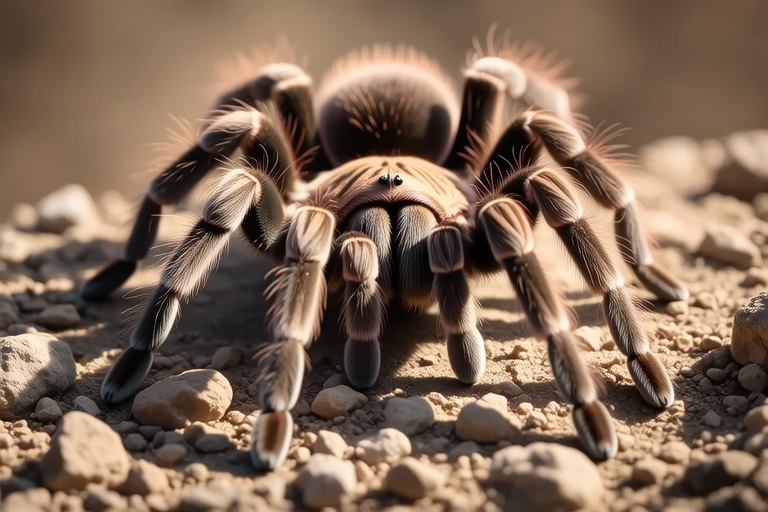
The Chilean Rose Tarantula (Grammostola rosea) is one of the most popular pet tarantulas due to its docile nature and manageable size. Originating from the deserts and scrublands of Chile, Argentina, and Bolivia, these spiders are known for their pinkish hue when young, which fades as they mature. They are relatively easy to care for, making them a great choice for beginners and experienced arachnid enthusiasts alike.
Ideal Habitat Setup
Creating the right environment is crucial for the well-being of your Chilean Rose Tarantula. Here’s what you need to know:
- Terrarium Size: A terrarium measuring 10 gallons or larger is recommended for a single adult tarantula. This provides ample space for climbing and burrowing.
- Substrate: Use a substrate that allows for burrowing, such as coconut fiber, peat moss, or a mixture of potting soil and vermiculite. The substrate should be at least 3 inches deep to accommodate natural burrowing behavior.
- Hiding Spots: Provide hiding spots like cork bark or small caves to mimic their natural environment and offer security.
- Climbing Structures: Add branches, sticks, or artificial plants to allow your tarantula to climb and explore.
- Cleaning: Regularly clean the terrarium to remove waste and prevent bacterial growth.
Temperature and Humidity Requirements
Maintaining the correct temperature and humidity levels is vital for your tarantula’s health. Here are the optimal conditions:
- Temperature: Keep the terrarium between 75°F and 85°F during the day, with a slight drop at night. Use a thermometer to monitor these levels accurately.
- Humidity: Maintain humidity between 40% and 60%. Use a hygrometer to measure humidity and adjust it by misting the enclosure or adding a water dish.
Appropriate Diet and Feeding Schedules
Your Chilean Rose Tarantula requires a balanced diet to thrive. Feed them appropriately sized insects, such as crickets, mealworms, and dubia roaches. Offer prey items every 5-7 days, adjusting the frequency based on your tarantula’s appetite and activity level. Dust feeder insects with calcium and vitamin supplements to ensure proper nutrition.
Handling and Interaction Guidelines
While Chilean Rose Tarantulas are generally docile, they can still react defensively if provoked. Follow these guidelines to handle your tarantula safely:
- Gentle Handling: Always support the tarantula’s body when handling. Avoid grabbing or pinching.
- Frequency: Handle your tarantula sparingly to minimize stress. Allow it time to acclimate to its new home before frequent handling.
- Observation: Watch for signs of stress, such as leg waving or rearing, which indicate it’s uncomfortable.
Common Health Issues and Prevention
Like any pet, tarantulas can face health issues. Here are some common problems and how to prevent them:
- Mites: Inspect your tarantula regularly for mites. Clean the enclosure thoroughly and quarantine the tarantula if mites are detected.
- Regurgitation: If your tarantula regurgitates its meal, it may be overfed or stressed. Reduce feeding frequency and provide a more stable environment.
- Leg Loss: While tarantulas can regenerate lost legs, excessive leg loss may indicate poor husbandry. Ensure proper environmental conditions and avoid rough handling.
Tips for Creating a Stimulating Environment
To keep your Chilean Rose Tarantula engaged and healthy, consider the following tips:
- Environmental Enrichment: Introduce new objects periodically to stimulate curiosity and exploration.
- Social Interaction: While tarantulas are solitary animals, regular interaction with their owner can reduce stress and promote bonding.
- Lighting: Provide a consistent light cycle to maintain circadian rhythms.
Understanding Unique Behaviors
Chilean Rose Tarantulas exhibit various behaviors that reflect their natural instincts:
- Burrowing: These tarantulas naturally burrow underground to hide from predators and regulate their environment. Provide a substrate that supports this behavior.
- Leg Waving: Tarantulas wave their front legs to detect vibrations and communicate with other tarantulas.
- Camouflage: In the wild, they blend into their surroundings to ambush prey. Mimic this in captivity by offering hiding spots.
Conclusion
By following the guidelines outlined in this ultimate guide, you can ensure that your Chilean Rose Tarantula thrives in its new home. Remember that each tarantula is unique, so pay close attention to your pet’s specific needs and preferences. With proper care and attention, you’ll enjoy a rewarding relationship with your new arachnid companion.
