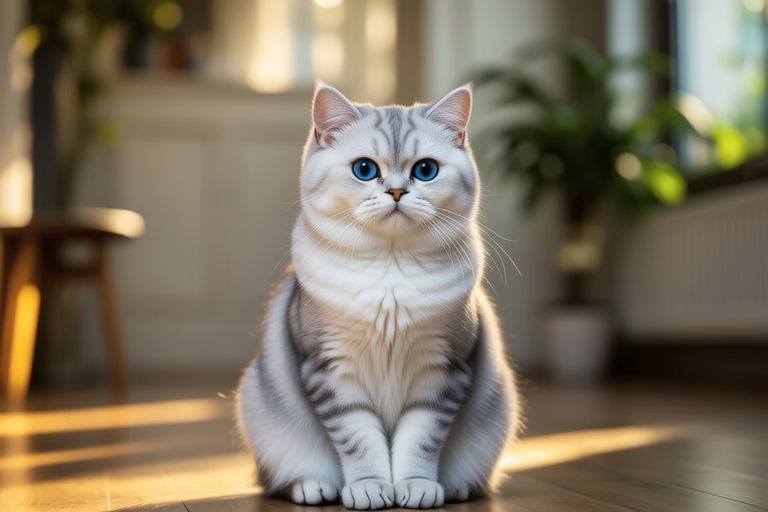
The Golden Glow: Caring for Your British Shorthair Cat
Welcome to the world of British Shorthair cats, one of the most beloved and recognizable breeds globally. Known for their robust bodies, plush coats, and serene demeanor, these cats have captured the hearts of many. This guide will walk you through the essentials of caring for your British Shorthair, ensuring they remain healthy, happy, and full of that golden glow.
Understanding the British Shorthair
British Shorthairs are known for their distinctive round faces, large eyes, and plush, dense coats. Their calm and gentle nature makes them excellent family pets. They are affectionate but not overly demanding, preferring quiet companionship over constant play. Their intelligence and adaptability make them suitable for various living environments, from bustling households to quieter spaces.
Dietary Needs
Feeding your British Shorthair a balanced diet is crucial for their overall health. These cats require high-quality protein, which can be sourced from meat, fish, or poultry. Look for cat food that lists a named meat source as its first ingredient, such as chicken, turkey, or salmon. Avoid foods containing artificial preservatives, colors, and flavors.
Ensure your cat has access to fresh water at all times. Some British Shorthairs may prefer water from a moving source, like a pet fountain, as it mimics natural water sources.
Consult with your veterinarian about appropriate portion sizes and feeding schedules. Overfeeding can lead to obesity, a common issue among this breed due to their slow metabolism. Obesity can increase the risk of diabetes, arthritis, and other health problems.
Grooming Essentials
British Shorthairs have short, dense coats that require regular grooming to keep them shiny and free from mats. Brush them weekly with a soft-bristled brush to remove loose hair and distribute natural oils throughout the coat. This helps prevent hairballs and keeps the skin healthy.
Bathing is generally unnecessary unless your cat gets particularly dirty or develops a skin condition. Use a cat-specific shampoo and ensure the water temperature is warm but not hot. Gently rinse all soap out to avoid irritation.
Trimming nails regularly is important for your cat’s comfort and to prevent scratching damage to furniture. You can do this yourself with nail clippers designed for cats, or take them to a professional groomer. Be careful not to cut the quick, which contains blood vessels and nerves.
Health Considerations
Regular veterinary check-ups are essential for maintaining your British Shorthair’s health. Vaccinations and parasite control should be up-to-date. Common health issues include:
- Obesity: As mentioned, British Shorthairs are prone to weight gain. Monitor their weight and adjust their diet and activity levels accordingly.
- Hypertrophic Cardiomyopathy (HCM): This heart condition can affect British Shorthairs. Early detection through regular vet visits can improve management.
- Polycystic Kidney Disease (PKD): This genetic disorder affects kidney function. Genetic testing can identify carriers and help prevent breeding affected cats.
Signs of illness to watch for include changes in appetite, behavior, or litter box habits. If you notice any concerning symptoms, consult your veterinarian promptly.
Exercise and Playtime
Despite their calm nature, British Shorthairs still need physical and mental stimulation to stay healthy. Provide interactive toys like puzzle feeders, laser pointers, and feather wands. Rotate toys periodically to maintain interest.
Play sessions should be short but frequent, ideally several times a day. Encourage climbing and jumping by providing sturdy cat trees and shelves. This helps them burn energy and stay agile.
Consider introducing your cat to a harness and leash if they enjoy outdoor activities. Always supervise them when outside, and never let them roam freely without supervision.
Temperament and Interaction
British Shorthairs are known for their laid-back, friendly personalities. They enjoy the company of their humans but are equally content spending time alone. They are generally good with children and other pets, though introductions should always be supervised.
These cats appreciate routine and predictability. Establish a consistent daily schedule for feeding, playtime, and grooming. They thrive on positive reinforcement and gentle handling. Patience and consistency are key when training or addressing behavioral issues.
British Shorthairs love to cuddle and are often found lounging on laps or in cozy spots around the house. They are not overly vocal but will communicate with soft meows when they need attention or want to share something.
Creating a Comfortable Environment
A safe, comfortable environment is vital for your British Shorthair’s well-being. Provide multiple scratching posts to satisfy their instinctual need to scratch. Choose vertical scratchers made from sisal rope or corrugated cardboard for durability.
Offer a variety of resting spots, both elevated and ground-level. Cats enjoy observing their surroundings from high vantage points. Consider installing window perches or catwalks.
Ensure your home is secure against potential hazards. Keep toxic plants, cleaning supplies, and medications out of reach. Secure windows with screens or window guards to prevent falls.
Training and Socialization
Early socialization is crucial for developing a well-adjusted British Shorthair. Expose them to different people, animals, and environments during their kittenhood. This helps them become more confident and adaptable.
Basic training can enhance communication and strengthen the bond between you and your cat. Teach simple commands like ‘come,’ ‘sit,’ and ‘stay’ using treats and praise. Clicker training can also be effective for shaping desired behaviors.
Be patient and consistent in your approach. Positive reinforcement works best, so reward good behavior and ignore bad behavior. Never resort to punishment, as it can lead to fear and aggression.
Conclusion
Caring for a British Shorthair cat is a rewarding experience that brings joy and companionship into your life. By understanding their dietary needs, grooming requirements, health considerations, and temperament, you can ensure they live a long, healthy, and happy life. With proper care and attention, your British Shorthair will continue to radiate that golden glow, bringing warmth and affection to your home.
